
Quick answer: bim execution plan
Review focus: bim execution plan.
Most coordination failures on movable wall projects do not begin in the factory. They begin in the BIM execution plan, where nobody has clearly named the BIM execution plan partition track zone model author. When that responsibility is vague, the overhead route, support interface and stacking zone can fall between disciplines. This article explains how to write clauses that assign authorship, define review duties, and keep the track zone visible in the federated model without inventing performance or engineering outcomes.
Why the Track Zone Is a Coordination Problem, Not a Detail
Project review term: bim execution plan.
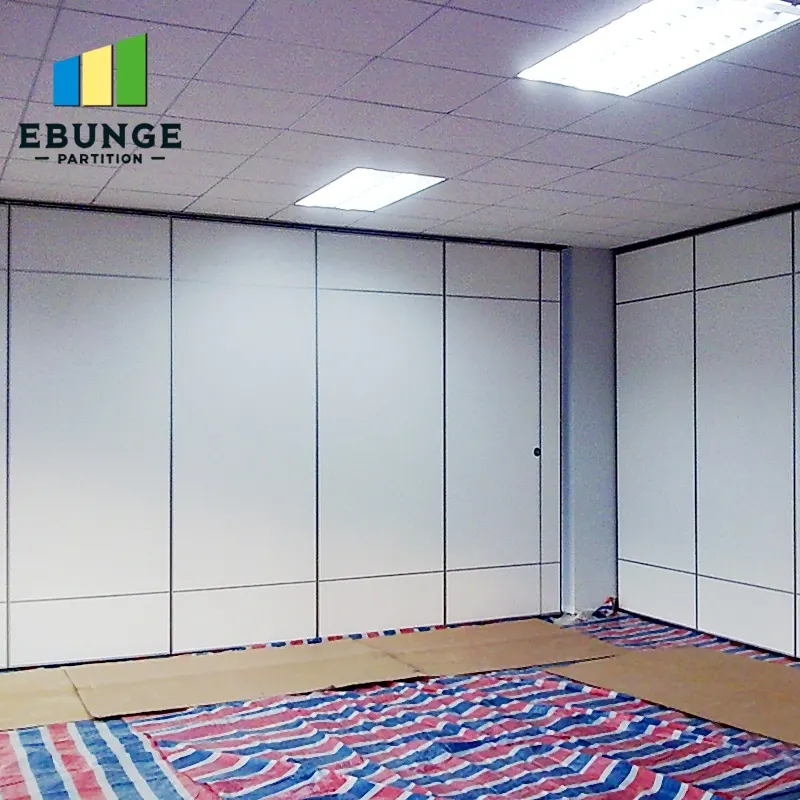
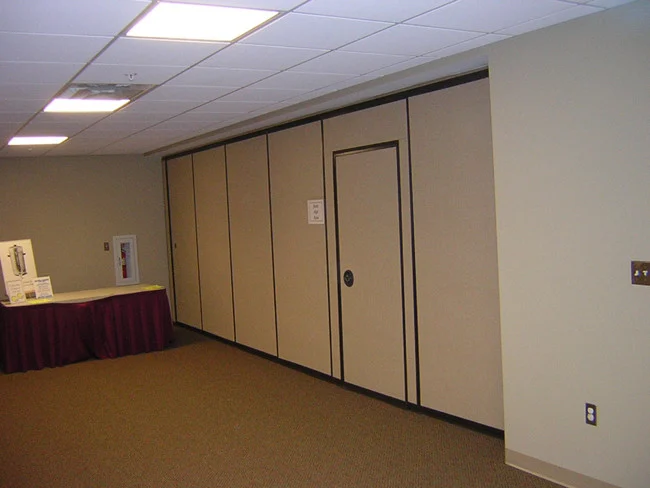
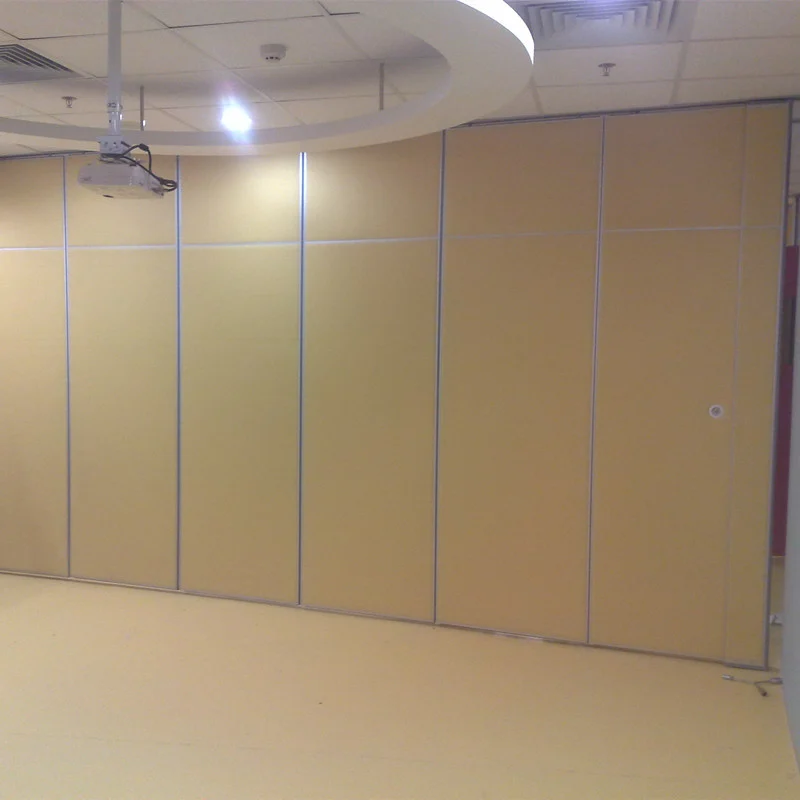
EBUNGE movable partition panels are individually movable, suspended from a top track, and cross the opening without a floor track. They park at a planned stacking position. That operating concept means the overhead route is continuous and connected along the reviewed path. Straight, turning and stacking routes are reviewed from the layout.
The track zone therefore touches structure, ceiling, finishes and door openings. If the model author is unnamed, each discipline may assume another party has modeled the zone. The result is often a gap in the federated model rather than a clash. A gap is harder to detect than a clash because no software rule flags an absent element.
Clause 1: Name the Model Author and the Model Boundary
A useful clause does more than state that the track zone will be modeled. It names the authoring party, the model container, and the boundary of that author’s responsibility. The suitability of each route and parking arrangement depends on the approved layout, circulation, ceiling interfaces and operating sequence.
Information to record in the clause
- Authoring organization and discipline role.
- Model file or container where the track zone geometry will live.
- Review and sign-off route before coordination freezing.
- Reference to the project-specific layout that defines straight, turning and stacking routes.
This list is a drafting aid, not a substitute for project-specific requirements. Confirm support, acoustic and dimensional requirements with the responsible parties before the clause is issued.
Clause 2: Define the Geometry Level of Detail
Level of detail clauses often fail because they describe a number without describing the information needed for coordination. For a top-hung movable partition, the track zone model should communicate the overhead route and its relationship to surrounding construction.
A practical approach is to separate visible coordination geometry from analysis information. The model author can show the route and the parking position. The acoustic specialist confirms the project-specific acoustic strategy. The partition supplier reviews the layout against maintained product facts.
Clause 3: Assign Clash and Clearance Review Duties
Clash detection is only useful when someone owns the review. The clause should state who runs the federated review, how often, and which interfaces are mandatory.
Decision checklist for review ownership
- Who runs the federated model review and records issues?
- Who confirms that the overhead route is continuous and connected?
- Who checks that the stacking position does not conflict with other services?
- Who confirms that pass-door requirements are coordinated with the layout?
- Who signs off before the coordination model is frozen?
These questions do not replace project-specific engineering review. They simply make ownership visible before installation planning begins.
Clause 4: Coordinate Finishes, Openings and Pass Doors
Finish selections affect coordination because they influence panel edges, visible interfaces and surrounding construction. Confirmed finish options include laminate, melamine, fabric, leather, glass and other approved surfaces. The BIM execution plan should state where finish information is recorded and who confirms it.
Pass-door requirements and project documentation can be discussed with the supplier. The clause should identify who models the opening, who confirms the swing or clearance zone, and how the opening relates to the track route.
Clause 5: Set the Information Exchange and Review Cycle
Coordination depends on a predictable exchange cycle. The clause should define model exchange formats, review dates and the status of information at each stage. It should also state how changes to the layout are communicated to the partition supplier and the model author.
| Coordination stage | Primary question | Typical owner |
|---|---|---|
| Concept layout | Where are the straight, turning and stacking routes? | Architect or interior designer |
| Track zone modeling | Who authors the overhead route geometry? | Named model author |
| Interface review | Does the route conflict with structure or services? | BIM coordinator |
| Support confirmation | Is the supporting construction suitable? | Structural engineer |
| Supplier review | Does the layout match maintained product facts? | Partition supplier |
The table is a coordination aid. It does not assign legal responsibility or replace contract terms.
Clause 6: Record Evidence Limits and Open Items
A strong BIM execution plan records what is known and what still requires confirmation. For movable partitions, open items may include support verification, acoustic strategy, dimensional tolerances and finish approval. The clause should state who closes each item and when.
Evidence note: A model element shows intended coordination geometry. It does not prove structural capacity, acoustic performance, fire performance or installation feasibility unless matching project-specific evidence is provided.
This boundary protects all parties. It prevents a coordination model from being read as a performance guarantee. It also keeps the review focused on the decisions that still need to be made.
How to Review the Clauses Before Issuing the Plan
Before the BIM execution plan is issued, the project team should walk through the track zone clauses with the named author, the BIM coordinator and the partition supplier. The review should confirm that the author is named, the model boundary is clear, and the review cycle is realistic.
It is also useful to confirm that the layout shows the straight, turning and stacking routes. If the layout changes, the clause should state how the model author is notified and how the change is recorded.
For product context, see the movable walls page. For broader planning material, see the resources page. Project-specific support, acoustic and dimensional requirements should be confirmed with the responsible parties.
Frequently Asked Questions
Who should be named as the partition track zone model author?
The clause should name a specific organization and discipline role. The right party depends on the project delivery model. What matters is that the author is named, the model container is identified, and the review route is clear.
Does the track zone model need to show structural support?
Provide the current layout, opening dimensions, ceiling information, intended room use, and relevant project drawings for review. The exact overhead route and support arrangement must be confirmed by the responsible project team from coordinated drawings.
How should straight, turning and stacking routes be coordinated?
These routes are reviewed from the layout. The model author should coordinate the overhead route with the surrounding construction and confirm that the route is continuous and connected along the reviewed path.
Can the BIM execution plan specify acoustic performance?
Project-specific acoustic requirements should be confirmed with the responsible specialist and matched to maintained product evidence.
What finish information belongs in the coordination model?
Confirmed finish options include laminate, melamine, fabric, leather, glass and other approved surfaces. The plan should state where finish selections are recorded and who confirms them.
When should the partition supplier review the model?
The supplier should review the layout against maintained product facts before the coordination model is frozen. Pass-door requirements and project documentation can be discussed as part of that review.
Conclusion and Next Step
The clauses that decide who models the partition track zone are not administrative detail. They determine whether the overhead route, support interface and stacking position are visible to the whole team. Name the author, define the boundary, assign review duties, and record open items. Then confirm project-specific support, acoustic and dimensional requirements before construction planning proceeds.
To discuss your layout, pass-door requirements or project documentation, contact EBUNGE and share the drawings your team is working from.