
Quick answer: ceiling void reservation zoning handover track fixing
Review focus: zoning handover track fixing.
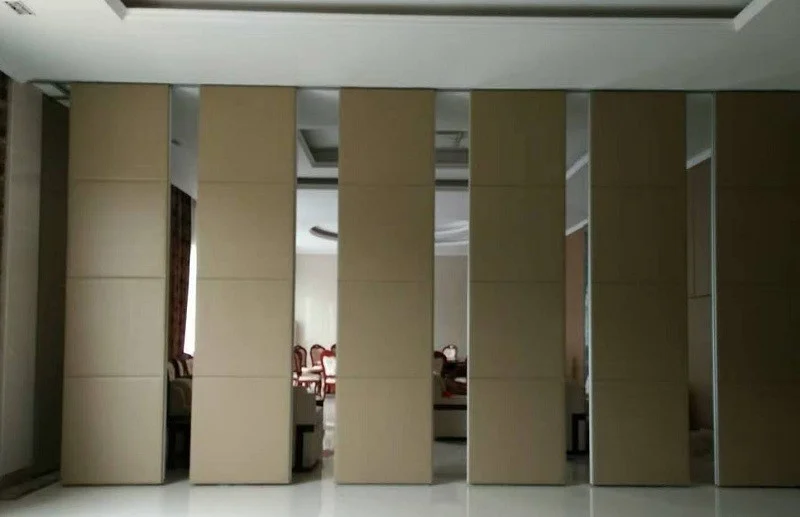
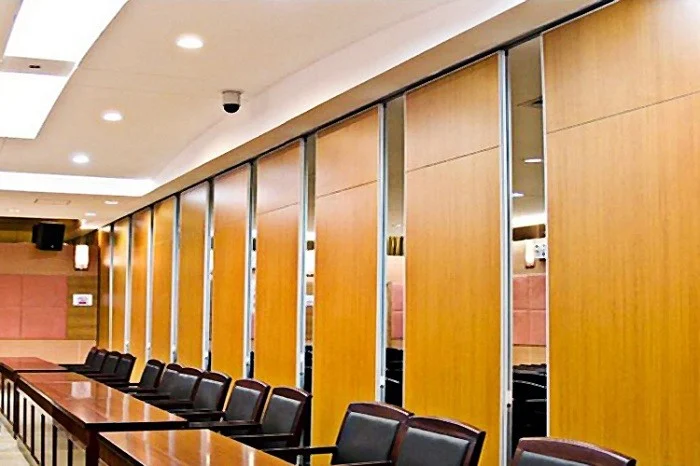
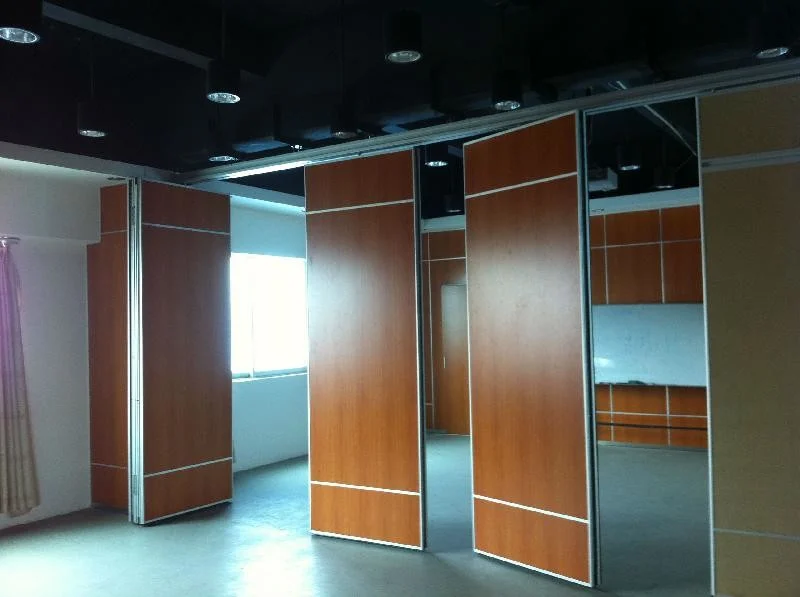
Ceiling void reservation zoning handover track fixing is the point where architecture, structure, and services stop being separate drawings and become one buildable overhead condition. For top-hung movable partitions, the panels are individually movable, suspended from a top track, cross the opening without a floor track, and park at a planned stacking position. That simple movement depends on a continuous connected overhead route and a void that has been reserved, protected, and formally handed over before the track is fixed. This article maps who typically holds each decision, what evidence should exist at handover, and where project-specific confirmation is mandatory.
Why the Ceiling Void Is a Shared Asset, Not a Single Trade’s Scope
Project review term: zoning handover track fixing.
The ceiling void above a movable partition line carries more than the track. The suitability of each route and parking arrangement depends on the approved layout, circulation, ceiling interfaces and operating sequence. Each of those belongs to a different package.
The practical consequence is not a product failure. The exact route, junction arrangement, continuous overhead path and parking position must be confirmed from the coordinated project drawings. The zoning handover map exists to prevent that gap.
The Zoning Handover Map: Who Reserves What
Coordination scope: zoning handover track fixing.
Think of the void as three horizontal zones along the partition route. Each zone has a different decision owner, and each must be signed off before the next begins.
| Zone | Typical decision owner | What must be reserved or confirmed |
|---|---|---|
| Route zone (plan view) | Architect or interior designer | Straight, turning, and stacking routes reviewed from the layout; no untracked gaps in the movement path |
| Support zone (structure) | Structural engineer or contractor | Project-specific support condition for the top track; confirmation that the overhead route is continuous and connected |
| Service zone (void contents) | MEP coordinator or main contractor | Reserved clear space for the track and its fixing; no later service intrusion into the reserved zone |
This table is a coordination framework, not an engineering design. The exact overhead route and support arrangement must be confirmed by the responsible project team from coordinated drawings.
What the Handover Package Should Contain Before Track Fixing
Checklist focus: zoning handover track fixing.
A handover is only useful if it is visible and dated. The following checklist helps teams avoid relying on verbal assumptions.
- Layout drawing showing the full movement path, including turning and stacking positions.
- Reflected ceiling plan with the reserved void zone clearly marked along the track route.
- Service coordination drawing showing no planned intrusion into the reserved zone.
- Written confirmation of who holds the void after handover and who controls later changes.
- Record of any pass-door requirements and how they interact with the track route.
If any item is missing, the track fixing stage should be treated as not ready. That is a schedule decision, not a product limitation.
Reading the Route: Straight, Turning, and Stacking Conditions
Review focus: zoning handover track fixing.
The route review is where many coordination problems become visible early.
Straight runs
A straight run still requires a continuous connected overhead route. The void reservation must follow the full length of the opening, not just the visible panel positions.
Turning routes
The void must accommodate that geometry without service conflicts.
Stacking positions
Parking style is customized to the customer layout and project requirements and may support compact stacking when the coordinated design permits it. The stacking position is a planned location, and the void above it must be reserved accordingly.
Evidence Boundaries: What Drawings Do Not Prove
A drawing can show intent. Those are separate evidence categories.
Do not derive hidden acoustic, fire, durability, load, maintenance, certification, or commercial performance from a visible shape, finish, photograph, or drawing. Comparative, absolute, and causal statements require corresponding evidence; otherwise state the exact project-specific confirmation boundary.
This matters for ceiling void reservation because teams sometimes treat a coordinated drawing as proof that the installed condition will match it. The handover map should therefore include a verification step, not only a design step.
Acoustic Concepts and the Ceiling Interface
The ceiling interface can influence how a partition performs, but the actual acoustic requirement must be confirmed for the specific project.
Seals and acoustic concepts can be explained generically, but the selection and performance of any acoustic treatment belong to the project-specific design.
Finish and Pass-Door Coordination in the Same Handover
Confirmed finish options include laminate, melamine, fabric, leather, glass, and other approved surfaces. Finish selection does not change the void reservation logic, but it may affect the coordination sequence if samples or approvals are pending.
Pass-door requirements and project documentation can be discussed with EBUNGE. If a pass door is planned within the movable partition, its position and swing should be reflected in the route review so that the reserved void and the track fixing sequence remain consistent.
FAQ: Ceiling Void Reservation and Track Fixing
Who should reserve the ceiling void before track fixing?
The exact owner must be named in the project’s coordination plan.
Can the track be fixed before the void is fully coordinated?
Fixing the track before the void is coordinated increases the risk of later service intrusion or support conflicts. The safer sequence is to complete the handover checklist first, then proceed to track fixing.
Does a movable partition need a floor track?
EBUNGE movable partition panels are top-hung and move without a continuous floor running track or floor hardware along the partition line. The movement path still requires a continuous connected overhead route.
How are turning and stacking routes confirmed?
Straight, turning, and stacking routes are reviewed from the layout. The project team should confirm the geometry and the reserved void zone on the coordinated drawings before installation.
What acoustic information can be provided?
Acoustic concepts can be explained generically, but project-specific acoustic requirements must be confirmed with the responsible consultant.
What should be included in the handover record?
Provide the current layout, opening dimensions, ceiling information, intended room use, and relevant project drawings for review. The exact overhead route and support arrangement must be confirmed by the responsible project team from coordinated drawings.
Conclusion: Reserve First, Fix Second, Confirm Always
The ceiling void reservation zoning handover track fixing sequence is a discipline of order. Reserve the zone, document the handover, verify the route, and only then fix the track. This protects the top-hung system’s ability to move, turn, and park as planned.
Every project has its own support, acoustic, and dimensional requirements. Confirm those requirements with the responsible parties before installation. For product information and project documentation discussions, contact EBUNGE or review the movable walls and resources pages.