
Quick answer: tender clarification register
Review focus: tender clarification register.
The suitability of each route and parking arrangement depends on the approved layout, circulation, ceiling interfaces and operating sequence. For contractors, architects, interior designers, owners and renovation teams, the register is not a formality. It is the record that shows what was asked, what was answered and what still depends on project-specific review. Without it, bidders may price different scopes, and evaluators may treat a generic finish or a drawing note as proof of performance it does not carry.
This guide explains how to structure that register around maintained product facts, visible evidence limits and drawing review. It does not replace project-specific support, acoustic or dimensional confirmation. Use it to keep the tender conversation disciplined and comparable.
Start With the Scope the Register Must Protect
Project review term: tender clarification register.
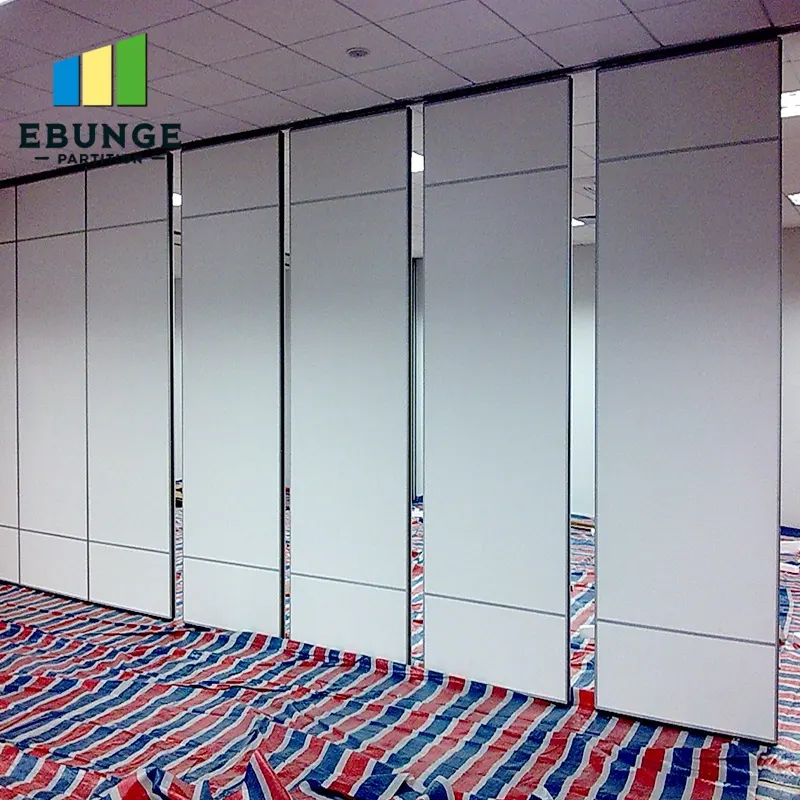
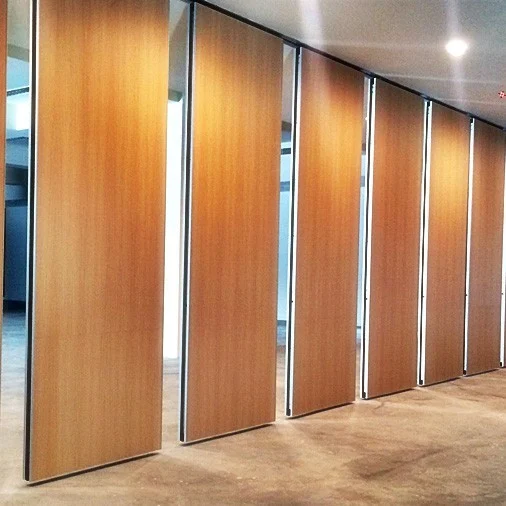
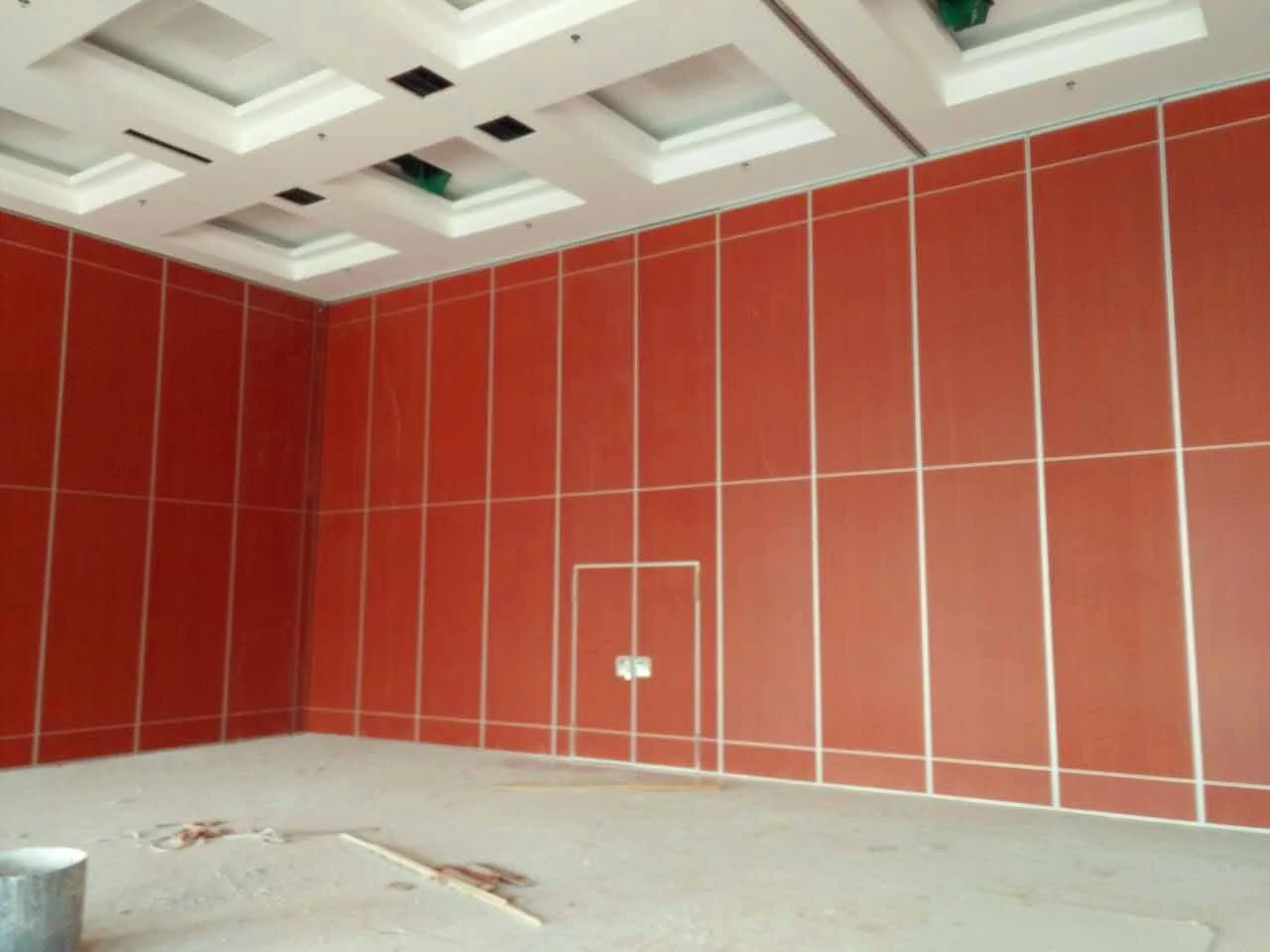
The register should protect the boundary between what is known and what must be confirmed. For movable walls, the maintained facts are specific: panels are individually movable, suspended from a top track, cross the opening without a floor track, and park at a planned stacking position. Straight, turning and stacking routes are reviewed from the layout. Finish options include laminate, melamine, fabric, leather, glass and other approved surfaces. Pass-door requirements and project documentation can be discussed.
Everything else belongs in a clarification line. That includes support conditions, acoustic expectations, dimensional tolerances, interface details and any performance value a bidder may be tempted to infer from a photograph or a finish sample. The register should force those items into the open rather than letting them hide inside a lump-sum price.
Separate maintained facts from project-specific questions
Create two columns in your working file: one for statements supported by maintained product information, and one for items requiring project-specific evidence. This simple split prevents a common evaluation error, where a bidder’s assumption is treated as a confirmed project fact.
Build the Register Before Bids Arrive
Coordination scope: tender clarification register.
A register created after bids arrive becomes a negotiation tool rather than a clarification tool. Prepare it during tender issue, when drawings, schedules and room lists are still being coordinated. That timing lets you ask the same questions of every bidder and compare answers on equal terms.
- List every room or zone where flexible division, combination or reconfiguration is required. Named venues are examples only; the same logic applies to training rooms, ballrooms, offices, classrooms and multi-purpose halls.
- Mark the movement route for each location, including straight runs, turns and the planned parking position.
- Record the finish intent using the confirmed categories, and note where a sample or approval is still pending.
- Identify pass-door needs and any documentation the project team expects to review.
- Flag every performance or engineering item that must be confirmed against project-specific evidence.
- Assign an owner and a due date to each clarification line so the register stays live.
Write Clarification Questions That Survive Evaluation
Checklist focus: tender clarification register.
Weak questions produce weak answers. A question such as “Is the system acoustic?” invites a yes that cannot be evaluated. A stronger question asks the bidder to state the basis of any acoustic claim, the project-specific evidence behind it and the assumptions it depends on.
Apply the same discipline to support and movement. Because panels are top-hung and cross the opening without a floor track, the overhead route must be continuous and connected for every proposed movement path. The register should ask bidders to confirm how the route is supported and reviewed, not assume that a visible track in one drawing covers every turn or parking position.
Use an evidence note for every performance line
Evidence note: A finish sample, photograph or drawing does not prove acoustic, fire, durability, load or maintenance performance. Where a project requires such a value, the register should name the evidence expected and mark the line as open until that evidence is reviewed.
Run a Drawing Review Before Scoring Bids
Review focus: tender clarification register.
Bid evaluation should include a drawing review, not only a price comparison. Check that each bidder has interpreted the same layout, the same parking position and the same finish scope. Where a bidder proposes a different route or stacking arrangement, record it as a clarification rather than silently accepting it.
| Register line | What to confirm | Evaluation risk if left open |
|---|---|---|
| Movement route | Straight, turning and stacking paths shown on the layout | Bidders price different route lengths or parking positions |
| Overhead support | Continuous connected route and project-specific support review | Assumed support conditions are treated as confirmed |
| Finish scope | Approved surface category and sample status | Generic finish is read as proof of performance |
| Pass doors | Requirement and documentation discussed | Door scope is omitted or duplicated |
| Acoustic expectation | Basis of any claim and project-specific evidence | STC or Rw is reduced to an unsupported number |
Keep the Register Alive Through Evaluation
Project review term: tender clarification register.
A register that is issued once and filed away will not survive evaluation. Assign a coordinator to log every question, answer and revision. When a bidder’s answer changes the scope, update the comparison sheet and tell the other bidders if the change affects common assumptions.
This discipline also protects the project later.
Review the register at three fixed points
- At tender issue: confirm the question set is complete and consistent across all bidders.
- At mid-tender: issue addenda for any clarification that changes common scope.
- At evaluation: score only against answered lines, and list open items separately.
Common Mistakes That Weaken Bid Evaluation
One frequent mistake is mixing confirmed product facts with project-specific assumptions in the same paragraph. A third is leaving the parking position vague, which makes stacking routes impossible to compare fairly.
Teams also weaken the register by asking different questions of different bidders. If one bidder receives a verbal clarification that others do not, the evaluation loses its common basis. Keep every exchange in the written register, and use the same wording for every recipient.
Frequently Asked Questions
What is a movable partition tender clarification register?
It is a written record of the questions, answers and open items that arise during tender. It keeps bid evaluation comparable and shows which items still require project-specific confirmation.
Which items must always be confirmed per project?
Support conditions, acoustic expectations, dimensional requirements, finish approvals and pass-door scope should be confirmed for the specific project. Maintained product facts do not replace that review.
Can a bidder’s acoustic claim be accepted at face value?
No. Ask for the basis of the claim and the project-specific evidence behind it.
How should movement routes be described in the register?
Describe straight, turning and stacking routes from the layout. Because panels are top-hung and cross the opening without a floor track, every proposed path needs a continuous connected overhead route and project-specific support review.
When should the register be started?
Start it at tender issue, before bids arrive. That timing lets you ask the same questions of every bidder and compare answers on equal terms.
Does a finish sample prove performance?
No. A finish sample shows appearance and surface category only. Visible references can support layout discussion but do not verify hidden construction or performance.
Conclusion and Next Step
A tender clarification register survives bid evaluation when it separates maintained facts from project-specific questions, records every exchange and forces performance claims to name their evidence. Keep the register live, review it against the drawings and score only against answered lines.
To discuss pass-door requirements, project documentation or layout review for your next tender, contact EBUNGE. You can also review the movable wall product context and the project resources before issuing your clarification questions.