
Quick answer: movable partition tender track fixing
Review focus: movable partition tender track fixing.
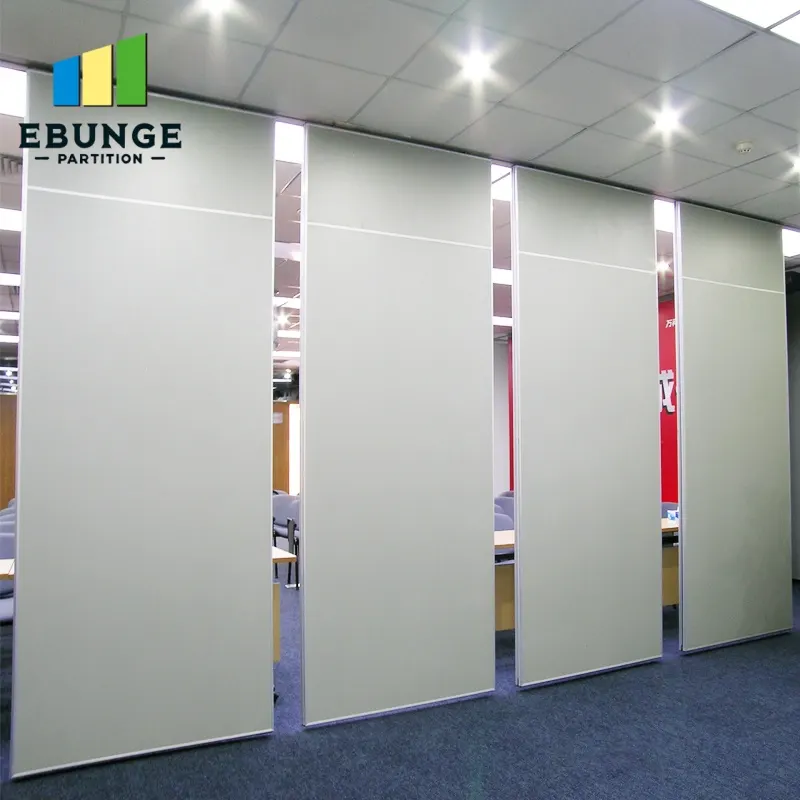
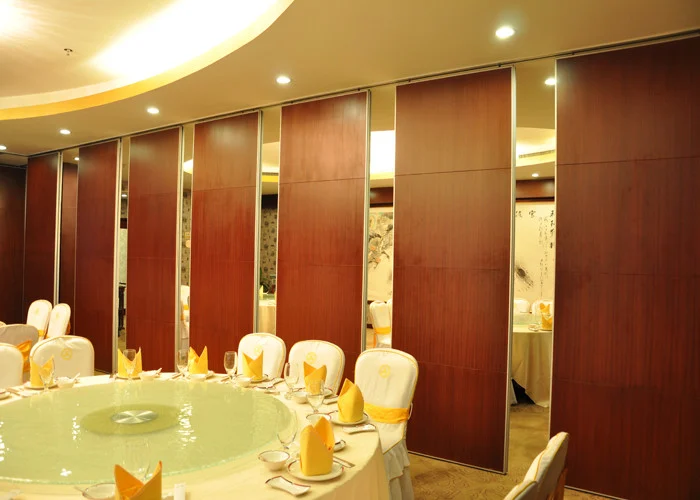
A movable partition tender track fixing method statement review is not a paperwork formality. It is the point where a bidder’s proposed overhead route, support assumptions and interface responsibilities become visible enough for the project team to question them. Because EBUNGE movable wall panels are individually movable and suspended from a top track, they cross the opening without a floor track and park at a planned stacking position. That single fact changes what a reviewer should look for: the method statement must explain how the continuous overhead route is supported, how straight, turning and stacking routes are coordinated, and what project-specific evidence still needs confirmation.
Why the Track Fixing Method Statement Deserves Early Review
Project review term: movable partition tender track fixing.
In many tenders, the method statement arrives as a short narrative attached to a product data sheet. That is rarely enough. The panels may be top-hung and clear the floor, but the track still needs a continuous connected overhead route. The exact route, junction arrangement, continuous overhead path and parking position must be confirmed from the coordinated project drawings.
Early review also protects the procurement programme. The suitability of each route and parking arrangement depends on the approved layout, circulation, ceiling interfaces and operating sequence. A method statement that ignores those interfaces may still look complete on paper while leaving coordination gaps for the installation phase.
What a Complete Method Statement Should Contain
Coordination scope: movable partition tender track fixing.
A useful submission is more than a description of brackets. It should connect the proposed fixing approach to the actual layout. The reviewer should be able to trace the panel route from the parked position, through any turning point, across the opening and back to the stacking area.
Layout and route information
The bidder should show how the straight, turning and stacking routes have been reviewed from the layout. Parking style is customized to the customer layout and project requirements, so the method statement should reflect the coordinated design rather than a generic arrangement.
Support and interface assumptions
The statement should identify what the bidder assumes about the supporting structure and what remains the responsibility of others. It should not present those assumptions as verified engineering conclusions unless project-specific evidence is provided.
Documentation and pass-door coordination
Pass-door requirements and project documentation can be discussed with the supplier. The method statement should note how those items are coordinated with the track route and the surrounding construction.
A Practical Review Checklist for Tender Teams
Checklist focus: movable partition tender track fixing.
Use the following checklist to structure the review. It is deliberately evidence-bounded: each item asks for confirmation rather than accepting a claim at face value.
- Route continuity: Does the drawing show a continuous connected overhead route for every movement path?
- Stacking position: Is the planned parking location shown and coordinated with the layout?
- Support interface: Are the assumed supporting elements identified, with open items flagged for project-specific review?
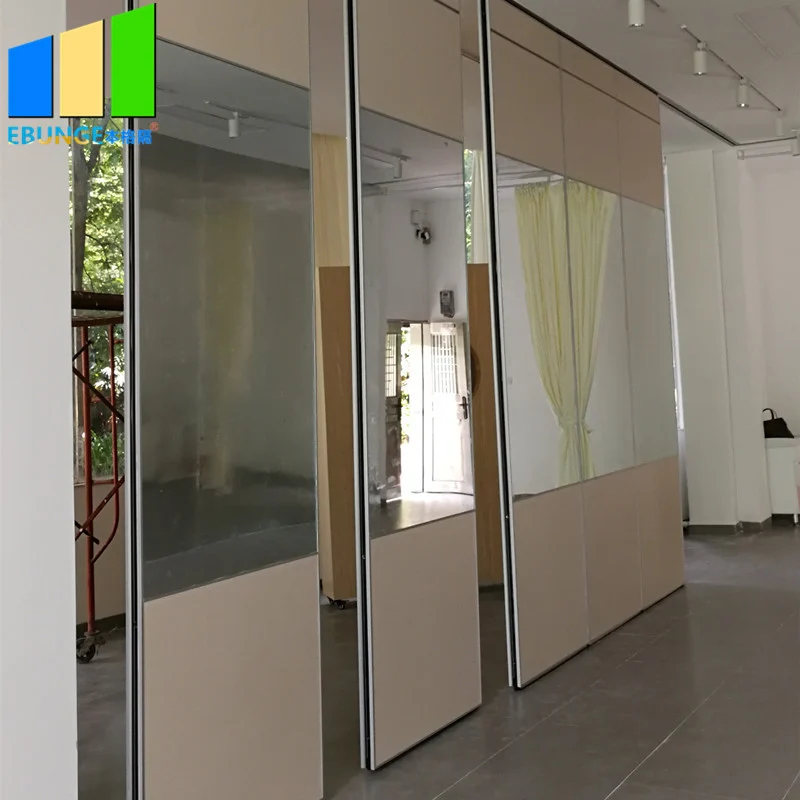
- Finish coordination: Are confirmed finish options such as laminate, melamine, fabric, leather, glass or other approved surfaces reflected where they affect interfaces?
- Pass doors: Are pass-door requirements noted and linked to the documentation set?
- Acoustic concept: If acoustic separation is discussed, is it explained conceptually rather than reduced to a simple count of decibels?
- Evidence boundary: Does the bidder distinguish between maintained product facts and project-specific confirmation?
How to Read Acoustic and Seal Statements Without Overclaiming
A method statement may refer to seals and acoustic concepts generically, but the reviewer should not infer a tested performance value from a drawing or a finish sample.
Where acoustic separation matters, ask the bidder to identify what requires project-specific confirmation. That keeps the tender comparable without turning a conceptual explanation into an unsupported performance claim.
Red Flags and Evidence Notes for Bidder Submissions
Some submissions create more risk than clarity.
Evidence note: Do not derive hidden acoustic, fire, durability, load, maintenance, certification or commercial performance from a visible shape, finish, photograph or drawing. Comparative, absolute and causal statements require corresponding evidence; otherwise remove them or state the exact project-specific confirmation boundary.
Every proposed movement path requires a continuous connected overhead route and project-specific support review. If the bidder cannot show that, the submission is incomplete.
Coordinating the Review Across the Project Team
For overseas projects, time zones and documentation formats can slow this down. A short, structured query list is more effective than a long narrative response. Ask the bidder to mark up the route drawing and to list the assumptions that still need confirmation.
Frequently Asked Questions
What is the first thing to check in a track fixing method statement?
Check whether the proposed route is continuous and connected. If the panels are top-hung and clear the floor, the overhead route must still be complete for every straight, turning and stacking path.
Can a bidder rely on a generic method statement?
A generic statement may be useful as a starting point, but the tender review should require the bidder to relate the fixing approach to the actual layout and the coordinated design.
How should acoustic claims be handled in the tender?
Ask for project-specific confirmation rather than accepting a performance promise.
What documentation should accompany the method statement?
The submission should include the route drawing, stacking position, interface assumptions and any pass-door requirements. Project documentation can be discussed with the supplier.
When should the project team request clarification?
Provide the current layout, opening dimensions, ceiling information, intended room use, and relevant project drawings for review. The exact overhead route and support arrangement must be confirmed by the responsible project team from coordinated drawings.
Does a clear floor mean no support review is needed?
No. A clear floor means there is no continuous floor running track or floor hardware along the partition line, but the overhead support still requires project-specific review.
Conclusion and Next Step
A disciplined movable partition tender track fixing method statement review helps project teams compare bids on the same basis. Focus on route continuity, support assumptions, interface responsibilities and the boundary between maintained product facts and project-specific confirmation. For product context, review the movable walls range and the project resources. To discuss pass-door requirements, documentation or a specific layout, contact the EBUNGE team.