
Quick answer: contractor track fixing crew phasing
Review focus: contractor track fixing crew phasing.
The contractor track fixing crew phasing ceiling grid closure deadline is a scheduling constraint that rewards early coordination. Once the ceiling grid closes, overhead access narrows and later trades inherit a harder working environment. The suitability of each route and parking arrangement depends on the approved layout, circulation, ceiling interfaces and operating sequence.
Why Ceiling Grid Closure Changes the Track Fixing Sequence
Project review term: contractor track fixing crew phasing.
Ceiling grid closure is usually tracked as a finish milestone. It is equally an access milestone. After the grid and ceiling membrane are complete, reaching the overhead zone for track alignment, fixing and inspection becomes more constrained. That shift affects crew sequencing, inspection windows and the order in which adjacent trades can work.
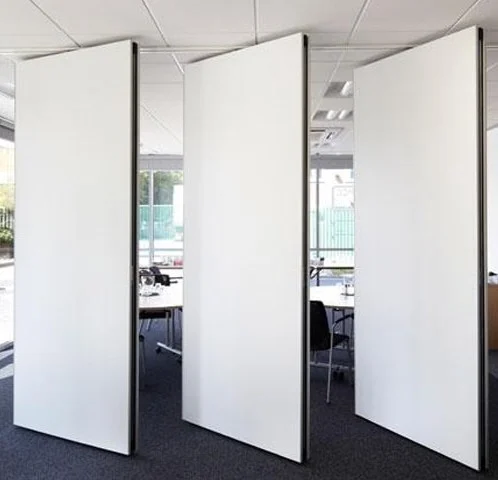
For top-hung movable partitions, panels are individually movable, suspended from a top track, cross the opening without a floor track, and park at a planned stacking position. The track is therefore part of the overhead coordination zone. If the ceiling closes before that zone is ready, the project may need to reopen access or accept a compressed installation window.
Information to Collect Before Phasing Crews
Coordination scope: contractor track fixing crew phasing.
Phasing decisions should rest on drawings and confirmed project data, not assumptions. The following checklist helps the project team assemble the inputs that a track fixing sequence depends on.
- Layout drawings showing straight, turning and stacking routes for the movable wall.
- Ceiling grid closure date and any partial-closure zones.
- Access strategy for the overhead zone before and after closure.
- Inspection and sign-off requirements from the main contractor or owner.
- Interface points with other overhead trades, including services and lighting.
Where any item is missing, treat the phasing plan as provisional. Confirm it with the responsible design and site team before mobilising crews.
A Four-Stage Phasing Process for Track Fixing Crews
Checklist focus: contractor track fixing crew phasing.

The sequence below is a coordination framework. It does not replace project-specific engineering review, and it does not assume a particular crew size or duration.
- Route review. Walk the proposed movement path on paper and on site. The exact route, junction arrangement, continuous overhead path and parking position must be confirmed from the coordinated project drawings.
- Support confirmation.
- Pre-closure fixing window. Schedule track fixing and inspection while overhead access is still open. Coordinate with ceiling and services trades so the zone is not closed prematurely.
- Post-closure verification. After closure, verify alignment and function through the access points that remain available, and record any outstanding items for the responsible parties.
Coordinating With Ceiling and Services Trades
Review focus: contractor track fixing crew phasing.
Track fixing rarely happens in isolation. The exact overhead route and support arrangement must be confirmed by the responsible project team from coordinated drawings. A phasing plan should identify who needs access, in what order, and what must be complete before the grid closes.
One practical approach is to define a track fixing zone on the reflected ceiling plan and agree a hold point. The hold point is a date or condition after which the ceiling grid in that zone will not close until track fixing and inspection are complete.
Evidence Boundaries: What Drawings Do and Do Not Prove
Project review term: contractor track fixing crew phasing.
Drawings and finishes show intent, not performance. Visible references can support layout discussion but do not verify hidden construction or performance. Those items require separate project-specific evidence and confirmation.
Finish and Interface Decisions That Affect the Track Zone
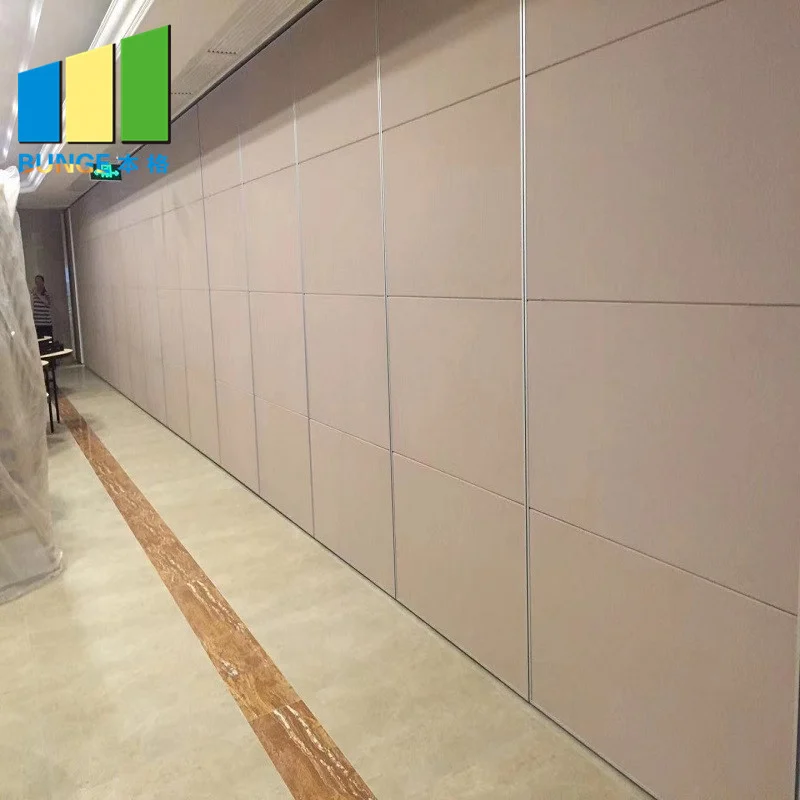
Finish choices are often made before track fixing is sequenced. Confirmed finish options include laminate, melamine, fabric, leather, glass and other approved surfaces. These choices affect the visible interface between the partition, the ceiling and adjacent finishes, so they should be coordinated with the track zone early.
Pass-door requirements and project documentation can be discussed with the supplier. Where a pass door is required, its position and swing should be checked against the track route and stacking position. This is a layout coordination item, not a performance claim.
Common Phasing Mistakes and How to Avoid Them
Several recurring mistakes can push track fixing past the ceiling grid closure deadline. The table below pairs each mistake with a practical avoidance measure.
| Mistake | Avoidance measure |
|---|---|
| Treating ceiling closure as a finish-only milestone | Add it to the access and track fixing sequence as a hold point. |
| Fixing track before support is confirmed | Obtain written support confirmation from the responsible structural engineer. |
| Assuming a route without checking the layout | Review straight, turning and stacking routes from the project drawings. |
| Leaving inspection until after closure | Schedule inspection while overhead access remains open. |
| Ignoring interface with other overhead trades | Agree a shared zone plan and sequence with ceiling and services teams. |
Frequently Asked Questions
Can track fixing continue after the ceiling grid closes?
It may be possible through remaining access points, but the working environment is more constrained. The project team should confirm the access strategy and any inspection requirements with the responsible site team before relying on post-closure work.
Who confirms the support condition for the track?
The supplier can provide product information, but support verification remains a project-specific engineering responsibility.
Do movable partitions need a floor track?
EBUNGE movable partition panels are top-hung and move without a continuous floor running track or floor hardware along the partition line. The panels cross the opening without a floor track and park at a planned stacking position. Confirm the route and stacking layout for each project.
How should the phasing plan handle turning routes?
Straight, turning and stacking routes should be reviewed from the layout. Every proposed movement path requires a continuous connected overhead route and project-specific support review.
What finish options are available for the partition?
Confirmed finish options include laminate, melamine, fabric, leather, glass and other approved surfaces. Finish selection should be coordinated with the track zone, ceiling interface and adjacent finishes. Confirm availability and suitability for the project.
Can pass doors be included in the partition layout?
Pass-door requirements and project documentation can be discussed with the supplier. The position and operation of any pass door should be checked against the track route, stacking position and ceiling interface during layout review.
Conclusion: Phase Track Fixing Before the Grid Closes
Ceiling grid closure sets a practical deadline for overhead track fixing. The framework here is a starting point for coordination, not a substitute for project-specific confirmation.
To discuss track fixing coordination, finish options, pass-door requirements or project documentation for your movable partition layout, contact the EBUNGE team.