
Quick answer: movable partition tender query response
Review focus: tender query response.
A movable partition tender query response register is a controlled log of every question, clarification and answer exchanged during the tender period for a movable wall package. It keeps commercial, technical and drawing-related queries in one traceable place so that bidders price the same scope and the project team can show how each point was resolved. This article explains how to set up and run that register for movable partition packages, using only maintained product facts and clearly marked confirmation boundaries.
Why a Query Register Matters for Movable Partition Packages
Project review term: tender query response.
Movable partitions are configured around a project’s layout, opening width, parking position and finish direction. When bidders interpret those items differently, returned prices and technical notes can describe different scopes. A register reduces that risk by recording the question, the answer, the supporting document and the date.
It also creates an audit trail. If a query touches acoustic intent, support conditions or dimensional coordination, the register should show that the point was referred for project-specific confirmation rather than answered from assumption.
What Belongs in the Register
Coordination scope: tender query response.
Start with a simple structure that any reviewer can follow. Each row should carry a unique query number, the originator, the date raised, the topic, the answer, the evidence reference, the status and the owner. Keep the wording factual and avoid restating performance claims that have not been confirmed for the project.
- Query number and revision: so later changes do not overwrite earlier answers.
- Topic tag: for example layout, finish, parking, documentation or interface.
- Question as asked: preserve the original wording rather than a paraphrase.
- Answer and basis: state what is confirmed and what still requires project-specific review.
- Evidence reference: drawing number, specification clause or written confirmation.
- Status and owner: open, answered, pending confirmation or closed.
A Step-by-Step Process for Running the Register
Checklist focus: tender query response.
The suitability of each route and parking arrangement depends on the approved layout, circulation, ceiling interfaces and operating sequence. The sequence below keeps queries moving without implying that every answer is a final design decision.
- Open the register before bidders ask questions. Publish the format, the deadline for queries and the route for submitting them.
- Log every query on receipt. Even informal questions should be captured so they can be answered consistently to all bidders.
- Classify the query. Separate layout and movement-path questions from finish, documentation and commercial points.
- Route to the right reviewer. The exact overhead route and support arrangement must be confirmed by the responsible project team from coordinated drawings.
- Answer with a stated basis. Where the point depends on the project, say so and record what must be confirmed.
- Issue the answer to all bidders. Use the same wording so no bidder prices a different interpretation.
- Close the loop before award. Confirm that each open item has an owner, a response and a clear status.
Coordinating Layout, Movement and Parking Queries
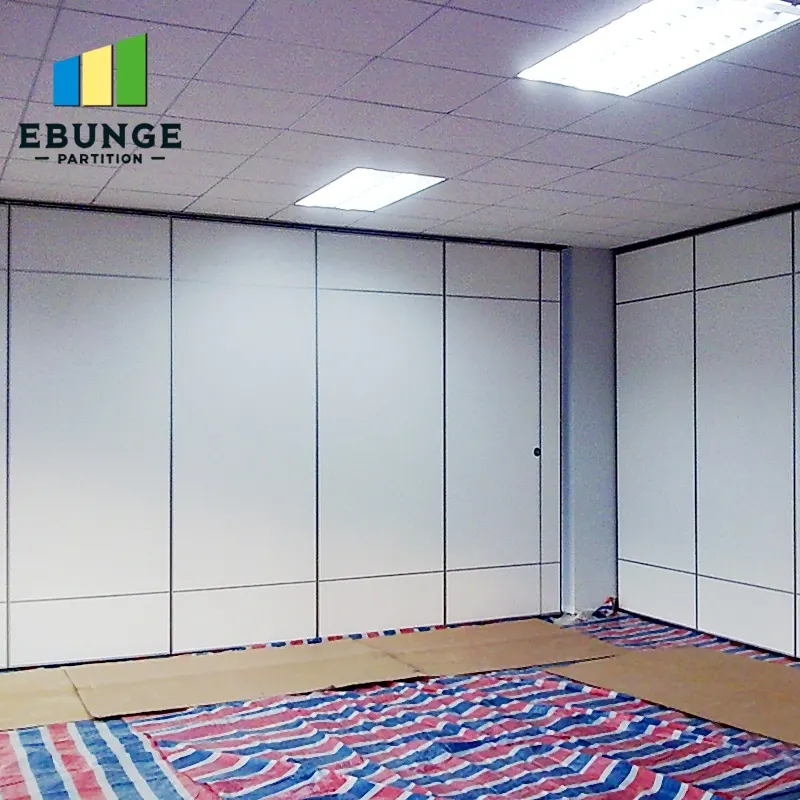
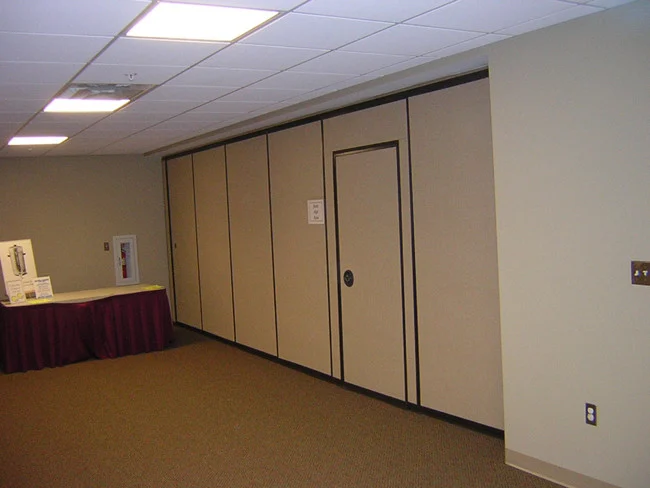
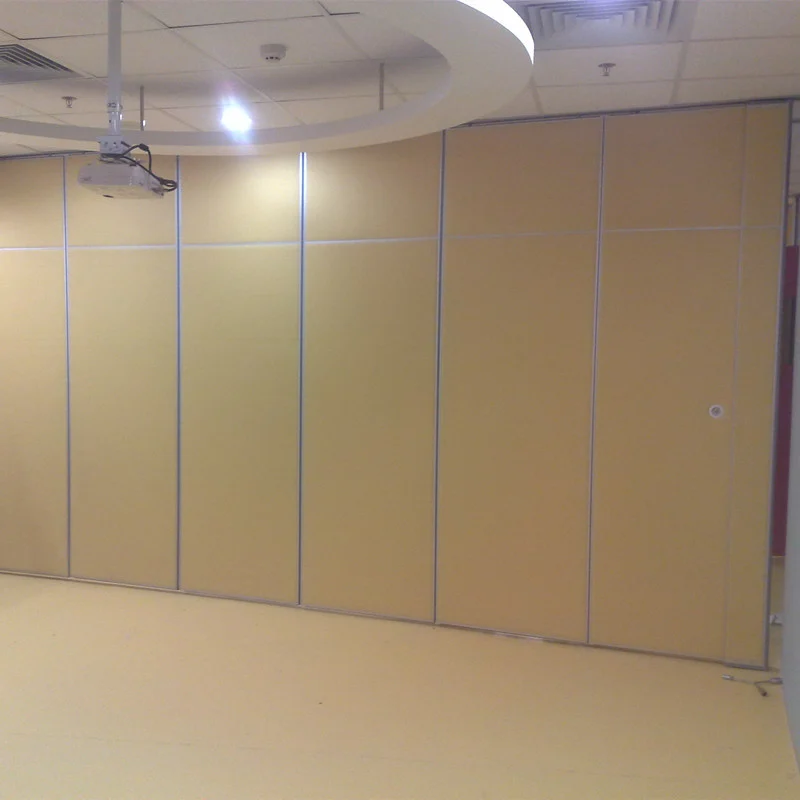
Many tender queries concern how panels travel and where they rest. EBUNGE movable partition panels are individually movable and suspended from a top track. They cross the opening without a floor track and park at a planned stacking position. Straight, turning and stacking routes are reviewed from the layout, so the register should link each route question to the relevant drawing.
Parking style is customized to the customer layout and project requirements and may support compact stacking when the coordinated design permits it. A query about parking should therefore ask for the proposed stacking position and the route to it, not for a generic answer. Every proposed movement path requires a continuous connected overhead route and project-specific support review.
Handling Finish, Acoustic and Documentation Queries
Finish questions are common because the visible surface affects the room’s character. Confirmed finish options include laminate, melamine, fabric, leather, glass and other approved surfaces.
Acoustic queries need careful wording.
Evidence note: A drawing, finish sample or photograph shows appearance and intent. It does not by itself confirm acoustic performance, structural capacity, cleaning compatibility or a application reference. Record the confirmation boundary in the register.
Reviewing Responses Before They Are Issued
Before an answer leaves the register, check that it does not introduce an unsupported claim. Comparative, absolute and causal statements need matching evidence; otherwise the answer should state the exact project-specific confirmation required.
| Query type | What to record | Confirmation boundary |
|---|---|---|
| Movement route | Proposed path and parking position | Continuous overhead route and support review |
| Finish | Named finish option and sample status | Surface and cleaning suitability for the project |
| Acoustic intent | Stated project requirement | Project-specific acoustic confirmation |
| Documentation | Drawing or clause reference | Latest issued revision |
Common Pitfalls and How to Avoid Them
One frequent pitfall is answering a layout question with a generic statement. Another is allowing verbal answers to sit outside the register. A third is treating a bidder’s assumption as a confirmed fact because it appeared in a returned document.
Keep answers short, dated and linked to evidence. Where a point cannot be confirmed at tender stage, say so plainly and record who will confirm it later. This protects both the project team and the bidders from pricing an unverified scope.
Frequently Asked Questions
What is a movable partition tender query response register?
It is a controlled log of questions and answers exchanged during tender for a movable partition package. It records the query, the response, the evidence reference and the status so that all bidders work from the same information.
Who should own the register?
The project’s procurement or design lead usually owns the register, with technical reviewers contributing answers. The owner keeps the format consistent, issues answers to all bidders and confirms that open items are closed before award.
How should acoustic questions be handled?
Record the project’s stated acoustic requirement and refer it for project-specific confirmation.
Can finish questions be answered from a sample?
Record the finish option and note what still requires project-specific confirmation.
What should a movement-path query include?
It should include the proposed route, the parking position and the relevant layout drawing. Every proposed movement path requires a continuous connected overhead route and project-specific support review.
When should the register be closed?
Close it when every query has a recorded answer, an evidence reference and a clear status. Any point that remains project-specific should be carried forward as a named action rather than left open in the tender log.
Conclusion and Next Step
A well-run movable partition tender query response register keeps questions visible, answers consistent and confirmation boundaries honest. It helps contractors, architects, designers, owners and distributors compare bids on the same basis without inventing performance or commercial outcomes.
To discuss pass-door requirements, project documentation or layout review for your movable partition package, contact the EBUNGE team. You can also review movable wall products and browse further project resources before finalising your tender queries.