
Quick answer: track fixing crew
Review focus: track fixing crew.
Track fixing crew sequencing panel delivery windows is a coordination problem before it is an installation problem. On a top-hung movable partition, panels are individually movable, suspended from a top track, cross the opening without a floor track, and park at a planned stacking position. That means the overhead route must be ready before panels arrive, and the delivery window must match the crew’s ability to receive, stage and hang panels. This article sets out an evidence-bounded way to plan that sequence. The suitability of each route and parking arrangement depends on the approved layout, circulation, ceiling interfaces and operating sequence.
Why the Overhead Route Sets the Sequence
Project review term: track fixing crew.
Because panels hang from above, the track is the first physical dependency. Straight, turning and stacking routes are reviewed from the layout, so the crew cannot finalise fixing positions until the route is agreed. If the route changes after delivery, panels may be staged in the wrong place or handled twice.
Treat the track as a connected overhead system, not a series of isolated brackets. Every proposed movement path requires a continuous connected overhead route and project-specific support review. The exact route, junction arrangement, continuous overhead path and parking position must be confirmed from the coordinated project drawings.
Information to Confirm Before Crews Mobilise
Coordination scope: track fixing crew.
Sequencing fails when assumptions replace drawings. Before fixing crews mobilise, confirm the layout, the parking position, the opening dimensions and the support strategy with the responsible project parties. Confirm project-specific support, acoustic and dimensional requirements rather than inferring them from a finish sample or a photograph.
Drawing and Scope Checks
- Current architectural layout showing the opening, turning points and planned stacking position.
- Overhead route drawing with the continuous connected path marked.
- Confirmed finish selection from approved options such as laminate, melamine, fabric, leather, glass and other approved surfaces.
- Pass-door requirements, if any, discussed and documented.
- Delivery access, staging area and protection requirements agreed with the site team.
Evidence Note
Visible finishes, photographs and generic application examples do not prove acoustic performance, structural capacity, cleaning compatibility or a application reference. Those items require matching project evidence and written confirmation.
Building a Delivery Window That Fits the Work
Checklist focus: track fixing crew.
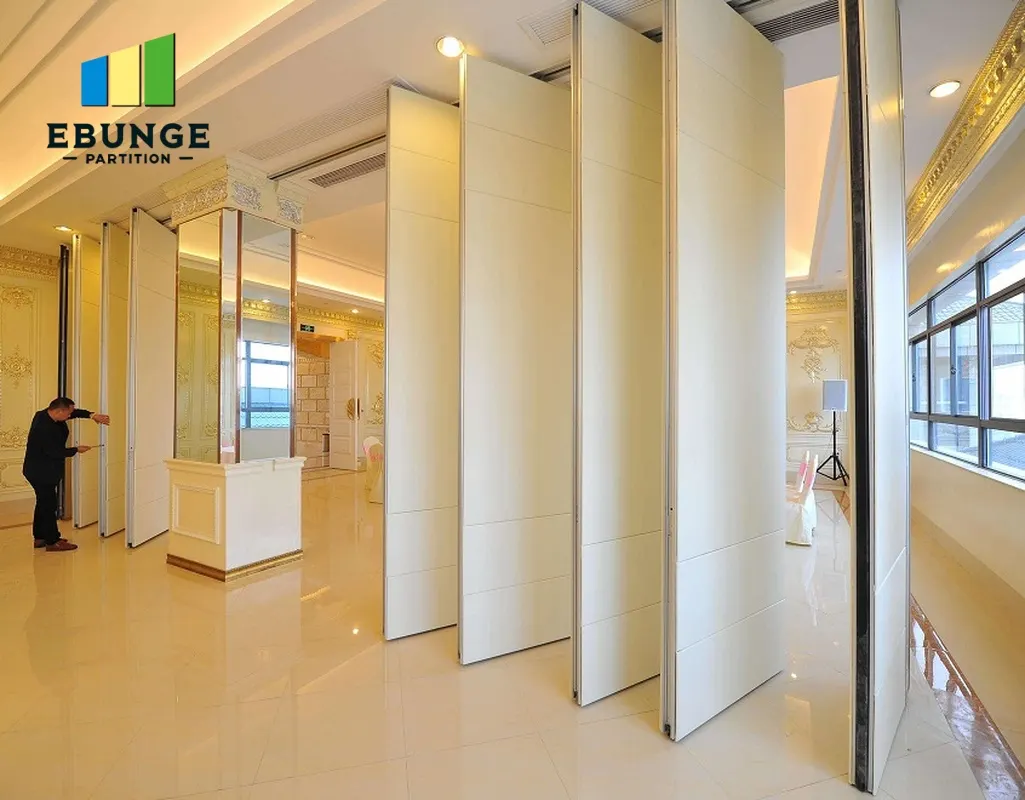
A delivery window is not just a date. It is the period when the site can safely receive panels, move them to a protected staging area and begin hanging without blocking other trades. Sequence the track fixing crew so that the overhead route is complete and reviewed before panels are uncrated.
Numbered Coordination Process
- Issue the current layout and confirm straight, turning and stacking routes.
- Fix and review the overhead track route before delivery.
- Agree the delivery window and staging position with the site manager.
- Receive panels, inspect for transit damage and store them protected.
- Hang panels in the planned order and check movement along the route.
- Confirm parking behaviour at the planned stacking position.
- Record outstanding items, pass-door requirements and documentation needs.
Coordinating Trades Around the Same Window
Review focus: track fixing crew.
Track fixing crews rarely work alone. Ceiling, electrical, fire and finishing trades may all need access to the same overhead zone. If the track route is fixed before those trades finish, later work can obstruct or disturb it. If it is fixed too late, panels arrive with nowhere to go.
Use a short coordination table to make dependencies visible. The table below is a planning aid, not a statement of performance or responsibility.
| Activity | Depends On | Risk If Out of Sequence |
|---|---|---|
| Track route review | Approved layout and support information | Rework, blocked route or unsafe fixing |
| Track fixing | Overhead access and coordinated services | Conflicts with ceiling or electrical work |
| Panel delivery | Protected staging area and site access | Damage, double handling or blocked circulation |
| Panel hanging | Completed and reviewed track route | Panels cannot move or park as planned |
| Handover checks | Documentation and pass-door confirmation | Open items and delayed sign-off |
What Can Be Reviewed From Visible Evidence
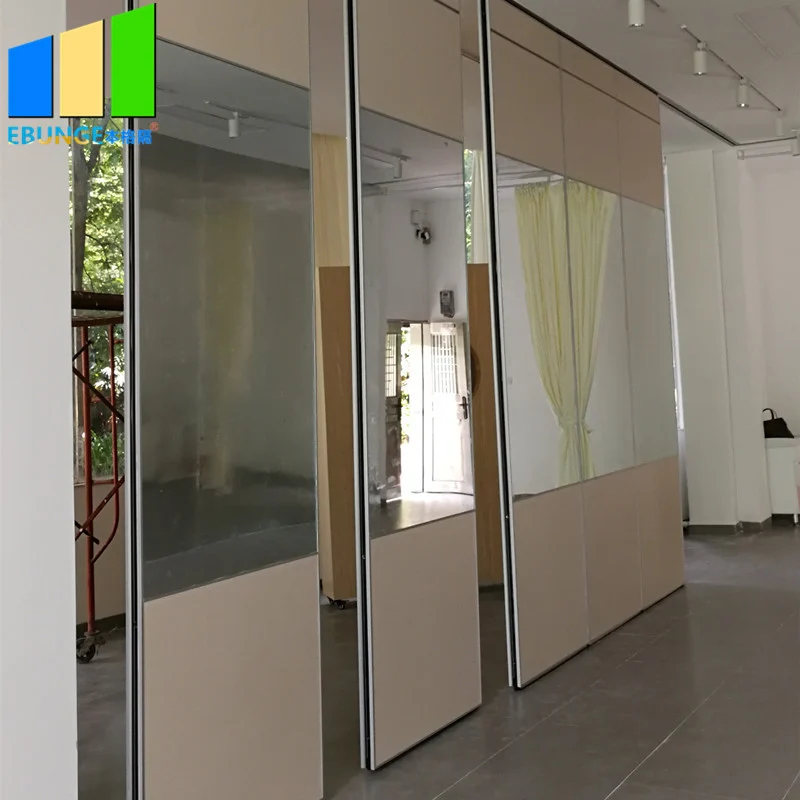
Site teams often want to judge readiness from what they can see. Visible evidence is useful for some checks and misleading for others. A straight, clean track line can be inspected visually.
Keep the distinction clear in progress meetings. Ask what has been confirmed in writing, by whom, and against which drawing revision. Where an answer depends on project-specific engineering or acoustic design, record it as an open item rather than filling the gap with an assumption.
Decision Checklist for the Delivery Window
- Is the layout revision current and issued to all relevant trades?
- Is the overhead route continuous and connected for every proposed movement?
- Has the support strategy been confirmed by the responsible party?
- Is the staging area protected, accessible and clear of other trades?
- Are pass-door requirements and project documentation discussed?
- Are acoustic and dimensional requirements confirmed for this project?
- Is there a named person to accept delivery and record condition?
Acoustic Concepts Without Invented Ratings
Movable partitions are often specified with acoustic intent. Actual performance depends on the complete assembly, the surrounding construction, the seals and the project-specific design.
Instead, confirm the acoustic requirement with the responsible acoustic consultant and match it to documented project evidence. If the requirement cannot be confirmed, state that clearly rather than implying a result.
Documentation and Handover Discipline
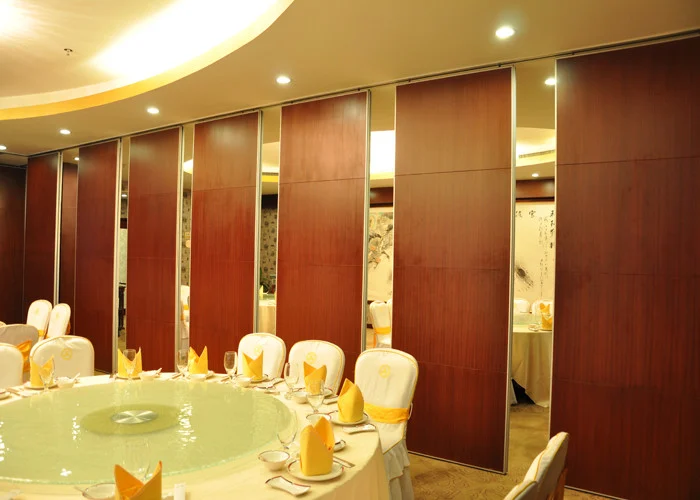
Good sequencing produces a clean handover trail: approved drawings, delivery records, inspection notes and open-item lists. Pass-door requirements and project documentation can be discussed with the supplier so that the site team knows what to expect. Panel handling and the operating sequence must be confirmed for the selected layout and project conditions.
For general planning resources, see the EBUNGE resources page. For product context, see movable walls.
Frequently Asked Questions
What is the first step in sequencing track fixing crews around panel delivery windows?
Confirm the current layout and the overhead route before booking delivery. The track is the primary dependency because panels are top-hung and move without a floor track.
Can panels be delivered before the track is fixed?
They can be received and staged if a protected area is available, but they cannot be hung until the overhead route is complete and reviewed. Early delivery without staging space increases handling risk.
How should parking and stacking be planned?
Parking style is customized to the customer layout and project requirements. Confirm the planned stacking position from the layout and check that the route to it is continuous and supported.
Which finish options can be discussed?
Confirmed finish options include laminate, melamine, fabric, leather, glass and other approved surfaces.
Can acoustic performance be guaranteed from the specification?
No. Confirm project-specific acoustic requirements with the responsible consultant and documented evidence.
What should be confirmed before handover?
Confirm that the installed route matches the approved layout, that parking works as planned, and that pass-door and documentation items are closed or recorded as open items.
Conclusion
Keep every recommendation tied to maintained product facts, visible evidence limits and project-specific drawing review. The exact overhead route and support arrangement must be confirmed by the responsible project team from coordinated drawings.
To discuss your project layout, pass-door requirements or documentation needs, contact EBUNGE.