
Quick project answer
Review focus: tender clarification response time audit.
Panel handling and the operating sequence must be confirmed for the selected layout and project conditions. For overseas contractors, architects and procurement officers, the audit is not a scoring trick. It is a structured way to compare whether each bidder can explain top-hung panel movement, parking arrangements, finish options and documentation boundaries using the project drawings. The focus keyword appears here because the audit belongs to the tender clarification stage, not to marketing claims.
Use this framework to keep questions specific, responses traceable and decisions tied to confirmed project requirements.
Why Response Time Matters in Movable Partition Procurement
Project review term: tender clarification response time audit.
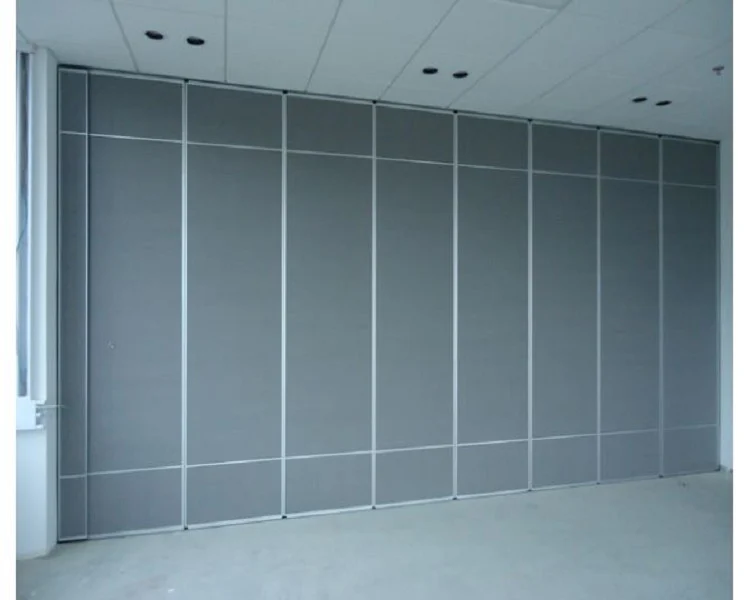
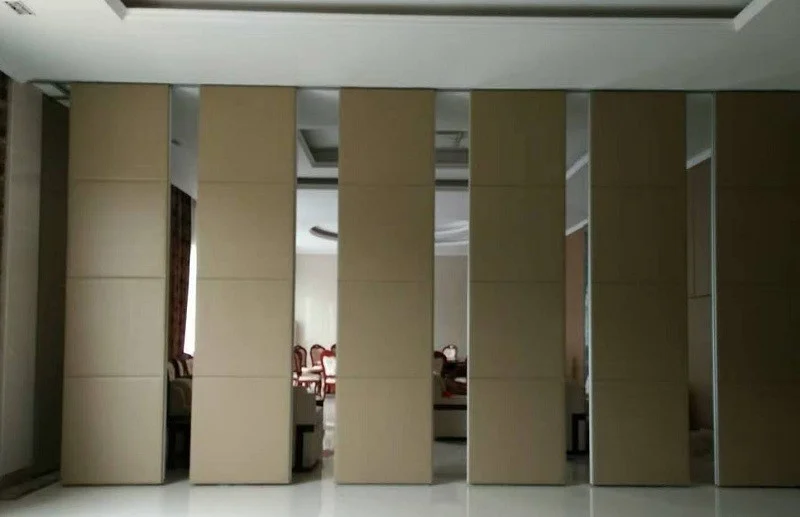
Movable partition panels are individually movable and suspended from a top track. They cross the opening without a floor track and park at a planned stacking position.
The exact route, junction arrangement, continuous overhead path and parking position must be confirmed from the coordinated project drawings. The exact overhead route and support arrangement must be confirmed by the responsible project team from coordinated drawings.
What the audit should measure
Measure the elapsed working time between a written clarification request and a written response that addresses the question. Record whether the response includes a drawing reference, a stated assumption or a request for missing information. The suitability of each route and parking arrangement depends on the approved layout, circulation, ceiling interfaces and operating sequence.
Building the Clarification Question Set
Coordination scope: tender clarification response time audit.
Start with questions that can be answered from the tender documents and the maintained product facts. Avoid questions that invite unsupported performance claims. The goal is to test whether the bidder can describe the proposed configuration without inventing engineering outcomes.
- Confirm the straight, turning and stacking routes shown on the layout.
- Ask how the top track follows the approved route and where support is reviewed.
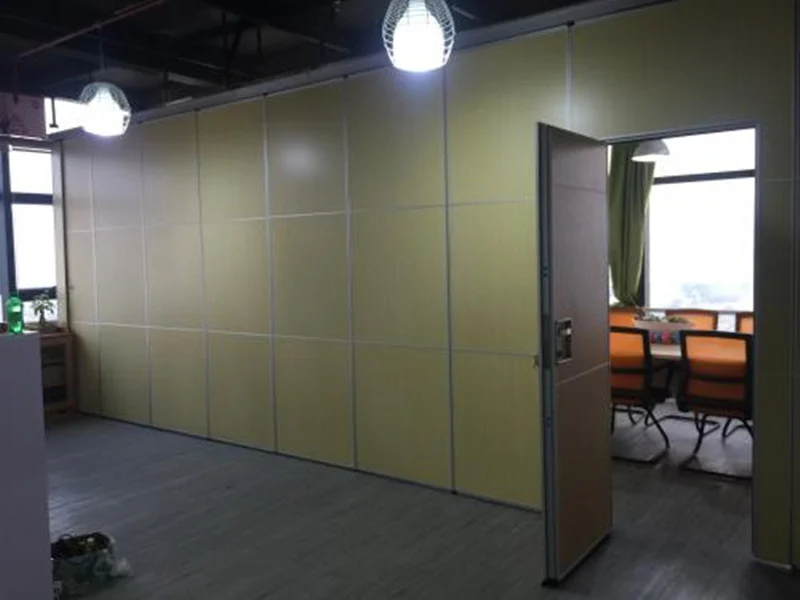
- Ask which finish options are proposed from laminate, melamine, fabric, leather, glass or other approved surfaces.
- Ask how pass-door requirements are coordinated with the panel layout.
- Ask what project documentation will be provided for review.
Each question should have a clear owner on the project side and a required response format. This prevents the audit from becoming an informal email thread.
Setting a Fair Response Time Baseline
Checklist focus: tender clarification response time audit.
Response time baselines should be agreed before the tender is issued. A baseline might distinguish between simple clarifications, drawing-related questions and questions that require coordination with the project team. The baseline is a management tool, not a performance guarantee.
| Clarification type | What to record | Evidence boundary |
|---|---|---|
| Route and parking question | Date sent, date answered, drawing reference | Requires layout review; no inferred load or support capacity |
| Finish and surface question | Proposed finish option and sample request | No cleaning, durability or acoustic claim without matching evidence |
| Pass-door and access question | Coordination note and required documentation | Project-specific confirmation required |
| Acoustic concept question | Explanation of STC or Rw as a rating concept | Do not reduce STC or Rw to a direct count of decibels |
Any acoustic requirement must be confirmed against the project’s specific design, assembly and test evidence.
Reviewing Bidder Responses Without Overreach
When a response arrives, check whether it answers the question asked. A useful response may state an assumption, identify a missing drawing or request a site review. Those are legitimate outcomes. The audit should reward clarity and traceability, not confident wording.
Red flags in clarification responses
Every proposed movement path requires a continuous connected overhead route and project-specific support review.
Evidence note
Record only what the bidder has written and what the drawings show. Do not infer hidden acoustic, fire, durability, load or commercial performance from a finish, photograph or drawing.
Coordinating the Audit Across Project Disciplines
Architects can confirm layout intent. Contractors can confirm access and sequencing. Owners can confirm decision deadlines. Distributors can confirm documentation routes.
Assign one person to issue clarifications and one person to log responses.
Documentation and Project-Specific Confirmation
Ask each bidder to identify the documents they will provide for review. These may include layout drawings, finish schedules and coordination notes. The exact documentation package depends on the project. Confirm project-specific support, acoustic and dimensional requirements before making a final comparison.
For maintained product context, review the movable wall systems page and the project resources section. These pages describe general product facts and do not replace drawing review.
FAQ: Tender Clarification Response Time Audit
What is a movable partition tender clarification response time audit?
It uses written requests, written responses and drawing references.
Should response speed be the main award criterion?
No. Technical completeness, drawing review and project-specific confirmation remain essential.
Can a bidder answer acoustic questions without test evidence?
Project-specific acoustic requirements need matching evidence.
What if the bidder asks for more drawings?
That can be a positive sign. It shows the bidder is checking the straight, turning and stacking routes rather than assuming a configuration.
How should pass-door requirements be handled?
Pass-door requirements and project documentation can be discussed with the project team. They should be coordinated with the panel layout and confirmed for the specific opening.
Does a fast response guarantee a smooth installation?
No. Installation depends on project-specific support, dimensional coordination and site conditions. The audit only measures clarification communication.
Conclusion and Next Steps
A movable partition tender clarification response time audit gives project teams a repeatable way to compare bidder communication without inventing performance claims. Keep questions tied to the drawings, record responses factually and confirm support, acoustic and dimensional requirements for each project.
To discuss your tender clarification process, contact the EBUNGE team with your layout and question list.