
Quick answer: track fixing crew sequencing ceiling
Review focus: track fixing crew sequencing ceiling.
Track fixing crew sequencing ceiling grid release windows is a coordination problem before it is an installation task. On movable partition projects, the overhead track must be fixed to a supporting structure, and the ceiling grid often needs to be released or opened so crews can access that structure. The sequence affects access, inspection and the readiness of the partition route. This article offers an evidence-bounded framework for planning that sequence. The suitability of each route and parking arrangement depends on the approved layout, circulation, ceiling interfaces and operating sequence.
Why Ceiling Grid Release Windows Matter for Track Fixing
Project review term: track fixing crew sequencing ceiling.
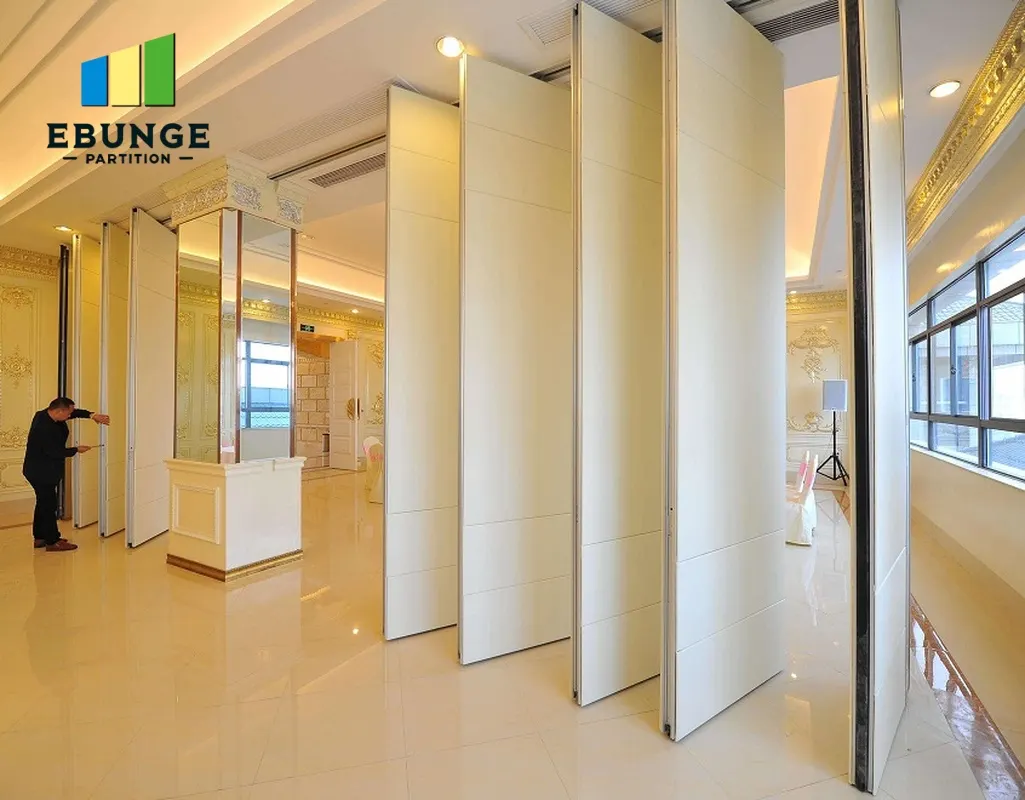
Movable wall panels are individually movable and suspended from a top track. They cross the opening without a floor track and park at a planned stacking position. That means the overhead route is continuous and supported. If the ceiling grid is closed before track fixing is complete, crews may lose access to the fixing points. If the grid is released too early, other trades may be exposed to unfinished work.
A release window is the agreed period when ceiling grid elements are opened, removed or set aside so track fixing crews can work. The window should be defined in the coordination drawings and the construction programme. Panel handling and the operating sequence must be confirmed for the selected layout and project conditions. It is a sequencing decision that must be confirmed for each project.
What the Release Window Must Protect
The window should protect three things: access to the supporting structure, the integrity of the ceiling grid, and the planned partition route. The route may be straight, turning or stacking. Each route type may need different access points. Review the layout to identify where the track crosses structure, where it turns, and where panels will park.
Pre-Planning Steps Before Crews Arrive
Coordination scope: track fixing crew sequencing ceiling.
Before any track fixing crew arrives, the project team should confirm the support strategy, the track layout and the ceiling grid release sequence. These are project-specific items. Do not infer support capacity from a visible ceiling type or a previous project.
- Identify every ceiling grid area that must be released for access.
- Agree the release window duration and the responsible trade for opening and reinstating the grid.
- Check that the supporting structure is accessible and ready for track fixing.
- Record any pass-door requirements or project documentation needs with the partition supplier.
- Confirm the parking position and stacking route so track fixing does not block future panel movement.
Information to Request from the Partition Supplier
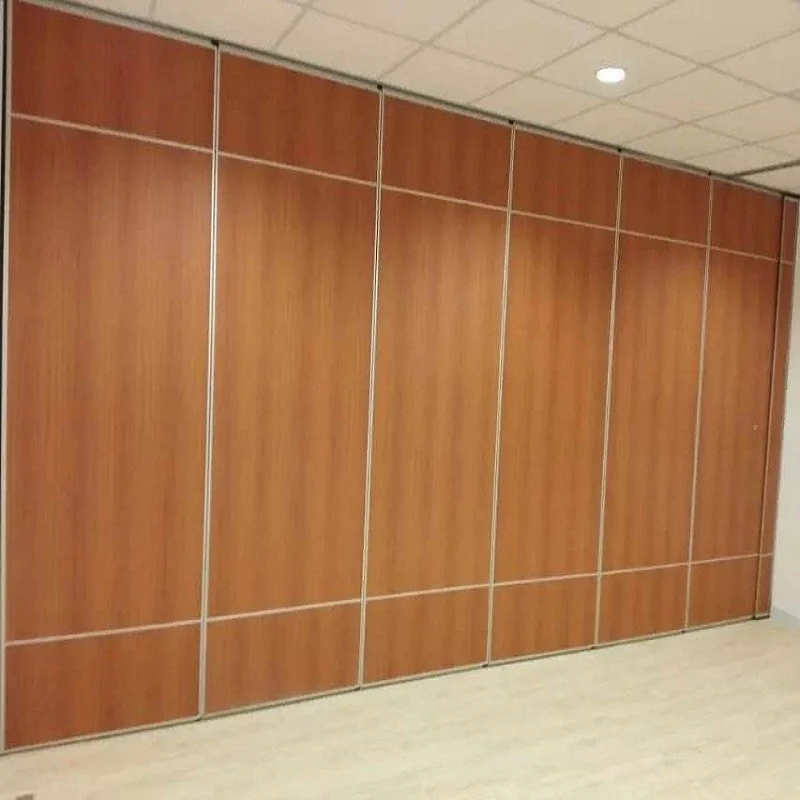
Ask for the track layout, fixing details and any interface requirements that affect the ceiling grid. Confirmed finish options include laminate, melamine, fabric, leather, glass and other approved surfaces. The exact overhead route and support arrangement must be confirmed by the responsible project team from coordinated drawings.
Sequencing the Track Fixing Crews
Checklist focus: track fixing crew sequencing ceiling.
The sequence should follow the route logic, not the convenience of the ceiling grid. Start where the track begins, work through the opening, and continue to the parking area. The exact route, junction arrangement, continuous overhead path and parking position must be confirmed from the coordinated project drawings. If the route stacks, the stacking area must be clear and the track must be continuous to that point.
| Stage | Ceiling Grid Status | Track Fixing Activity | Coordination Check |
|---|---|---|---|
| 1. Access setup | Release window open | Confirm fixing points and route | Support structure accessible |
| 2. Main run | Open along route | Fix track through opening | Continuous overhead route |
| 3. Turns and junctions | Open at turn points | Fix turning track sections | Route matches layout |
| 4. Parking area | Open at stacking zone | Fix track to parking position | Stacking clear and planned |
| 5. Close-out | Reinstate grid | Inspect and hand over | No blocked movement path |
This table is a planning aid, not a fixed method statement. The actual sequence depends on the ceiling grid design, the supporting structure and the approved partition layout. Confirm all items with the responsible engineer or project manager.
Coordination with Other Trades
Review focus: track fixing crew sequencing ceiling.
Track fixing rarely happens in isolation. Ceiling grid crews, electrical crews, fire safety crews and finishing trades may all need the same ceiling void. The release window should be agreed in a coordination meeting and recorded in the programme. If another trade needs to work in the same area, define who goes first and who reinstates the grid.
Evidence Boundaries for Sequencing Claims
Those outcomes require project-specific evidence. What can be stated is that a planned release window supports access and inspection. Confirm acoustic requirements with the project specification.
Common Sequencing Risks and How to Flag Them
Project review term: track fixing crew sequencing ceiling.
Risk flags should be raised early. A late release window can delay track fixing. An early release can expose the ceiling void. A missing support point can stop work. A blocked parking route can prevent panels from reaching their stacking position. None of these risks should be solved by assumption.
- Ceiling grid released before support structure is confirmed.
- Track fixing crew arrives before the route is marked.
- Release window closes before inspection is complete.
- Parking area used for temporary storage.

Use the project drawing review to resolve these flags. If a flag cannot be resolved, pause the sequence and request clarification. The movable walls product page provides general product context, while the resources page offers planning material. For project-specific questions, contact the team.
FAQ: Track Fixing and Ceiling Grid Release
What is a ceiling grid release window?
It is the agreed period when ceiling grid elements are opened or removed so track fixing crews can access the supporting structure. The duration and responsibility should be defined in the project programme.
Can track fixing start before the ceiling grid is released?
Only if the supporting structure is already accessible and the approved sequence allows it. Otherwise, track fixing should wait for the release window to open.
How do I confirm the track route?
Review the layout drawing with the project team. Confirm straight, turning and stacking routes, and check that the overhead route is continuous and supported.
Do movable partitions need a floor track?
No. EBUNGE movable partition panels are top-hung and move without a continuous floor running track or floor hardware along the partition line.
What finish options are available?
Confirmed finish options include laminate, melamine, fabric, leather, glass and other approved surfaces.
Who should coordinate the release window?
The main contractor or project manager typically coordinates between ceiling grid crews, track fixing crews and other trades. Responsibilities must be confirmed for each project.
Conclusion: Sequence with Evidence, Not Assumption
Use the release window to protect access, keep the overhead route continuous, and coordinate with other trades. Every project needs its own drawing review and confirmation.
To discuss your project documentation, pass-door requirements or track layout, contact EBUNGE. The team can review your requirements and confirm the next steps.