
Quick answer: tender query response time audit
Review focus: tender query response time audit.
A movable partition tender query response time audit measures how quickly and completely each tender query is answered during procurement. For overseas contractors, architects, interior designers, owners and renovation teams, the audit is not a scorecard of blame. It is a coordination tool that shows where drawing information, finish approvals or interface decisions are holding up the package. This guide explains how to run a movable partition tender query response time audit using maintained product facts, visible evidence limits and project-specific drawing review.
Why Response Time Matters in Movable Partition Procurement
Project review term: tender query response time audit.
Movable partition packages sit between several trades. The overhead track route, parking position and finish selection all depend on coordinated drawings. When a query sits unanswered, the tender cannot close cleanly. A response time audit creates a simple record: what was asked, when it was answered, and what evidence supported the answer.
The suitability of each route and parking arrangement depends on the approved layout, circulation, ceiling interfaces and operating sequence. It only measures communication and documentation flow. Any performance statement still requires project-specific confirmation.
Define the Audit Scope Before the First Query
Start by agreeing which queries fall inside the audit. A movable partition tender query response time audit should cover technical clarifications, drawing requests, finish approvals and interface questions. Commercial terms may sit outside the scope unless the project team chooses to include them.
Set a Query Log Structure
Use a single log with columns for query number, date raised, topic, responsible party, date answered, evidence attached and status. Keep the log visible to all tender participants. A shared log prevents duplicate questions and makes response time measurable.
Agree on Response Categories
Classify each query as drawing-related, finish-related, route-related or documentation-related. This helps the team see whether delays cluster around one topic. It also supports a more useful review at the end of the tender period.
Run the Audit as a Repeatable Process
A repeatable process keeps the audit fair and useful. The steps below can be adapted to any project size.
- Log every query on the day it is raised, with a clear subject line and the drawing or document it refers to.
- Assign an owner for each query so responsibility is visible.
- Record the response date when the answer is issued, not when it is drafted.
- Attach supporting evidence such as marked-up drawings, finish samples or written clarifications.
- Review open queries weekly and flag any that block the tender close.
- Close the audit with a summary of response times and unresolved evidence gaps.
What Evidence Should Accompany a Query Response
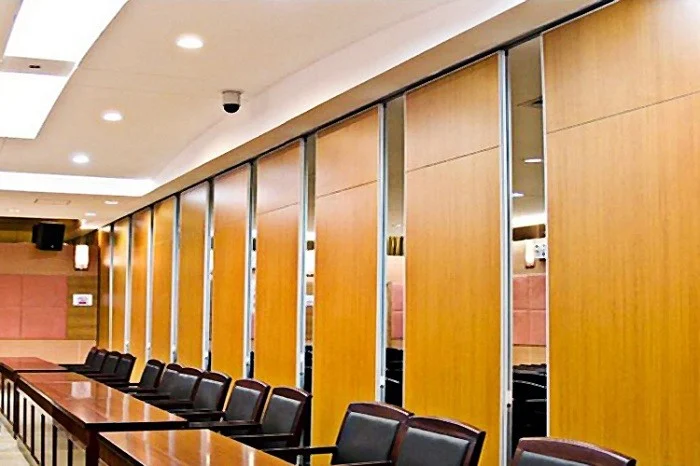
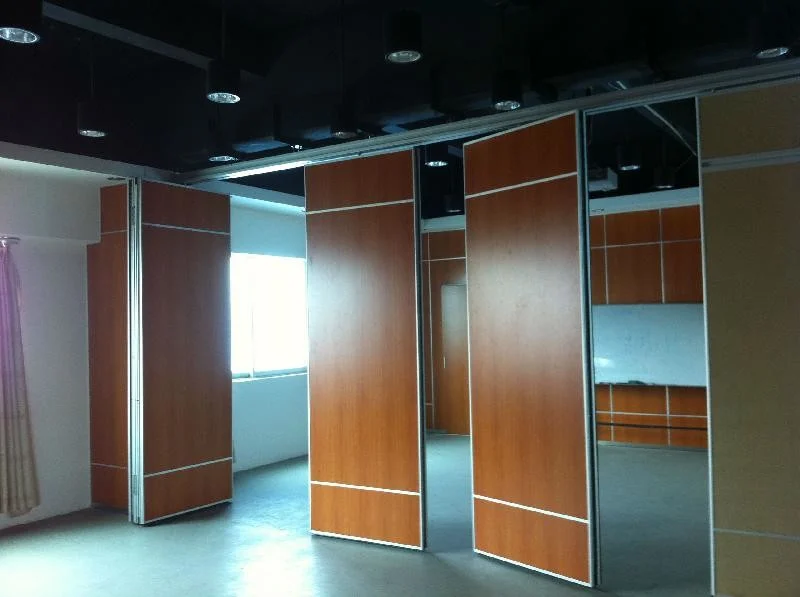
Panel handling and the operating sequence must be confirmed for the selected layout and project conditions. A fast answer without supporting information often creates a second query. For movable partitions, useful evidence may include layout drawings showing the straight, turning and stacking routes, finish references, and written confirmation of pass-door requirements.
Those topics require separate project-specific confirmation. If a query asks for performance data, the response should state what can be confirmed and what still needs review.
Use a Decision Checklist for Each Query
The checklist below helps reviewers decide whether a query is truly closed or simply answered.
- Is the query linked to a specific drawing, room or interface?
- Does the response name the responsible party and date?
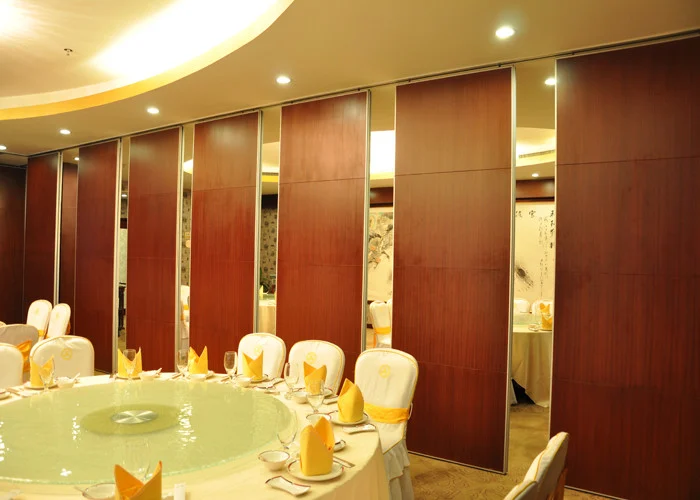
- Are finish options such as laminate, melamine, fabric, leather or glass addressed where relevant?
- Is the parking position and stacking route confirmed against the layout?
- Are pass-door requirements and project documentation discussed?
- Is any performance claim supported by project-specific evidence, or clearly marked as unconfirmed?
- Does the response avoid implying that panels can travel across an untracked gap?
Common Coordination Gaps That Slow Responses
Most delays come from missing inputs rather than unwillingness. The table below maps common gaps to the information that usually unblocks them.
| Gap | What Is Often Missing | Useful Next Step |
|---|---|---|
| Route not confirmed | Straight, turning and stacking paths not marked on layout | Request a marked-up layout for review |
| Finish not selected | No approved surface direction | Confirm finish options against project requirements |
| Pass-door unclear | No written requirement | Discuss pass-door needs and documentation |
| Acoustic question | Request for a single number without context | Explain STC/Rw conceptually and confirm project-specific requirements |
Any acoustic requirement needs project-specific review.
Review the Audit Without Overclaiming
At the end of the tender period, summarize response times by category. Avoid presenting the audit as proof of product performance or project success. The audit shows communication patterns, not engineering outcomes.
Where a query remains open, record the exact information still required. This gives the project team a clear path to close the tender without inventing conclusions.
Frequently Asked Questions
What is a movable partition tender query response time audit?
It tracks dates, owners, evidence and open items.
Does the audit measure acoustic performance?
No. It measures communication and documentation flow.
Which finish options can be discussed during the audit?
Confirmed finish options include laminate, melamine, fabric, leather, glass and other approved surfaces. Selection still depends on project requirements.
How should route questions be handled?
Straight, turning and stacking routes should be reviewed from the layout. Every proposed movement path requires a continuous connected overhead route and project-specific support review.
Can pass-door requirements be included?
Yes. Pass-door requirements and project documentation can be discussed as part of the tender query process.
What should happen when evidence is missing?
Record the gap clearly and state what still needs confirmation. Do not fill the gap with assumed performance, dimensions or commercial outcomes.
Conclusion and Next Steps
Log every query, assign an owner, attach evidence and review open items weekly. Keep performance, support and dimensional questions tied to project-specific confirmation.
To discuss your project drawings, finish direction or pass-door requirements, contact EBUNGE. You can also review movable wall products and browse project resources for further planning context.