
Quick project answer
Review focus: movable partition tender.
Movable partition tender unbalanced pricing detection is the discipline of comparing returned prices against the actual scope, routes and documentation a project requires. Unbalanced pricing appears when a bidder shifts cost away from visible line items and into assumptions, exclusions or later variations. The goal is not to guess a hidden number; it is to make every assumption visible before award.
Why Unbalanced Pricing Appears in Movable Partition Tenders
Project review term: movable partition tender.
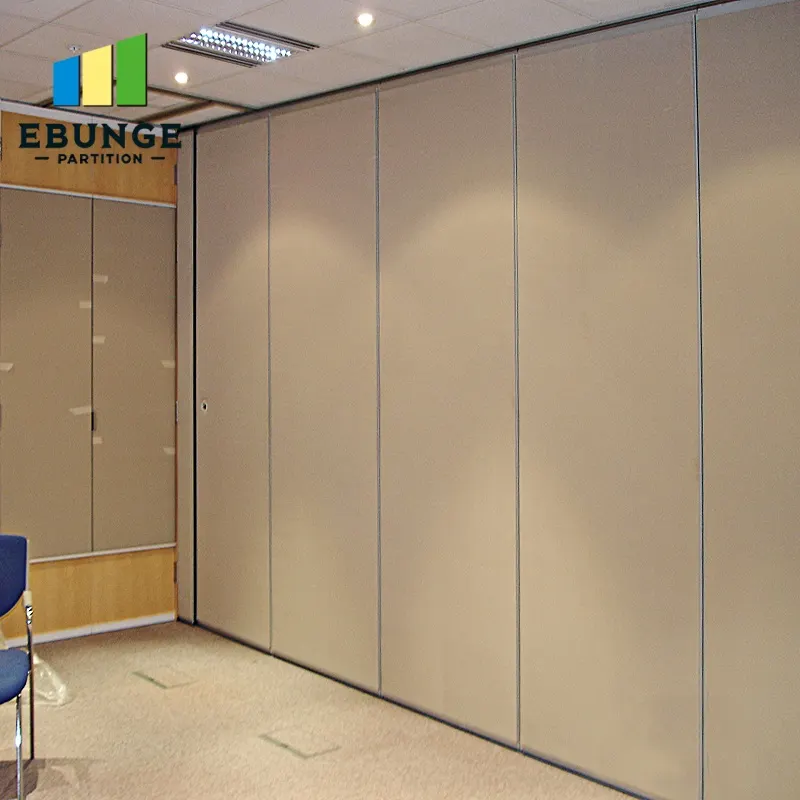
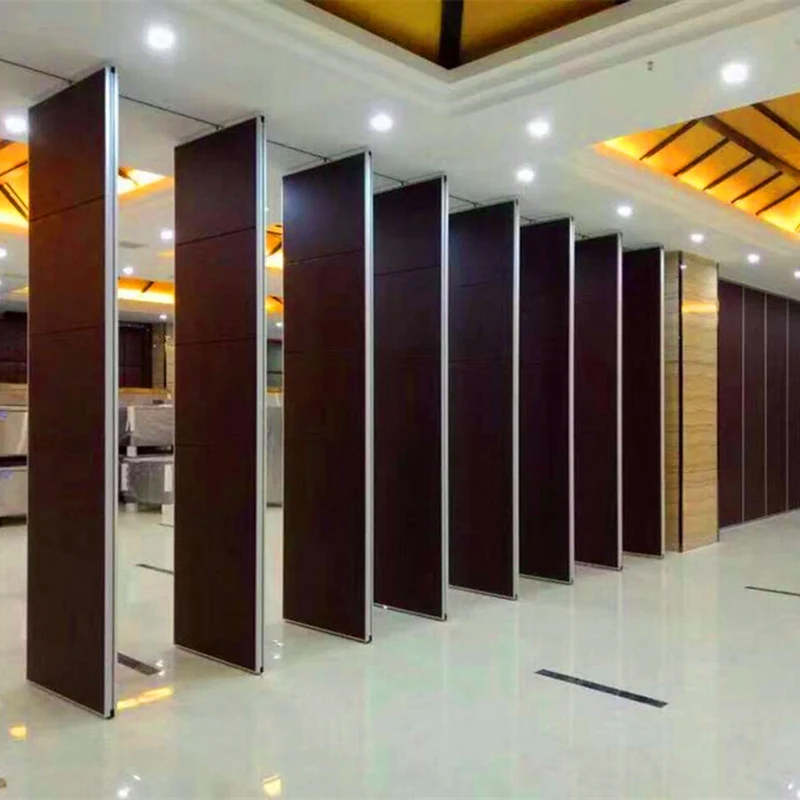
Movable partitions are configured systems. Panels are individually movable, suspended from a top track, cross the opening without a floor track, and park at a planned stacking position. Because the visible product is only part of the scope, tender returns can look comparable while describing different levels of coordination.
A low headline figure may exclude route review, interface checks or documentation. A higher figure may include items another bidder has left for a variation. Neither is automatically wrong, but the difference must be identified before comparison.
Start With the Drawing and Route Review
Coordination scope: movable partition tender.
Straight, turning and stacking routes are reviewed from the layout. This is the first place unbalanced pricing hides, because a bidder may price a simple straight run while the drawing shows turning or stacking movements.
What to Confirm on Every Route
- Where panels park and whether the stacking position is shown on the layout.
- Whether the overhead route is continuous and connected across the full movement path.
- Whether pass-door requirements are described and included.
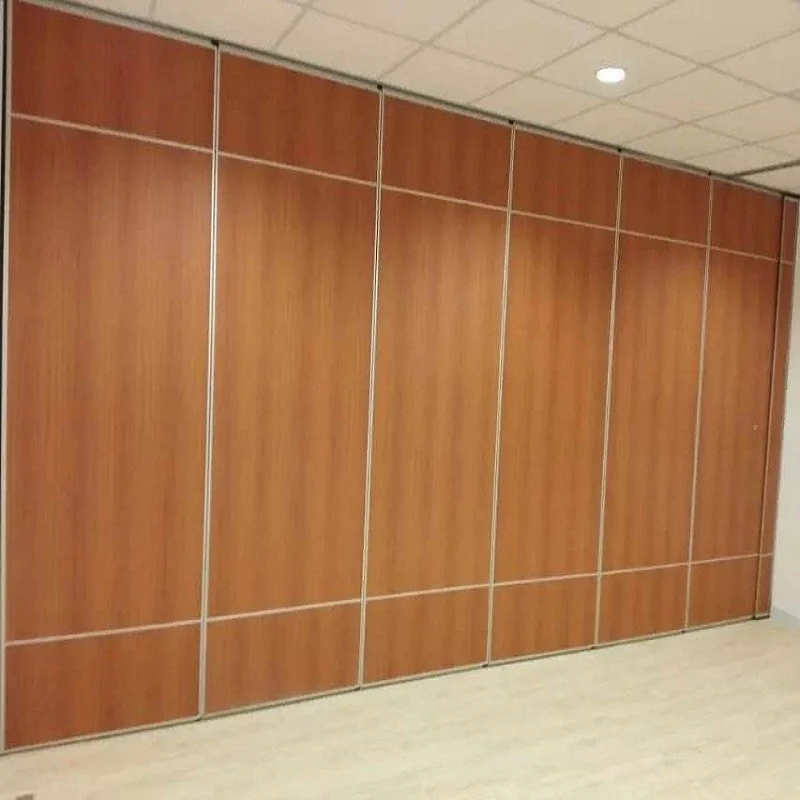
- Whether the finish schedule matches the approved options: laminate, melamine, fabric, leather, glass and other approved surfaces.
If a return does not address these points, treat the missing scope as an open question rather than assuming it is included.
Build a Scope Comparison Before Comparing Prices
Checklist focus: movable partition tender.
The suitability of each route and parking arrangement depends on the approved layout, circulation, ceiling interfaces and operating sequence. Without a common list, a lower price may simply reflect a narrower offer.
| Scope item | What to look for in the return | Risk if unclear |
|---|---|---|
| Route and layout review | Reference to straight, turning and stacking routes | Movement path may not be coordinated |
| Parking position | Stated stacking location from the layout | Space planning may be incomplete |
| Finish schedule | Named approved surface options | Finish assumptions may differ |
| Pass doors | Requirement discussed and documented | Access may become a later change |
| Documentation | Project documentation discussed | Review and approval scope may be unclear |
This table is a review aid, not a pricing formula. It helps a project team see where one return carries scope another return leaves open.
Read Exclusions and Assumptions Carefully
Review focus: movable partition tender.
Exclusions are not automatically a warning sign, but they are the clearest signal of unbalanced pricing when they are vague. A return that excludes “site conditions” or “interface works” without defining them leaves cost unresolved.
Questions That Expose Hidden Assumptions
- Which drawings and revisions were used to prepare the price?
- Which routes were reviewed, and which were assumed?
- Which finishes were priced, and which remain open?
- Which documentation items are included, and which are excluded?
- Which items depend on project-specific support, acoustic or dimensional confirmation?
When answers differ between bidders, the price difference is often a scope difference rather than a value difference.
Use Evidence Notes to Separate Facts From Inference
Evidence note: A visible finish, drawing or photograph does not by itself prove acoustic performance, structural capacity, cleaning compatibility or a application reference. Those points require project-specific confirmation.
If acoustic requirements matter, ask how they will be confirmed for the specific project rather than accepting a generic statement.
Similarly, do not infer support, load or engineering outcomes from a layout alone. Confirm project-specific support, acoustic and dimensional requirements with the responsible parties.
Coordinate Procurement and Tender Review Across Disciplines
Unbalanced pricing often survives because each reviewer sees only part of the picture. Procurement sees the price, the architect sees the drawing, and the contractor sees the site. A short coordination step closes that gap.
A Practical Review Sequence
- Collect all returns against one scope list.
- Mark every exclusion, assumption and open item.
- Compare route, parking, finish and pass-door descriptions.
- Flag any statement that requires project-specific evidence.
- Issue clarification questions before normalizing prices.
- Re-compare only after answers are received in writing.
This sequence does not guarantee a correct award. It does make the basis of each price more visible, which is the practical purpose of detection.
Common Detection Mistakes to Avoid
One mistake is treating the lowest total as the most complete offer. Another is assuming a missing item will be inexpensive to add later. A third is accepting a performance statement without asking how it will be confirmed.
Movable partitions can be considered wherever flexible spatial division, combination or reconfiguration is required. Named venues are examples only. The same review discipline applies to conference rooms, training spaces, hotel function areas, schools and office renovations.
For maintained product context, see the movable walls product page. For broader planning material, review the resources section. When a return needs clarification, contact the team to discuss project documentation and pass-door requirements.
FAQ: Detecting Unbalanced Pricing in Movable Partition Tenders
What is unbalanced pricing in a movable partition tender?
It is a pricing pattern where a return appears low or high because scope, assumptions or exclusions differ from other returns. Detection means making those differences visible before award.
Does a low return always indicate unbalanced pricing?
No. A low return may reflect a narrower but clearly stated scope. The concern is unclear scope, not the number alone.
Which drawings should bidders review?
Bidders should review the layout drawings that show straight, turning and stacking routes, parking positions and pass-door requirements. Confirm which revisions were used.
How should acoustic terms be compared?
Ask how acoustic requirements will be confirmed for the specific project.
Can finish options affect price comparison?
Finish options such as laminate, melamine, fabric, leather, glass and other approved surfaces can change scope. Compare the named finish schedule, not just the total.
What should happen before prices are normalized?
Issue clarification questions in writing and receive answers. Then compare returns against the same scope list so differences are visible.
Conclusion: Make the Basis of Each Price Visible
Movable partition tender unbalanced pricing detection is not about finding a hidden number. It is about aligning every return to the same routes, parking positions, finishes, pass-door requirements and documentation expectations. Confirm project-specific support, acoustic and dimensional requirements before drawing conclusions.
If your team is reviewing returns and needs a structured discussion, contact EBUNGE to talk through project documentation and configuration questions.