
Quick answer: acoustic evidence request workflow
Review focus: acoustic evidence request workflow.
An acoustic evidence request workflow movable partition tender is a controlled process for asking suppliers to show what they can support with documentation, rather than accepting performance labels at face value. For overseas contractors, architects, interior designers, owners and procurement teams, the goal is to keep every acoustic statement traceable to a drawing, a specification clause or a project-specific confirmation. This guide sets out a repeatable workflow that binds each request to maintained product facts and visible evidence limits.
Why an Evidence Request Workflow Matters in Tender Review
Project review term: acoustic evidence request workflow.
Movable partition tenders often arrive with acoustic labels copied from previous projects. A label alone does not tell you whether the proposed configuration matches your opening, your stacking position or your finish schedule. The workflow below separates what a supplier can state publicly from what must be confirmed for your project.
The suitability of each route and parking arrangement depends on the approved layout, circulation, ceiling interfaces and operating sequence. Visible references can support layout discussion but do not verify hidden construction or performance.
Step 1: Assemble the Project Information Pack
Coordination scope: acoustic evidence request workflow.
Before issuing an acoustic evidence request, gather the information a supplier needs to respond usefully. Missing inputs are the most common cause of vague tender answers.
- Dimensioned opening drawings showing the full partition line and any turning points.
- Planned stacking position and the route panels will travel to reach it.
- Finish schedule indicating laminate, melamine, fabric, leather, glass or other approved surfaces.
- Pass-door requirements, including location and intended use.
- Adjacent room uses and any project-specific acoustic targets already set by the design team.
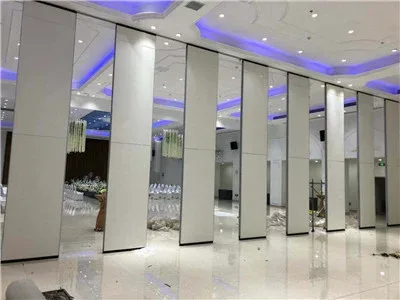
EBUNGE movable wall panels are individually movable, suspended from a top track, cross the opening without a floor track, and park at a planned stacking position. Straight, turning and stacking routes are reviewed from the layout. If your pack does not show these routes, the acoustic discussion cannot be tied to a real configuration.
Step 2: Define What Evidence You Are Requesting
Checklist focus: acoustic evidence request workflow.
An evidence request should name the document type, the configuration it applies to, and the boundary of the claim. Avoid asking only for a performance number.
Evidence categories to request
- Product literature describing the movable wall system and its operating concept.
- Finish options relevant to your schedule, such as laminate, melamine, fabric, leather or glass.
- Acoustic documentation that states the tested or assessed configuration, not just a headline figure.
- Drawings or schematics showing how the system meets the opening and parks at the stacking position.
- Statements of what remains project-specific, including support, dimensional and acoustic confirmation.
Where a supplier cannot provide a document, record that as a gap. A gap is useful information in a tender comparison.
Step 3: Log Requests and Responses in a Tender Register
A simple register keeps the workflow auditable. Each row should capture the request, the response, the evidence reference and the remaining open question.
| Field | Purpose |
|---|---|
| Request ID | Links the question to the tender clarification log. |
| Configuration | Records the opening, route and stacking position the evidence relates to. |
| Evidence supplied | Names the document and what it actually covers. |
| Boundary | States what is not covered and needs project-specific confirmation. |
| Status | Open, answered, or referred to drawing review. |
This structure prevents a later claim from being detached from the configuration it was meant to describe.
Step 4: Review Evidence Against the Layout
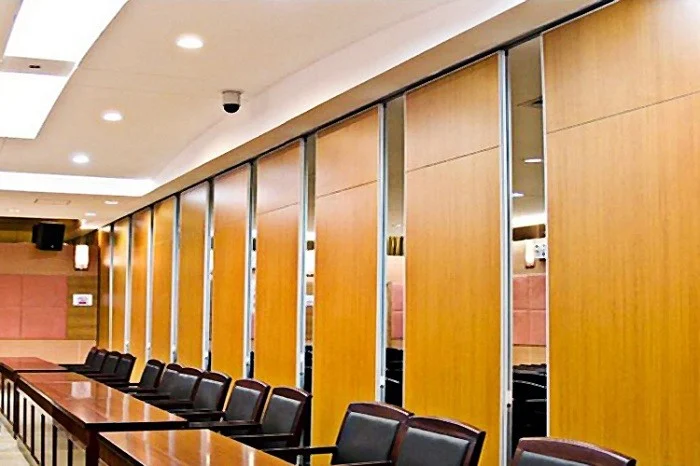
Evidence review is a drawing exercise. Check that the submitted documents match the straight, turning and stacking routes shown in your layout. The exact route, junction arrangement, continuous overhead path and parking position must be confirmed from the coordinated project drawings.
Finish choices also affect the review. Ask instead whether the named finish is available and how it interacts with the proposed configuration.
Step 5: Handle Acoustic Claims Carefully
When a tender response includes an acoustic rating, ask three questions: What configuration was assessed? What was the test or assessment method? What site conditions were assumed? If the answer does not match your opening, your seals or your adjacent construction, the figure should not be transferred to your project without confirmation.
Evidence note: a published acoustic rating describes a defined assembly under defined conditions. It does not promise that the same result will be achieved in every building, and it should never be reduced to a simple decibel count.
Seals and acoustic concepts can be explained generically, but the specific seal type, panel build and installation detail must be confirmed for your project. Do not infer hidden performance from a visible shape or finish.
Step 6: Close the Loop Before Award
Before recommending an award, confirm that every acoustic statement in the tender is either supported by supplied evidence or clearly marked as requiring project-specific confirmation. Confirm pass-door requirements and project documentation directly with the supplier. If a claim remains unsupported, remove it from the comparison rather than carrying it forward.
Use the movable walls product page to review the maintained system description, and the resources section for general planning context. Neither replaces a project-specific review of your drawings, support conditions and acoustic requirements.
Frequently Asked Questions
What is an acoustic evidence request workflow in a movable partition tender?
It is a structured way of asking suppliers to provide documentation that supports each acoustic statement, and of recording what remains project-specific. It keeps the tender comparison tied to drawings and confirmed facts rather than headline labels.
Can a supplier guarantee a specific acoustic result for my project?
No responsible supplier should promise a site result without reviewing your configuration, support conditions and adjacent construction.
Do movable partitions need a floor track for acoustic performance?
EBUNGE movable wall panels are top-hung and cross the opening without a floor track. The acoustic discussion should focus on the full assembly and the project conditions, not on the presence of a floor track.
Which finish options should be listed in the evidence request?
List the finishes you intend to specify, such as laminate, melamine, fabric, leather, glass or other approved surfaces. Ask the supplier to confirm availability and any project-specific considerations for the proposed configuration.
How should pass-doors be handled in the workflow?
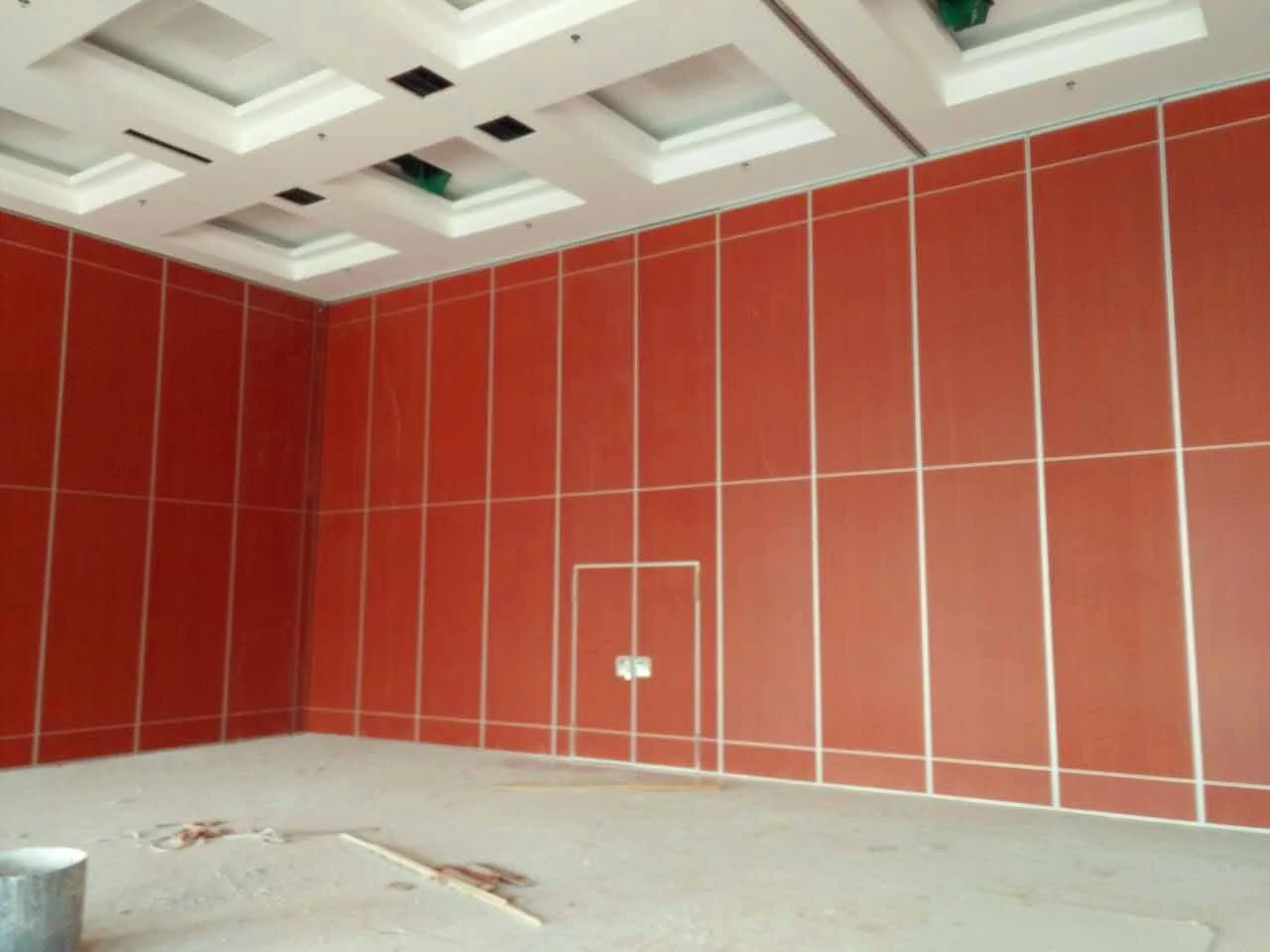
Include pass-door requirements in the information pack and ask the supplier to confirm how they are addressed in the proposed layout. Pass-door details can affect the opening and should be discussed alongside the acoustic evidence request.
What should happen if evidence is missing?
Record the gap in the tender register and treat it as an open item. Do not fill the gap with assumptions about performance, cost or engineering outcomes. Missing evidence is a valid reason to seek clarification before award.
Conclusion and Next Steps
A disciplined acoustic evidence request workflow movable partition tender process protects the whole project team. Start with a complete information pack, request defined evidence, log every response, and close open items before award.
To discuss pass-door requirements, project documentation or a specific tender configuration, contact the EBUNGE team and share your layout for review.