
Quick answer: movable partition changeover plan version control supersession register
Review focus: movable partition changeover plan version control supersession register.
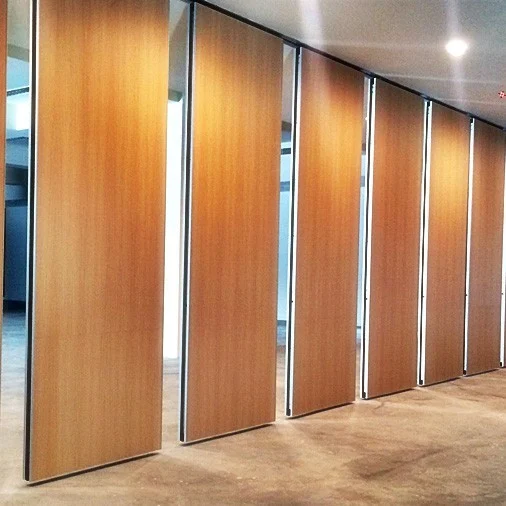
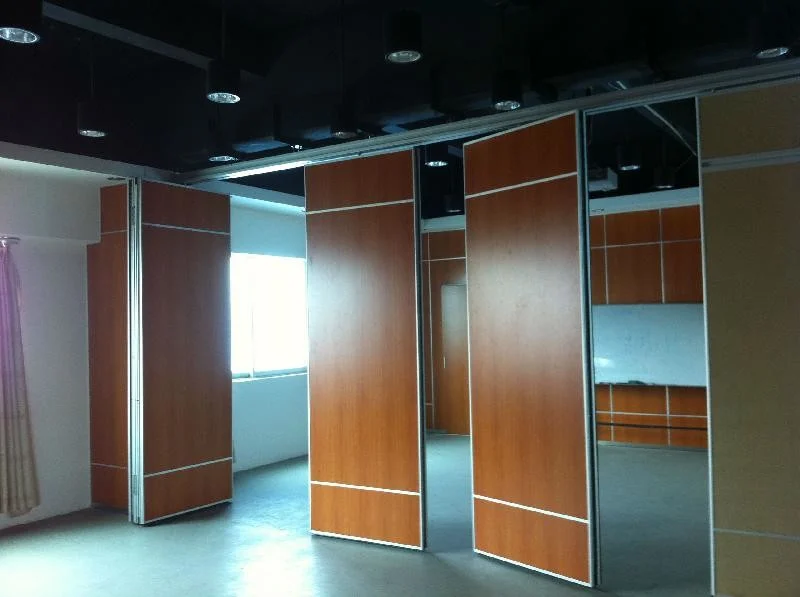
In flexible venues, the difference between a smooth room turnaround and a confused one is often not the wall itself but the paperwork behind it. A movable partition changeover plan version control supersession register gives facility and operations teams one controlled source of truth: which reconfiguration sequence is current, which is withdrawn, and which instructions a crew should actually follow. Because EBUNGE movable partition panels are individually movable, top-hung and travel without a continuous floor track, the operating sequence depends on the coordinated layout, the approved stacking position and the routes reviewed from the drawings. Version control keeps those decisions aligned as the building evolves.
Why Changeover Plans Drift Out of Control
Project review term: movable partition changeover plan version control supersession register.
Changeover plans rarely fail because nobody wrote them down. They fail because several versions exist at once. A contractor issues a revised sequence, a designer updates a room layout, an owner adds a new event format, and the old instructions stay pinned in a service corridor. Crews then work from whichever copy they find first.
Movable partitions make this drift more visible. Panels are suspended from a top track, cross the opening without a floor track and park at a planned stacking position. If the approved sequence changes, the parking position, the order of movement and the route through the room may all change with it. The suitability of each route and parking arrangement depends on the approved layout, circulation, ceiling interfaces and operating sequence.
The Supersession Register: One Row per Plan
Coordination scope: movable partition changeover plan version control supersession register.
A supersession register is a simple control log. Each row records one changeover plan, its status and the plan that replaces it. The register does not need to be complex, but it must be authoritative and accessible to everyone who reconfigures the space.
| Register field | What it records | Why it matters |
|---|---|---|
| Plan ID and revision | Unique identifier and revision number | Prevents two documents sharing one name |
| Room or zone | The space the sequence applies to | Stops plans being used in the wrong area |
| Status | Draft, approved, superseded or withdrawn | Shows what may be used on site |
| Superseded by | The plan ID that replaces it | Creates a traceable chain of revisions |
| Approval date | When the current plan was accepted | Confirms the active version |
| Distribution | Where copies are held or displayed | Supports withdrawal of old copies |
Keep the register under one owner. If several departments can edit it, it stops being a control document and becomes another opinion.
Version Control Rules That Crews Can Follow
Checklist focus: movable partition changeover plan version control supersession register.
Version control works when the rules are visible at the point of use, not buried in a project folder. The following numbered process is a practical starting point for facility teams.
- Assign a unique plan ID and revision to every changeover sequence before it is issued.
- Mark the status clearly on the first page: draft, approved, superseded or withdrawn.
- Record the supersession in the register on the same day the replacement plan is approved.
- Withdraw physical copies from the room, store and service areas, and replace them with the current revision.
- Confirm that the approved sequence still matches the coordinated layout, stacking position and reviewed routes.
- Review the register at each handover, refurbishment or layout change.
Step five is the one teams skip. Version control protects the document; drawing review protects the operation.
Confirming Which Instructions Crews Are Actually Using
Review focus: movable partition changeover plan version control supersession register.
It is not enough to publish a current plan. Operations teams should be able to confirm, on any given day, which revision a crew is working from. This is an evidence question, not a paperwork question.
Visible checks at the point of use
Ask the crew to show the plan they are using and compare its revision number with the register. If the numbers differ, the register is not yet controlling the operation. Check the room, the stacking area and any secondary copy that may still be displayed.
Handover and shift records
Where changeover is part of a shift routine, a short record of the plan revision used can close the loop. This is not about surveillance; it is about knowing whether the approved sequence reached the floor.

Change triggers
Any change to the room layout, the approved stacking position or the reviewed movement route should trigger a plan review. So should a new event format that the current sequence was not written for. Treat these as revision triggers, not informal adjustments.
What Version Control Cannot Confirm
Project review term: movable partition changeover plan version control supersession register.
A supersession register controls documents. Those are project-specific matters that require their own evidence and review.
If acoustic separation matters for a space, confirm the requirement with the project team and review the supporting documentation for that specific configuration.
Evidence note: a current revision number proves only that a document is controlled. It does not prove that the partition configuration, support, acoustic condition or dimensional fit has been verified for the project.
Coordinating Version Control with Project Drawings
Coordination scope: movable partition changeover plan version control supersession register.
Changeover plans sit downstream of the coordinated layout. Straight, turning and stacking routes are reviewed from the drawings, and the approved parking position follows from that review. When the drawings change, the operating sequence may need to change with them.
For overseas project teams, the practical link is a drawing register that mirrors the plan register. Each approved changeover plan should reference the drawing revision it was written against. If the drawing moves on and the plan does not, the plan is no longer current even if nobody has formally superseded it.
Finish choices can also affect how a room is used and how panels are handled in service. Confirmed finish options include laminate, melamine, fabric, leather, glass and other approved surfaces. Where a finish is changed, check whether the changeover plan needs a new revision and whether any handling guidance should be updated.
Building the Register into Daily Operations
Checklist focus: movable partition changeover plan version control supersession register.
The register only works if it is part of the routine. Give it a named owner, a review rhythm and a place in handover. Keep a single controlled copy in the room or service area, and make sure superseded copies are physically removed rather than left beside the current one.
Where pass-door requirements or project documentation need to be discussed, bring those questions into the same review cycle so that the operating sequence and the project record stay aligned. Confirm project-specific support, acoustic and dimensional requirements with the project team before relying on any plan.
Frequently Asked Questions
What is a supersession register for movable partition changeover plans?
It is a control log that records each changeover plan, its status and the plan that replaces it. It shows which revision is approved for use and which versions have been withdrawn.
How often should changeover plans be reviewed?
Review at each handover, refurbishment or layout change, and whenever the approved stacking position or reviewed movement route changes. The right frequency depends on how often the space is reconfigured.
Does version control confirm acoustic performance?
No. Version control confirms which document is current.
Can crews keep using an older plan if it still works?
Only if it remains the approved revision. If a replacement has been approved, the older plan should be withdrawn so that crews work from one controlled sequence.
Who should own the register?
One named owner within the facility or operations team, supported by a clear review rhythm and a defined distribution list for current copies.
What should trigger a new revision?
Changes to the room layout, stacking position, movement route, finish selection or event format can all justify a review and, where needed, a new revision.
Conclusion and Next Step
Movable partition changeover plans are operational documents, and operational documents need the same discipline as drawings. A version control and supersession register gives facility teams a defensible answer to a simple question: which instructions are the crew actually working from? Keep one owner, one current copy and one clear chain of supersession, and review the plan whenever the coordinated layout changes.
To discuss your project’s changeover planning, pass-door requirements or documentation needs, contact the EBUNGE team. You can also review the movable wall product range and the planning resources before your next coordination meeting.