
Quick answer: architect coordination interface decision ownership
Review focus: architect coordination interface decision ownership.
An architect coordination interface decision ownership transfer register movable partition projects rely on is not a drawing set. It is a live record of who currently owns each interface decision, what evidence supports it, and when that ownership passed to another discipline. Movable partition panels are individually movable, suspended from a top track, cross the opening without a floor track, and park at a planned stacking position. Those four behaviours touch architecture, structure, ceiling design and services. When a team member leaves mid-design, the decision can leave with them unless ownership is written down.
Why Interface Decisions Become Orphaned
Project review term: architect coordination interface decision ownership.
Most coordination failures are not technical disagreements. They are quiet gaps. The suitability of each route and parking arrangement depends on the approved layout, circulation, ceiling interfaces and operating sequence. A stacking position is agreed verbally, then the interior layout changes and nobody reopens the question. A ceiling zone is coordinated for one ceiling type, then the ceiling specification changes.
Personnel changes accelerate this. A new team member inherits drawings, not conversations. If the register does not state who owns a decision, the newcomer may assume someone else holds it, or may reopen a settled point and create rework.
What the Register Must Record
Coordination scope: architect coordination interface decision ownership.
A useful register is short per row but complete. Each row should describe one interface decision, not a whole discipline package. Keep the language neutral and evidence-linked.
- Decision ID and short description — for example, overhead route across the opening, or parking zone boundary.
- Current owner — the single named discipline or role accountable now.
- Previous owner and transfer date — so the handover chain is visible.
- Status — open, coordinated, or confirmed pending project-specific review.
- Evidence reference — the drawing, mark-up, meeting note or request that supports the current position.
- Open questions — what still needs confirmation before the decision can be treated as settled.
- Next review trigger — the event that should reopen the row, such as a ceiling change or layout revision.
Do not record performance conclusions in the register. Record the decision and the evidence that supports it.
Track, Stack and Ceiling: Three Decision Families
Checklist focus: architect coordination interface decision ownership.
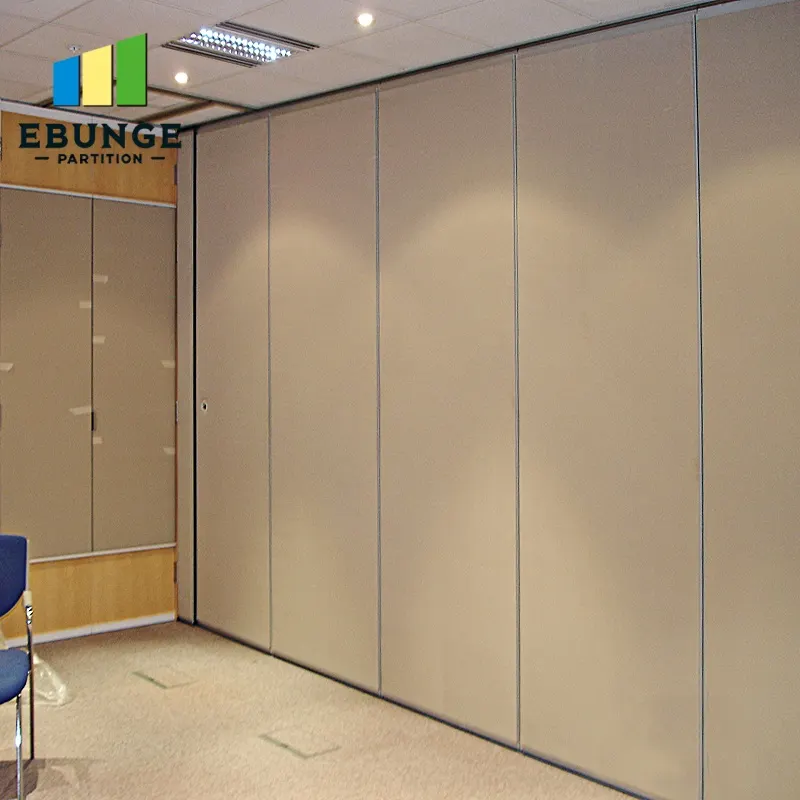
The three families below cover most design-phase coordination points for top-hung movable walls.
Track and overhead route
The route must be continuous and connected wherever panels are expected to travel. Straight, turning and stacking routes are reviewed from the layout, and every proposed movement path needs a continuous overhead route with project-specific support review. The exact route, junction arrangement, continuous overhead path and parking position must be confirmed from the coordinated project drawings.
Stacking and parking position
Parking style is customized to the layout and project requirements, and may support compact stacking when the coordinated design permits it. The register should record the agreed parking zone, who owns its boundary, and what happens if adjacent room layouts change. A parking decision is rarely isolated; it usually depends on door swings, furniture zones and ceiling features.
Ceiling interface
Ceiling decisions include the zone above the track route, coordination with ceiling services, and access assumptions for future inspection. The register should identify the ceiling owner and the trigger that reopens the row if the ceiling specification changes.
A Numbered Transfer Process
Review focus: architect coordination interface decision ownership.
- Open a row when an interface decision is first raised, even if the answer is not yet known.
- Assign one owner and record the date. Avoid shared ownership; shared ownership is where decisions stall.
- Attach evidence to the row as soon as a drawing or note supports the position.
- Transfer formally when responsibility moves. Record the previous owner, the new owner, the date and the reason.
- Review before drawing issue so no row remains open without a named owner.
- Close with a confirmation note that states what was confirmed and what still requires project-specific review.
Compact Comparison: Weak Versus Strong Register Practice
Project review term: architect coordination interface decision ownership.

| Practice | Weak register | Strong register |
|---|---|---|
| Ownership | Team or discipline group | One named role per row |
| Evidence | Verbal agreement | Drawing, mark-up or note reference |
| Transfer | Unrecorded | Dated handover with reason |
| Review | Only at final issue | Triggered by layout or ceiling changes |
| Scope | Performance conclusions | Interface decisions and open questions |
Evidence Boundaries for the Register
Record what has been decided and what evidence supports it. Do not infer structural capacity, acoustic performance, load paths, support points or installation outcomes from a drawing, finish sample or photograph. Those require project-specific confirmation.
Pass-door requirements and project documentation can also be discussed, and should be logged as their own rows rather than folded into a general note.
Keeping the Register Alive Through Team Changes
A register that is updated only at milestones will drift. Assign a register keeper whose role is administrative rather than technical: they chase owners, confirm dates and flag rows that have been open too long. When a team member leaves, run a short handover review of every row they owned and transfer each one explicitly.
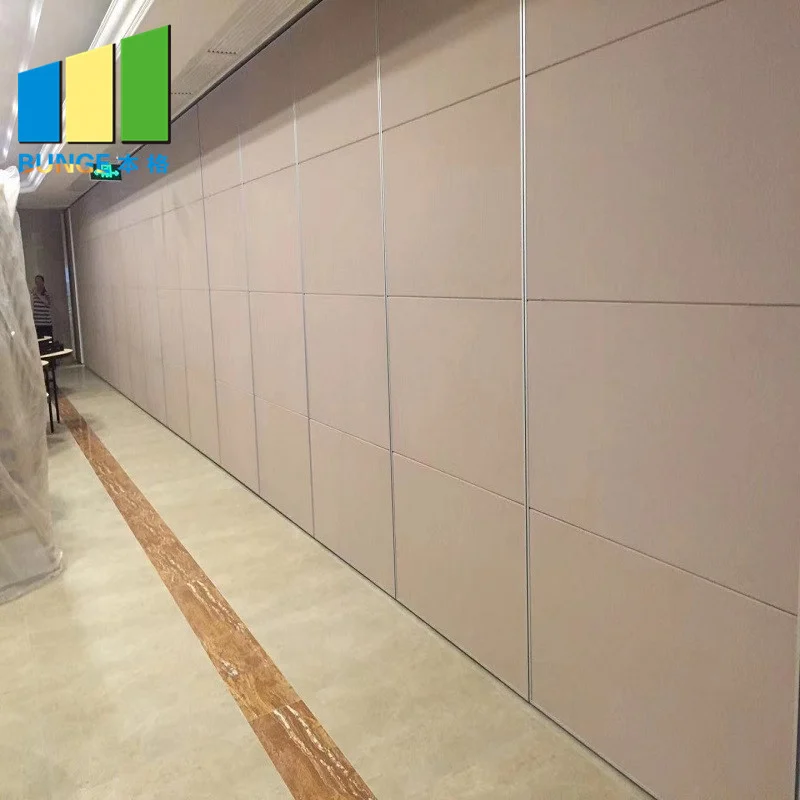
Before drawing issue, check that every row has a current owner, a status and an evidence reference. Rows that still need project-specific support, acoustic or dimensional confirmation should be listed openly rather than closed prematurely.
FAQ
Who should own the register?
Usually the design coordinator or a nominated architectural role. The owner of the register is not the owner of every decision; each row still needs its own accountable discipline.
How many rows should a register contain?
Enough to cover each track, stack and ceiling interface decision. The number depends on layout complexity, the number of openings and the number of disciplines involved.
Can the register replace coordinated drawings?
No. It supplements drawings by recording ownership, status and evidence. Drawings remain the primary technical record.
What should happen when a decision changes?
Reopen the row, record the new position, update the evidence reference and confirm the current owner. Do not overwrite the previous entry without a dated note.
Does the register confirm acoustic performance?
No. The register should record that a review is required, not assert a result.
When should the register be reviewed?
At each design milestone, before drawing issue, and whenever a layout, ceiling or team change affects an open row.
Conclusion and Next Step
A decision ownership transfer register turns informal coordination into a traceable record. It does not replace engineering judgement or project-specific confirmation, but it prevents track, stack and ceiling decisions from being orphaned when people move on. Start with the three interface families, assign one owner per row, and review before every drawing issue.
To discuss project documentation, pass-door requirements or finish options for a specific layout, contact the EBUNGE team. You can also review the movable wall product range and the planning resources before your next coordination meeting.