
Quick answer: tender evaluation criteria weighting disclosure
Review focus: tender evaluation criteria weighting disclosure.
Movable partition wall tender evaluation criteria weighting disclosure verification is the discipline of confirming that the scoring weights published in a tender package are the same weights the evaluation team actually applies before award. For overseas contractors, architects, interior designers, owners and renovation teams, this is not a paperwork formality. The suitability of each route and parking arrangement depends on the approved layout, circulation, ceiling interfaces and operating sequence. This framework helps procurement reviewers test disclosure against the evaluation model without inventing performance, engineering or commercial conclusions.
Why Weighting Disclosure Verification Matters Before Award
Project review term: tender evaluation criteria weighting disclosure.
A movable partition wall package usually combines several decision dimensions: spatial layout, movement routes, parking position, finish selection, pass-door requirements and project documentation. When a tender publishes weights for these dimensions, bidders price and design toward them. If the evaluation model later applies different weights, the published criteria become misleading.
Verification protects the integrity of the comparison. The goal is not to challenge every number, but to confirm that the disclosed model and the applied model are the same model.
What the Tender Package Should Disclose
Coordination scope: tender evaluation criteria weighting disclosure.
Disclosure should be specific enough that a bidder can understand how responses will be compared. The exact overhead route and support arrangement must be confirmed by the responsible project team from coordinated drawings.
Core disclosure elements
- The named evaluation dimensions and their published weights.
- The scoring scale or ranking method used for each dimension.
- The documents, drawings or samples required as evidence.
- The stage at which clarification questions may be asked.
- The person or committee responsible for applying the weights.
Where a dimension depends on project-specific review, such as support conditions or acoustic requirements, the disclosure should say that confirmation is required rather than imply a fixed outcome.
A Reviewer’s Step-by-Step Verification Process
Checklist focus: tender evaluation criteria weighting disclosure.
Use a repeatable sequence so that verification is documented rather than assumed. The steps below are administrative; they do not replace project-specific engineering, acoustic or dimensional confirmation.
- Collect the published tender documents, including any addenda.
- Extract every stated evaluation dimension and its published weight.
- Request the evaluation model actually used by the scoring committee.
- Compare dimension names, weights and scoring scales line by line.
- Check that each dimension has a defined evidence requirement.
- Record any mismatch, ambiguity or missing definition.
- Issue a clarification before the evaluation begins, not after.
- Confirm the corrected model in writing before award.
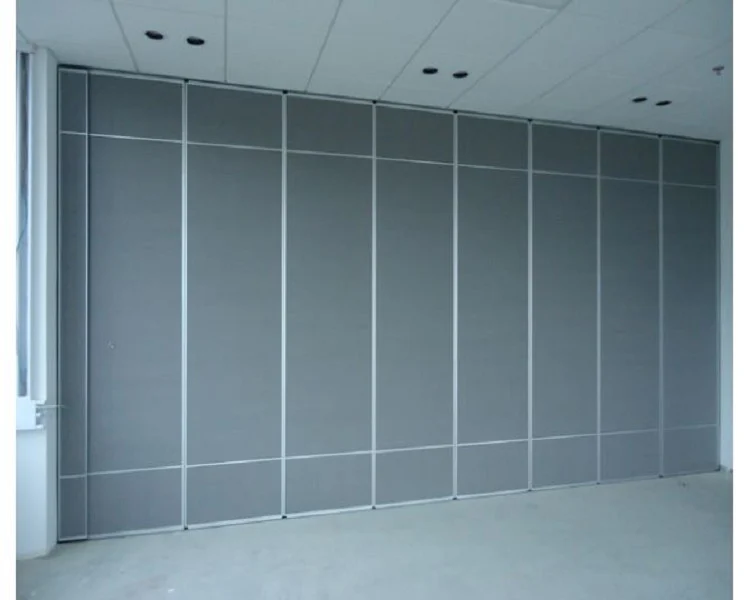
This sequence keeps the review auditable and gives bidders a fair basis for their submissions.
Common Weighting Disclosure Gaps in Partition Packages
Review focus: tender evaluation criteria weighting disclosure.
Partition tenders often inherit evaluation templates from unrelated scopes. That inheritance creates predictable gaps.
Gaps reviewers frequently find
- Weights published as ranges rather than fixed values.
- Dimensions named in the tender but absent from the scoring sheet.
- Scoring sheets that add dimensions not disclosed to bidders.
- Evidence requirements described vaguely, such as ‘relevant documentation’.
- Layout-dependent criteria, such as turning or stacking routes, weighted without a stated review method.
Each gap should be resolved by clarification.
Compact Comparison: Published Weight vs Applied Weight
| Review point | Published disclosure | Applied evaluation model | Reviewer action |
|---|---|---|---|
| Dimension name | Listed in tender | Listed in scoring sheet | Confirm exact match |
| Weight value | Fixed percentage or points | Same value applied | Flag any variance |
| Scoring scale | Defined method | Same method used | Request clarification if unclear |
| Evidence required | Named submission items | Items actually assessed | Confirm alignment |
| Project-specific review | Stated as requiring confirmation | Confirmed per project | Document the confirmation |
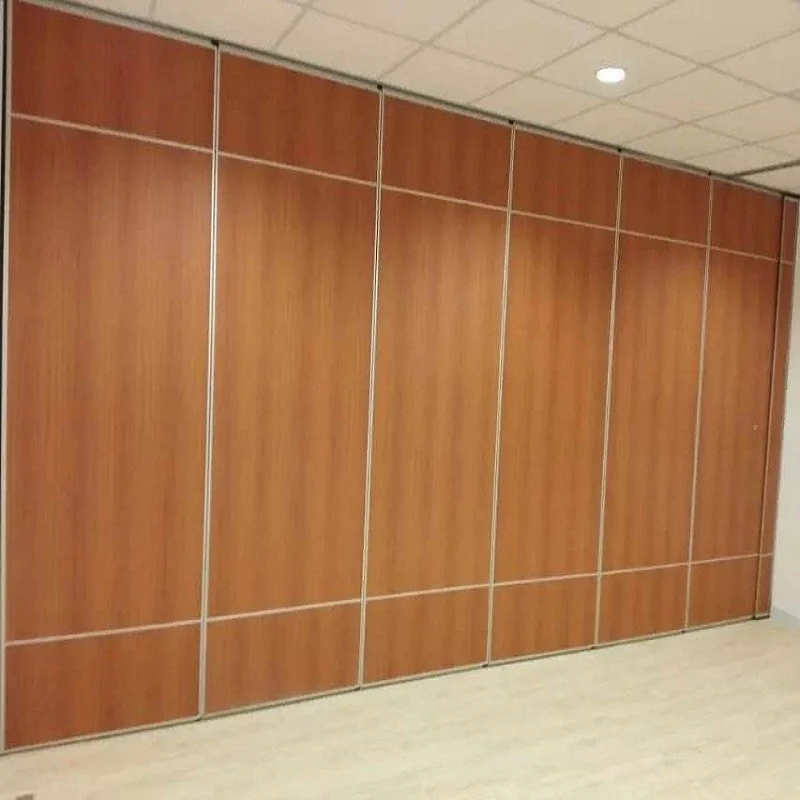
The table is a comparison tool, not a performance claim. It helps reviewers see where disclosure and application diverge.
Evidence Boundaries Reviewers Should Respect
Verification depends on evidence. Visible references can support layout discussion but do not verify hidden construction or performance. Those are separate project-specific questions.
Confirm project-specific support, acoustic and dimensional requirements with the responsible technical parties before relying on any tender statement.
Reviewers should ask how the project will confirm the relevant requirement rather than assume a number from a brochure.
For product context, the movable wall systems page describes top-hung panels that move without a continuous floor track and park at a planned stacking position. Those maintained facts support layout discussion, but they do not replace project-specific review of straight, turning and stacking routes.
Documentation and Coordination Checks
Weighting verification is stronger when it connects to the wider procurement record. Reviewers should confirm that clarification responses are issued to all bidders, that addenda are version-controlled, and that the final evaluation model is the version referenced in the award recommendation.
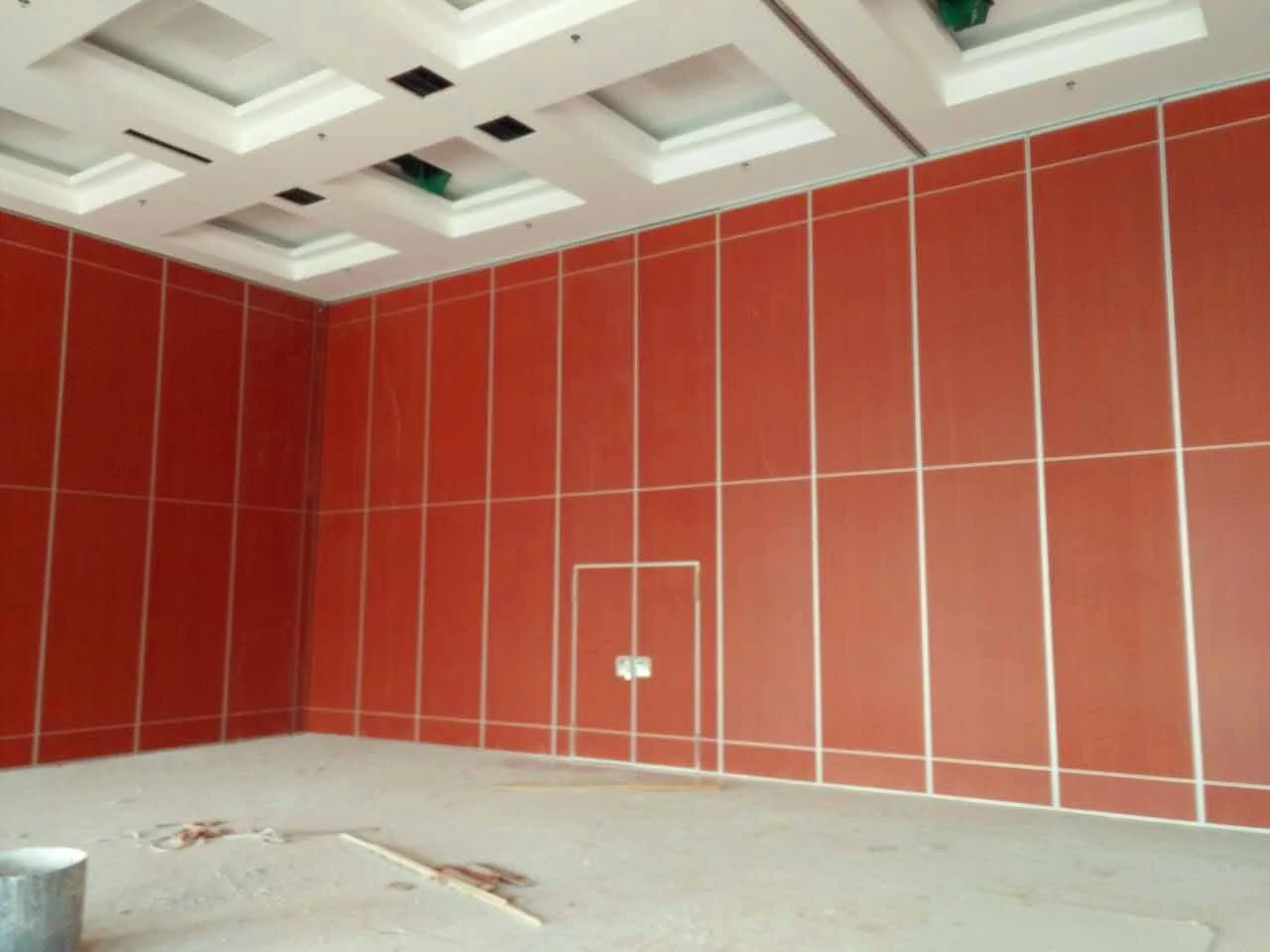
Coordination points to confirm
- Pass-door requirements are described consistently across tender and evaluation documents.
- Finish options such as laminate, melamine, fabric, leather, glass and other approved surfaces are assessed against the same stated criteria.
- Layout drawings used for route review are the same revision referenced in the tender.
- Any project documentation request is matched to a defined evaluation dimension.
Additional planning context is available in the resources section for teams building their review checklist.
FAQ: Weighting Disclosure Verification
What does weighting disclosure verification actually confirm?
It confirms that the evaluation dimensions, weights and scoring methods published to bidders are the same ones the evaluation team applies before award. It does not confirm product performance or project outcomes.
When should a reviewer request the applied evaluation model?
Request it before evaluation begins, so any mismatch can be corrected through a clarification or addendum while bidders can still respond fairly.
Can a tender publish weights as ranges?
Ranges create ambiguity. A reviewer should ask for fixed values or a clearly defined method for setting the final weight before scoring starts.
How should layout-dependent criteria be weighted?
They should be tied to a stated review method and the relevant drawing revision. Straight, turning and stacking routes require project-specific review rather than assumption.
Does a finish sample prove acoustic performance?
No. A finish sample shows a surface option.
What if the evaluation model adds an undisclosed dimension?
That is a disclosure gap. The reviewer should document it and require clarification before award, because bidders could not have priced or designed toward an undisclosed criterion.
Conclusion and Next Step
Movable partition wall tender evaluation criteria weighting disclosure verification is a control process. It compares published weights with the applied model, documents gaps, and resolves them before award. It does not require inventing performance data or predicting outcomes. It requires disciplined comparison and project-specific confirmation.
To discuss pass-door requirements, project documentation or layout review for an upcoming package, contact the EBUNGE team and confirm the requirements that apply to your project.