
Quick answer: movable partition changeover task dependency graph room release
Review focus: movable partition changeover task dependency graph room release.
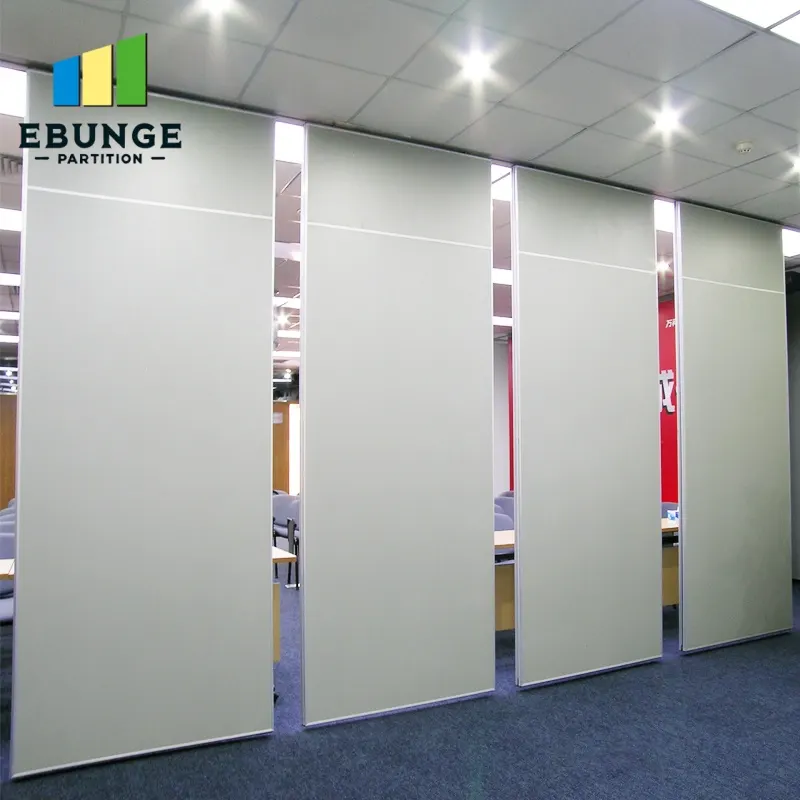
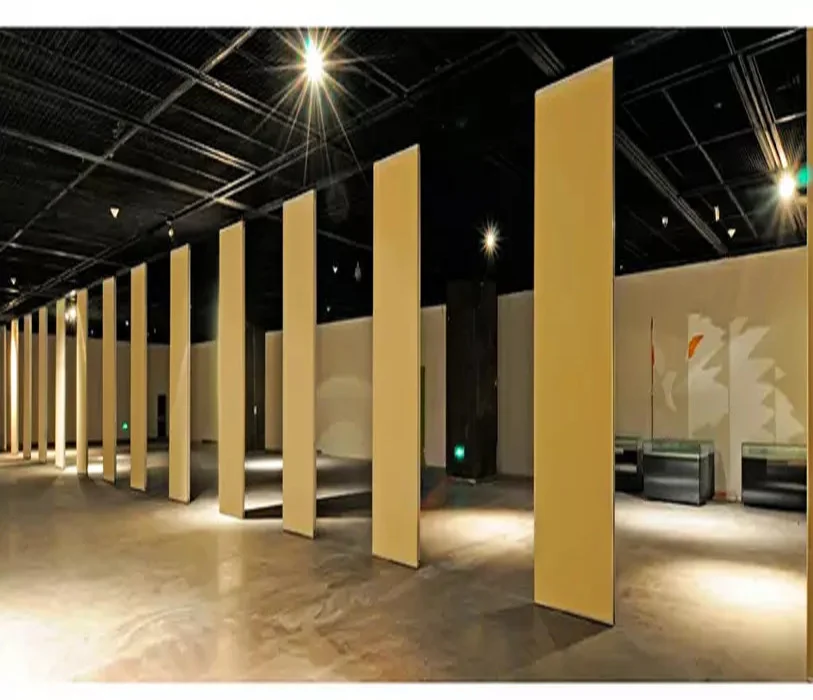
Every booking window depends on a chain of tasks that must finish in order. A movable partition changeover task dependency graph room release method helps facility teams see that chain before committing a room. The graph is not a schedule; it is a map of what must be true before the next step can start. For top-hung movable partitions, panels are individually movable, suspended from a top track, cross the opening without a floor track, and park at a planned stacking position. Those confirmed facts define the dependencies below. The exact overhead route and support arrangement must be confirmed by the responsible project team from coordinated drawings.
Why a Dependency Graph Beats a Flat Task List
Project review term: movable partition changeover task dependency graph room release.
A flat checklist treats every task as independent. A dependency graph records which tasks unlock others. In a changeover, panel movement cannot begin until the route is clear, and room release cannot be promised until the final configuration is confirmed. When teams skip the graph, they often discover a blocked route or an unconfirmed stacking position after the booking has already been accepted.
The graph also separates confirmed facts from assumptions. Confirmed facts include top-hung suspension, individual panel movement, no continuous floor track along the partition line, and parking at a planned stacking position. Assumptions include how long each step takes, how many people are available, and whether the route is clear. Those assumptions belong in the project review, not in the published commitment.
Core Nodes in a Changeover Dependency Graph
Coordination scope: movable partition changeover task dependency graph room release.
Start by naming the nodes. A node is a state or task that must be completed. The minimum set for a top-hung movable partition changeover includes: booking confirmed, layout reviewed, route reviewed, track condition checked, stacking position confirmed, panels moved, final configuration verified, and room released.
Route and stacking nodes
Straight, turning and stacking routes are reviewed from the layout. Each route must be a continuous connected overhead path. The exact route, junction arrangement, continuous overhead path and parking position must be confirmed from the coordinated project drawings. The stacking position must be planned, not improvised, because panels park there between uses.
Track and support nodes
Track clearing and support review are separate nodes. Clearing the track means removing obstructions along the reviewed route. Neither node can be assumed from a drawing alone.
Sequencing Panel Movement, Track Clearing and Room Release
Checklist focus: movable partition changeover task dependency graph room release.
The sequence below is a dependency order, not a time estimate. Each step should be confirmed complete before the next begins.
- Confirm the booking and the required room configuration.
- Review the layout drawing for straight, turning and stacking routes.
- Confirm the stacking position and the overhead route are continuous and connected.
- Clear the reviewed route of obstructions.
- Confirm project-specific support and dimensional requirements with the responsible party.
- Move panels individually along the reviewed route to the planned stacking position.
- Verify the final configuration against the booking requirement.
- Release the room only after steps 1 to 7 are confirmed.
Step 8 is the commitment point. If any earlier node is unconfirmed, the room release is conditional. That distinction protects both the facility team and the client.
Decision Checklist Before Each Booking Window
Review focus: movable partition changeover task dependency graph room release.
Use this checklist as a gate. It is deliberately short so it can be run before every changeover.
- Is the required configuration confirmed in writing?
- Has the layout been reviewed for straight, turning and stacking routes?
- Is the overhead route continuous and connected for every proposed movement?
- Is the stacking position planned and clear?
- Are project-specific support and dimensional requirements confirmed?
- Are finish and surface requirements confirmed for the intended use?
- Is the room release commitment conditional on all prior nodes?
If any answer is no, the graph is incomplete. Do not convert an incomplete graph into a firm release time.
Evidence Boundaries for Facility Teams
Project review term: movable partition changeover task dependency graph room release.
Facility teams often receive partial information. The suitability of each route and parking arrangement depends on the approved layout, circulation, ceiling interfaces and operating sequence. A photograph does not prove a application reference. These are evidence boundaries, not obstacles.
Confirm project-specific support, acoustic and dimensional requirements before treating any changeover plan as final. STC and Rw are rating concepts; they are not a direct count of decibels and should not be reduced to one.
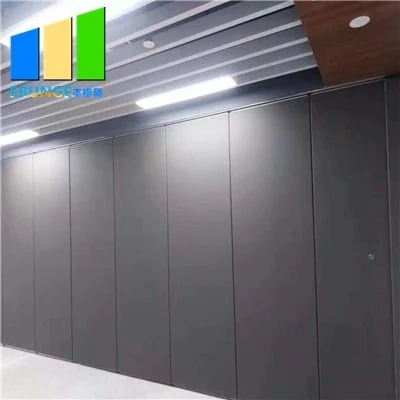
Confirmed finish options include laminate, melamine, fabric, leather, glass and other approved surfaces. These options describe appearance and surface choice.
Coordinating the Graph with Project Documentation
Pass-door requirements and project documentation can be discussed with the supplier. The graph should reference the same drawing set used for installation. When the layout changes, the graph changes. When the booking pattern changes, the stacking position may need review.
For product context, see the movable walls product page. For general planning material, see the resources page. These references support coordination; they do not replace project-specific confirmation.
Common Failure Points and How to Avoid Them
Most changeover failures come from treating a dependency as a formality. The route is assumed clear. Each assumption breaks the graph.
Failure point: releasing the room too early
Room release is the last node, not the first. If the final configuration has not been verified, the release is premature.
Failure point: treating a finish as performance evidence
A laminate or fabric surface confirms a finish option. Keep those confirmations separate.
Frequently Asked Questions
What is a movable partition changeover task dependency graph?
It is a map of the tasks and states that must be completed in order before a room can be released. It shows which steps unlock others, such as route review before panel movement and final verification before release.
Can panels move across an untracked gap?
No. Every proposed movement path requires a continuous connected overhead route. A gap in the route is a dependency that must be resolved before movement is planned.
Do movable partitions need a floor track along the partition line?
EBUNGE movable partition panels are top-hung and cross the opening without a continuous floor running track or floor hardware along the partition line.
How should STC or Rw be used in changeover planning?
Confirm project-specific acoustic requirements with the responsible party.
What finish options are confirmed?
Confirmed finish options include laminate, melamine, fabric, leather, glass and other approved surfaces. Finish choice does not by itself confirm cleaning compatibility or performance.
When can a room be released?
Only after the required configuration is verified and all prerequisite nodes are confirmed complete. If any node is unconfirmed, the release should be stated as conditional.
Conclusion and Next Step
A dependency graph turns a changeover from a hopeful sequence into a confirmable one. It keeps panel movement, track clearing and room release in the correct order, and it keeps unsupported assumptions out of the commitment. Use the checklist before each booking window, and treat every unconfirmed node as a reason to pause.
To discuss pass-door requirements, project documentation or a specific layout, contact the EBUNGE team. Bring your drawings and booking pattern so the review can be project-specific.