
Quick answer: movable partition changeover task interdependency map
Review focus: movable partition changeover task interdependency map.
A movable partition changeover task interdependency map is a planning tool that shows which reconfiguration steps must finish before others can begin. For facility teams, its purpose is simple: prevent a room release commitment from being made before prerequisite work is confirmed complete. This guide explains how to build that map using maintained product facts, visible evidence limits and project-specific drawing review. It does not replace engineering, acoustic or dimensional confirmation for your project.
Why Changeover Dependencies Are Missed in Busy Facilities
Project review term: movable partition changeover task interdependency map.
Changeover failures rarely come from a single task being difficult. They come from treating parallel tasks as independent when one actually depends on another. A room release commitment is often made at the calendar level, while the physical work follows a different sequence.
Movable partition panels are individually movable, suspended from a top track, cross the opening without a floor track, and park at a planned stacking position. That movement logic creates dependencies: the route must be clear, the parking position must be available, and the opening must be free of conflicting activity before panels can travel.
When teams skip the dependency review, they may release a room while the stacking area is still occupied or while the overhead route is blocked by temporary work. The map makes those waits visible before the commitment is made.
Core Task Groups in a Changeover Interdependency Map
Coordination scope: movable partition changeover task interdependency map.
Start by grouping tasks into four families. Each family contains steps that may depend on prior steps inside or outside the group.
- Pre-changeover checks: confirm the room is vacated, the opening is clear, and the planned stacking position is available.
- Route readiness: verify that the straight, turning and stacking routes reviewed from the layout remain unobstructed.
- Panel movement: move panels individually along the overhead route to the planned parking position.
- Post-changeover confirmation: confirm the room is ready for its next use and that the partition line is in the intended configuration.
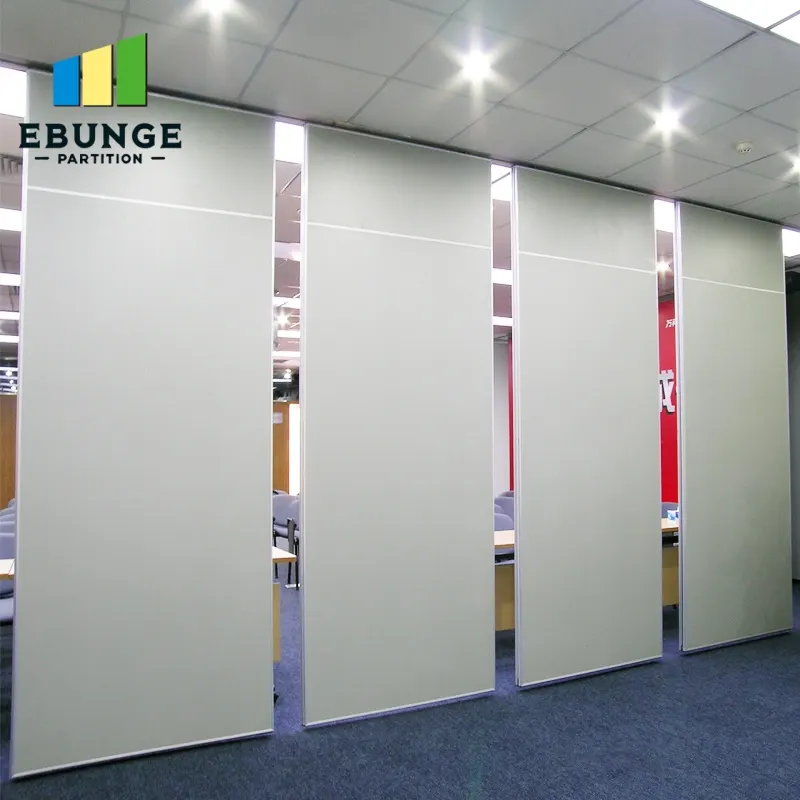
These groups are not a sequence by themselves. The map shows which specific steps inside each group must wait on others.
Building the Map Step by Step
Checklist focus: movable partition changeover task interdependency map.
Use a numbered process so the map can be reviewed consistently across shifts and contractors.
- List every changeover task from room release to room handover.
- For each task, identify what must be true before it can start.
- Mark each prerequisite as a hard wait or a soft wait.
- Draw arrows from prerequisite tasks to dependent tasks.
- Identify tasks with no prerequisites; these can start first.
- Identify tasks that block the most other tasks; these are release-critical.
- Review the map against the project layout and confirmed product facts.
- Confirm project-specific support, acoustic and dimensional requirements with the responsible parties.
A hard wait means the dependent task cannot start until the prerequisite is confirmed complete. A soft wait means the task can start but may need rework if the prerequisite changes. Room release commitments should only follow confirmed hard waits.
Evidence Boundaries for the Interdependency Map
The map is a coordination tool, not a performance claim. Visible references can support layout discussion but do not verify hidden construction or performance.
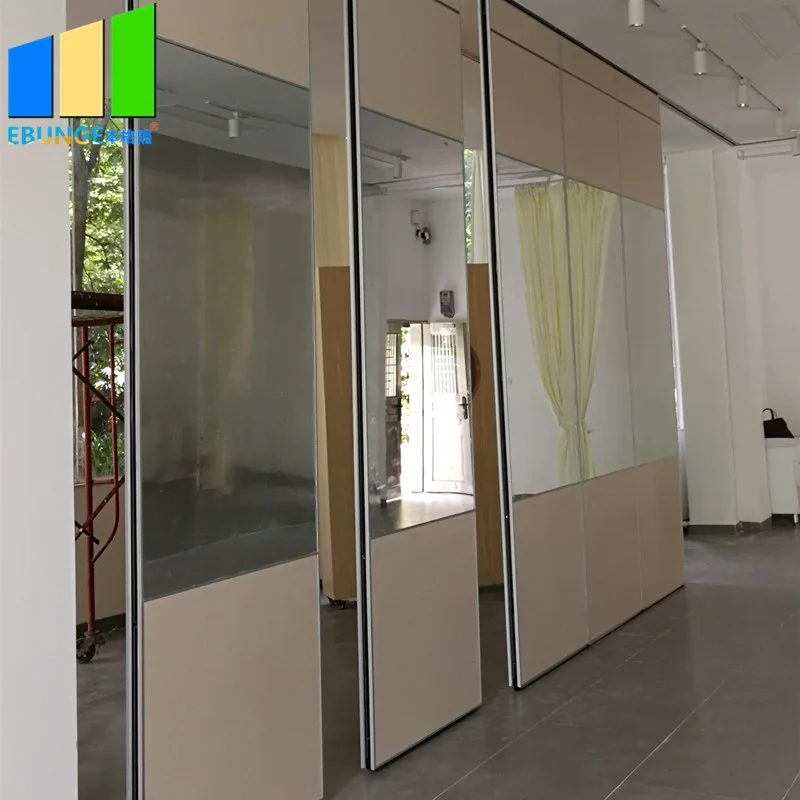
Finish options such as laminate, melamine, fabric, leather, glass and other approved surfaces describe appearance and surface selection. The suitability of each route and parking arrangement depends on the approved layout, circulation, ceiling interfaces and operating sequence.
Evidence note: Every proposed movement path requires a continuous connected overhead route and project-specific support review. Do not imply that panels can travel across an untracked gap. Confirm project-specific support, acoustic and dimensional requirements before making any room release commitment.
Using the Map in Daily Facility Operations
Once the map exists, it becomes a shared reference for scheduling, contractor coordination and room release decisions. The goal is not to slow changeovers but to make waits explicit.
Shift handover and task ownership
Assign each task on the map to a role, not a person. When shifts change, the role-based map stays valid. Handover notes should state which hard waits are confirmed and which remain open.
Room release commitment rules
A room release commitment should be made only when all release-critical prerequisites are confirmed complete. If a prerequisite is unconfirmed, the commitment should be conditional or deferred. This rule prevents the common failure where a room is promised while the stacking position is still occupied.
Coordination with project documentation
Pass-door requirements and project documentation can be discussed with the supplier or project team. The map should reference the approved layout and any project-specific documentation rather than relying on memory or verbal assumptions.
Common Mapping Mistakes to Avoid
Teams often build a task list and call it a map. A task list shows what happens; a map shows what must wait. Avoid these mistakes:
- Treating all tasks as parallel when some are strictly sequential.
- Ignoring the parking and stacking position as a prerequisite.
- Assuming the route is clear without a visual check.
- Making a room release commitment before hard waits are confirmed.
Each mistake can be corrected by returning to the dependency question: what must be true before this step can start?
Frequently Asked Questions
What is a movable partition changeover task interdependency map?
It is a planning diagram that shows which changeover tasks depend on prior steps. It helps facility teams identify hard waits before making a room release commitment.

Do movable partition panels need a floor track for changeover?
No. EBUNGE movable partition panels are top-hung and move without a continuous floor running track or floor hardware along the partition line. The movement path still requires a continuous connected overhead route and project-specific support review.
Can the map confirm acoustic performance?
No. The map is a coordination tool. Confirm project-specific acoustic requirements separately.
Which finish options can be considered?
Confirmed finish options include laminate, melamine, fabric, leather, glass and other approved surfaces.
When should a room release commitment be made?
Only after all release-critical hard waits are confirmed complete. If a prerequisite is unconfirmed, the commitment should be conditional or deferred until the responsible party confirms it.
How does parking affect the map?
Parking style is customized to the customer layout and project requirements and may support compact stacking when the coordinated design permits it. The planned stacking position must be available before panel movement begins.
Conclusion and Next Steps
A movable partition changeover task interdependency map turns hidden waits into visible planning steps. It helps facility teams avoid releasing rooms before prerequisite work is confirmed complete. Build the map from the approved layout, review straight, turning and stacking routes, and confirm project-specific support, acoustic and dimensional requirements with the responsible parties.
To discuss pass-door requirements, project documentation or layout-specific coordination, contact the EBUNGE team. You can also review movable wall products and browse additional planning resources before finalizing your changeover map.