
Quick answer: movable partition architect coordination assumption
Review focus: movable partition architect coordination assumption.
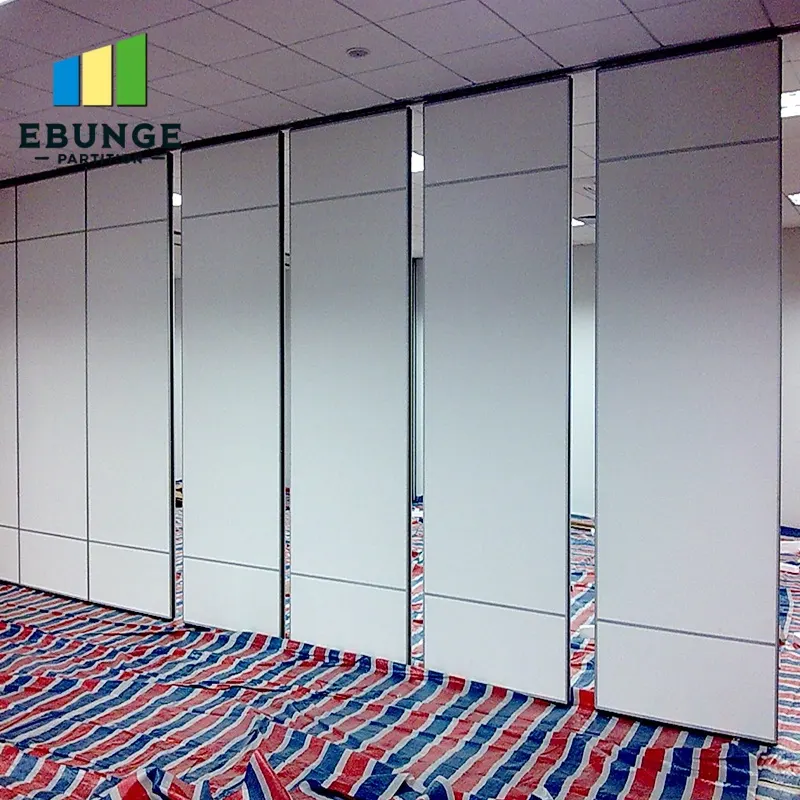
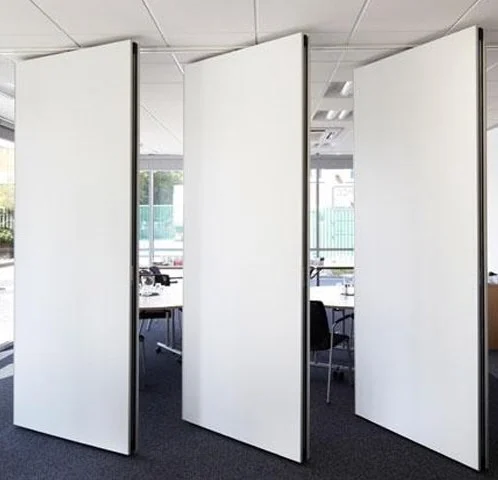
The movable partition architect coordination assumption handover receipt rejection loop is a design-phase control that prevents unconfirmed track, stack and ceiling assumptions from reaching issued drawings. Movable partition panels are individually movable, suspended from a top track, cross the opening without a floor track, and park at a planned stacking position. Those four facts create coordination obligations for structure, ceiling, finishes and services. This article sets out a receipt-and-rejection framework that records which receiving discipline has actually accepted each assumption before drawing issue. It is a process guide, not a substitute for project-specific engineering, acoustic or dimensional confirmation.
Why Assumption Handover Fails on Movable Partition Projects
Project review term: movable partition architect coordination assumption.
Most coordination failures are not drawing errors. They are silent assumptions. The architect assumes the ceiling zone is clear. The suitability of each route and parking arrangement depends on the approved layout, circulation, ceiling interfaces and operating sequence. The MEP designer assumes no services cross the stacking position. Each discipline proceeds on a different version of the same wall.
A handover receipt makes the assumption visible and assigns acceptance. A rejection loop gives the receiving discipline a formal way to return the assumption before issue, rather than raising it during construction.
What Counts as an Assumption
An assumption is any design decision that another discipline must accept for the partition to work. Track route, stacking position, ceiling void, support condition and finish interfaces all qualify. If a receiving discipline has not confirmed it, it is still an assumption, not a coordinated design.
The Three Assumption Families: Track, Stack and Ceiling
Coordination scope: movable partition architect coordination assumption.
Grouping assumptions into three families keeps the receipt short enough to be used. Each family has a different receiving discipline and a different rejection trigger.
| Family | Typical assumption | Primary receiving discipline | Rejection trigger |
|---|---|---|---|
| Track | Continuous overhead route from opening to parking position | Structural and ceiling coordination | Route interrupted by structure or services |
| Stack | Planned parking position and stacking envelope | Architectural layout and MEP | Stack zone occupied or undersized |
| Ceiling | Ceiling void depth and interface at track line | Ceiling and finishes | Void insufficient or finish clashes |
Straight, turning and stacking routes are reviewed from the layout. The exact route, junction arrangement, continuous overhead path and parking position must be confirmed from the coordinated project drawings. Every proposed movement path requires a continuous connected overhead route and project-specific support review.
A Numbered Handover Receipt Process
Checklist focus: movable partition architect coordination assumption.
- Draft the assumption register. List every track, stack and ceiling assumption in plain language, with the drawing or sketch it depends on.
- Assign a receiving discipline. Name the party whose scope is affected, not a general project team.
- Issue the receipt. Send the register with a response date tied to the drawing issue calendar.
- Record acceptance or rejection. Acceptance means the receiving discipline confirms the assumption fits its scope. Rejection must state the conflict.
- Resolve and re-issue. Update the assumption, then send a revised receipt to the affected discipline.
- Close before issue. No assumption leaves the register open when the drawing is issued.
Evidence Note
This framework records coordination decisions. It does not certify structural capacity, acoustic performance or dimensional fit. Those require project-specific confirmation with the responsible disciplines and, where relevant, the partition supplier.
Designing the Rejection Loop So It Actually Works
Review focus: movable partition architect coordination assumption.
A rejection loop fails when rejection is treated as obstruction. Set the expectation that a rejection is a successful coordination event: it surfaces a conflict while change is still inexpensive.
Keep rejection reasons specific. “Not coordinated” is not actionable. “Track route crosses a primary beam at grid C” is. The architect can then revise the route, the structure can be reviewed, or the stacking position can move.
Rejection Categories to Track
- Route conflict: the overhead route is interrupted or not continuous.
- Stack conflict: the parking position overlaps structure, services or fixed joinery.
- Ceiling conflict: the void or finish interface cannot accept the track line as drawn.
- Interface gap: no discipline has accepted the assumption, so it remains unowned.
Tracking categories reveals whether the same conflict keeps returning. A repeated route conflict usually means the layout itself needs review, not another drawing revision.
What Each Receiving Discipline Must Confirm
Confirmation should be explicit and scoped. A discipline confirms only what falls within its responsibility.
- Architectural: the stacking position fits the layout and does not block required circulation.
- Ceiling and finishes: the ceiling void and finish interfaces can accommodate the track line as drawn.
- MEP: services do not cross the route or stack zone without an agreed diversion.
- Owner or operator: the parking position and room reconfiguration logic match intended use.
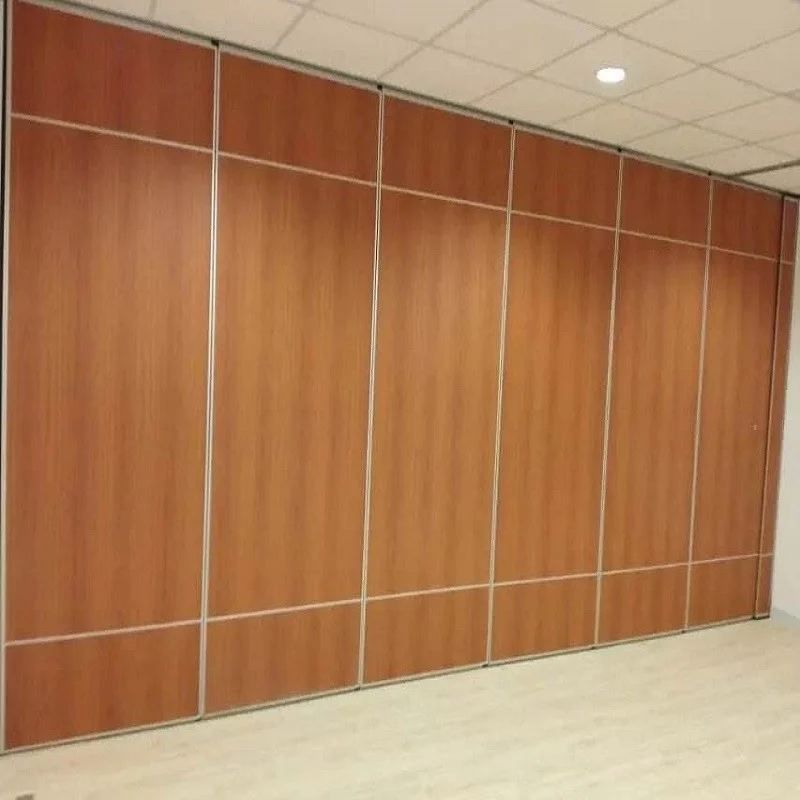
Finish options include laminate, melamine, fabric, leather, glass and other approved surfaces. Those remain project-specific.
Acoustic and Dimensional Assumptions: Keep Them Conceptual
Seals and acoustic concepts can be discussed generically, but the actual performance of an assembly depends on the full construction, the interface details and the project-specific configuration.
Dimensional assumptions deserve the same discipline. Opening width, stacking length and ceiling void are coordination inputs, not defaults. Confirm them against the layout and the supplier’s project-specific information before issue.
Pass-Door and Documentation Questions
Pass-door requirements and project documentation can be discussed with the supplier. Raise them during the assumption handover so the receiving disciplines can accept the interface before drawings are issued.
FAQ: Assumption Handover and Rejection Loops
What is an assumption handover receipt in movable partition coordination?
It is a short register that lists each track, stack and ceiling assumption, names the receiving discipline, and records whether that discipline has accepted or rejected the assumption before drawing issue.
Who should receive the assumption register?
Provide the current layout, opening dimensions, ceiling information, intended room use, and relevant project drawings for review. The exact overhead route and support arrangement must be confirmed by the responsible project team from coordinated drawings.
How is a rejection different from a comment?
A comment is advisory. A rejection formally returns the assumption because the receiving discipline cannot accept it as drawn, and it requires resolution before issue.
Can the framework confirm acoustic performance?
No. It records coordination decisions only.
When should the loop close?
Before drawing issue. An open assumption on an issued drawing is a coordination risk that will surface later, usually at higher cost.
Does every project need a turning route?
No. Straight, turning and stacking routes are reviewed from the layout.
Conclusion: Issue Drawings Only After Receipts Close
The movable partition architect coordination assumption handover receipt rejection loop is simple in principle: write down the assumption, name the receiver, record acceptance or rejection, resolve, and close before issue. It protects the top-hung, floor-track-free logic of the system by ensuring the overhead route, stacking position and ceiling interface are genuinely coordinated.
Use the framework as a design-phase control, not a performance claim. Confirm project-specific support, acoustic and dimensional requirements with the responsible disciplines and the partition supplier. For product context, review the movable walls range and the project resources. To discuss pass-door requirements, documentation or a specific layout, contact the EBUNGE team.