
Quick answer: architect coordination assumption ownership transfer log movable partition
Review focus: architect coordination assumption ownership transfer log movable partition.
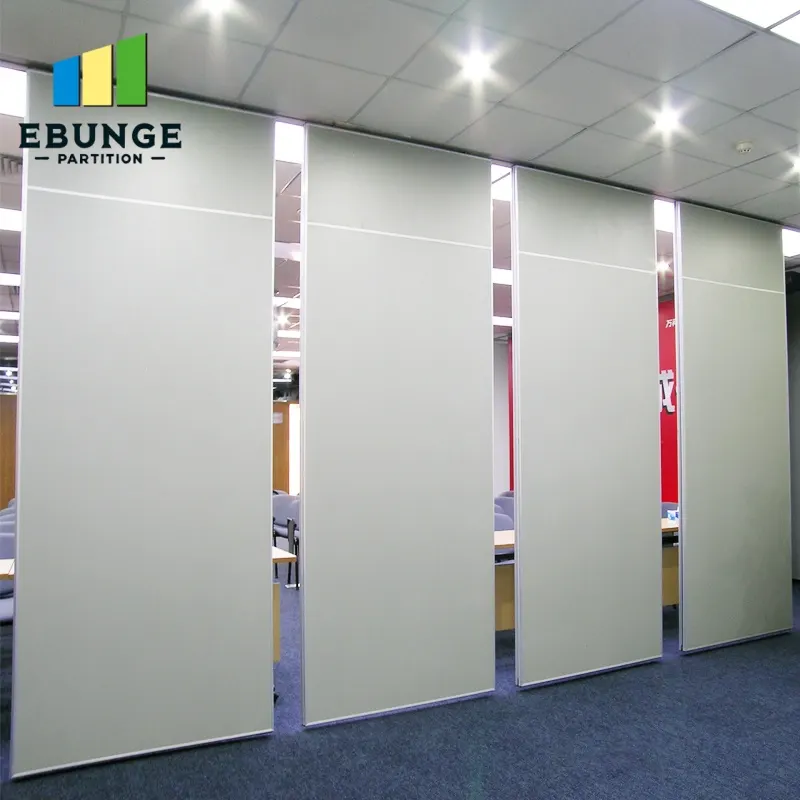
When a project team changes mid-design, the architect coordination assumption ownership transfer log movable partition becomes the single record of who owns each track, stack and ceiling decision. Movable partition walls are top-hung, individually movable panels that cross an opening without a floor track and park at a planned stacking position. Because those panels depend on overhead support and a connected movement route, every assumption about the track, the stack and the ceiling must have a named owner before the team changes.
This article sets out an evidence-bounded workflow for maintaining that log. It does not replace project-specific engineering, acoustic or dimensional review. Instead, it helps architects, contractors, interior designers and owners keep ownership visible when drawings, people and responsibilities move.
Why a Movable Partition Assumption Log Matters
Project review term: architect coordination assumption ownership transfer log movable partition.
The suitability of each route and parking arrangement depends on the approved layout, circulation, ceiling interfaces and operating sequence. A ceiling zone may be treated as available by one discipline and as occupied by another. A stacking position may be shown on an architectural plan but not reviewed against the structure above it. The exact route, junction arrangement, continuous overhead path and parking position must be confirmed from the coordinated project drawings.
An assumption ownership transfer log does not resolve those questions. It records who is responsible for resolving them, what evidence is expected, and when the answer is due.
What the log is not
It does not confirm acoustic values, load capacity or installation sequence. It is a coordination control that points to the correct reviewer and the correct evidence source.
Core Assumptions to Track for Track, Stack and Ceiling
Coordination scope: architect coordination assumption ownership transfer log movable partition.
Start by listing the assumptions that affect the partition system. Keep each entry short, specific and tied to a drawing or a decision. The following categories cover the main coordination interfaces.
- Track route: the proposed overhead path, including straight runs, turning sections and any transition between zones.
- Stack position: where panels park when the opening is clear, and whether that position is coordinated with adjacent services or finishes.
- Ceiling zone: the ceiling void, soffit or bulkhead that the track and stack may affect.
- Finish interface: laminate, melamine, fabric, leather, glass or another approved surface, and how it meets adjacent materials.
- Pass-door requirement: whether a pass door is needed and which discipline owns the opening dimensions and hardware coordination.

Each entry should name one owner, one reviewer and one evidence item. If an assumption has no evidence item, it is not ready to transfer.
A Numbered Workflow for Building the Transfer Log
Checklist focus: architect coordination assumption ownership transfer log movable partition.
Use a repeatable sequence so the log survives team changes and design revisions. The steps below are coordination steps, not installation instructions.
- Collect the layout. Mark every straight, turning and stacking route shown for the partition.
- List assumptions. Convert each route, stack and ceiling condition into a written assumption. Avoid combining two decisions in one line.
- Assign ownership. Name the discipline that holds the decision. Typical holders include architecture, structure, mechanical, electrical and the partition supplier, but the correct holder depends on the project.
- Define the evidence. State what must be produced to close the assumption, such as a coordinated drawing, a written confirmation or a reviewed detail.
- Set a review gate. Link each assumption to a design milestone so it is checked before the next team handover.
- Record transfers. When a person or firm changes, update the owner and reviewer fields and note the date. Do not delete the original entry.
- Close with confirmation. Mark an assumption closed only when the named evidence exists and the relevant disciplines have reviewed it.
Ownership Transfer Rules When Team Members Change
Review focus: architect coordination assumption ownership transfer log movable partition.
A transfer is not complete when a file is shared. It is complete when the new owner can see the assumption, the evidence and the open questions. Apply three rules to every handover.
First, transfer ownership in writing. A verbal handover leaves the next person guessing which decisions are still open. Second, keep the history. Superseded entries show why a route or stack position changed, which prevents the same debate from returning. Third, re-check interfaces.
Evidence note
This workflow relies on project-specific drawings and confirmations. Where a claim about the partition system is needed, confirm it against the maintained product information and the project drawings rather than inferring it from a plan symbol or a finish sample.
Compact Comparison: Assumption Status and Required Action
Project review term: architect coordination assumption ownership transfer log movable partition.
| Status | Meaning | Required action |
|---|---|---|
| Open | Decision identified but not resolved | Assign owner and evidence item |
| In review | Evidence produced but not accepted | Route to named reviewer |
| Transferred | Owner changed during team handover | Confirm new owner and re-check interfaces |
| Closed | Evidence exists and review is complete | Record closure date and retain history |
Use the table as a status summary, not as proof of performance. A closed coordination assumption means the decision is documented; it does not mean the installed system has been verified on site.
Coordinating Finishes, Pass Doors and Documentation
Coordination scope: architect coordination assumption ownership transfer log movable partition.
Record the approved finish category and the interface it touches, then leave performance questions to the relevant reviewer.
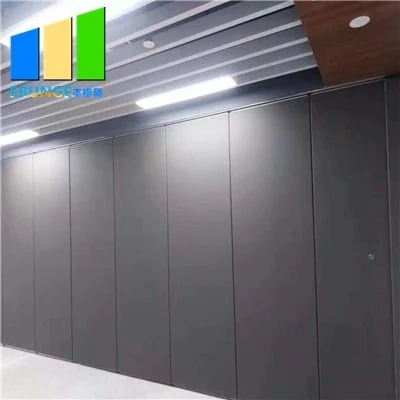
Pass-door requirements should be logged early because they change the opening geometry and the coordination between disciplines. Project documentation can be discussed with the supplier so that the log references the correct drawings and confirmations. For general planning context, see the EBUNGE resources page, and review the maintained movable wall product information before finalising assumptions.
Frequently Asked Questions
What is an assumption ownership transfer log for movable partition walls?
It is a design-phase record that lists each track, stack and ceiling assumption, names the discipline that owns it, and tracks what happens when that ownership changes during team handovers.
Does the log confirm acoustic performance?
No. Acoustic requirements must be confirmed for the specific project and configuration.
Why is the ceiling decision part of the log?
Movable panels are suspended from a top track and cross the opening without a floor track. The ceiling zone and the support interface above it therefore affect the track route and the stacking position, so they need a named owner.
How should stacking positions be recorded?
Record the planned parking position, the disciplines that interface with it, and the evidence needed to confirm it. Parking style is customised to the layout and project requirements, so it should be reviewed against the coordinated design.
What happens when a team member leaves mid-design?
Update the owner and reviewer fields, keep the original entry, and re-check the interfaces that the previous owner controlled. The log should show both the current owner and the history of the decision.
Can the log replace coordinated drawings?
No. It supports coordination by making ownership visible. The exact overhead route and support arrangement must be confirmed by the responsible project team from coordinated drawings.
Conclusion and Next Step
A maintained assumption ownership transfer log keeps track, stack and ceiling decisions visible when project teams change. Used carefully, it reduces the risk that a critical assumption disappears with the person who made it.
To discuss pass-door requirements, project documentation or coordination questions for your layout, contact the EBUNGE team and confirm the project-specific support, acoustic and dimensional requirements before finalising the design.