
Quick answer: movable partition wall tender
Review focus: movable partition wall tender.
Movable partition wall tender clarification question routing ownership is the discipline of deciding, before the priced scope is finalized, which reviewer answers each bidder query and which queries must wait for project-specific evidence. When routing is unclear, the same question can be answered twice with different assumptions, or not answered at all. This framework helps procurement reviewers assign each query to the correct discipline, record the evidence boundary, and keep the priced scope aligned with the drawings.
Why Routing Ownership Breaks Down in Partition Tenders
Project review term: movable partition wall tender.
Movable partition tenders sit between several disciplines. A question about a stacking position may look commercial, but it depends on the layout. A question about a finish may look architectural, but it affects the priced scope. The suitability of each route and parking arrangement depends on the approved layout, circulation, ceiling interfaces and operating sequence.
When no one owns the routing decision, bidders receive inconsistent answers. The exact route, junction arrangement, continuous overhead path and parking position must be confirmed from the coordinated project drawings. The comparison then measures assumptions rather than scope. Routing ownership prevents that by naming one accountable reviewer per query type.
The difference between routing and answering
Routing assigns the query to a discipline. Answering confirms the project-specific fact. That separation keeps the process honest and keeps unsupported claims out of the tender record.
A Five-Step Routing Process Before Pricing Closes
Coordination scope: movable partition wall tender.
- Log every query with its source. Record the bidder, the drawing reference and the exact wording. Do not paraphrase a query into a broader claim.
- Classify the query type. Use the categories below: layout and movement, finish and surface, acoustic concept, documentation, commercial scope, or site coordination.
- Assign one accountable reviewer. Name a single discipline owner per query. Avoid joint ownership, which delays responses.
- State the evidence boundary. If the answer depends on project-specific drawings, support review or acoustic requirements, say so explicitly.
- Issue the response and update the priced scope. Confirm that every bidder receives the same clarification and that the scope reflects it.
Query Categories and the Discipline That Should Own Them
Checklist focus: movable partition wall tender.
| Query category | Typical question | Accountable owner | Evidence boundary |
|---|---|---|---|
| Layout and movement | Can panels cross this opening and park here? | Design or technical reviewer | Requires layout review of straight, turning and stacking routes |
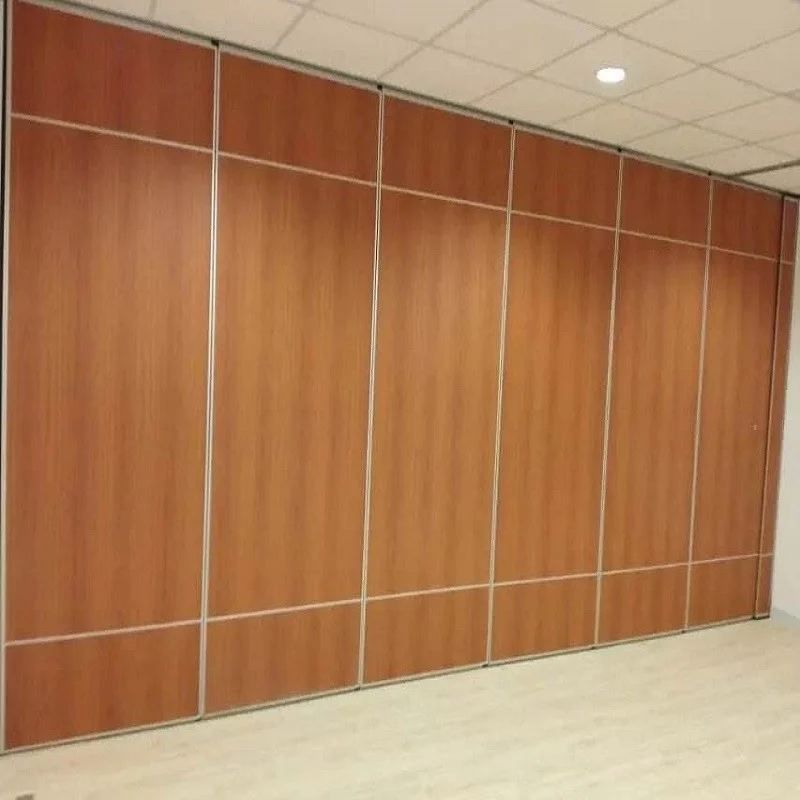
| Finish and surface | Which finish options are available? | Architectural or interior reviewer | Confirmed options include laminate, melamine, fabric, leather, glass and other approved surfaces |
| Acoustic concept | How is acoustic separation described? | Acoustic or technical reviewer | STC and Rw are rating concepts; project-specific values require matching evidence |
| Documentation | What drawings and submittals are required? | Procurement or document controller | Project documentation can be discussed; confirm the required set |
| Commercial scope | What is included in the priced scope? | Commercial or estimating reviewer | Scope must follow the confirmed layout and finish schedule |
| Site coordination | How does the top track interface with the structure? | Site or structural coordinator | Requires project-specific support review |
Evidence Boundaries Every Reviewer Should Apply
Routing ownership only works if reviewers respect evidence limits. Visible references can support layout discussion but do not verify hidden construction or performance. A generic application example does not prove a application reference.
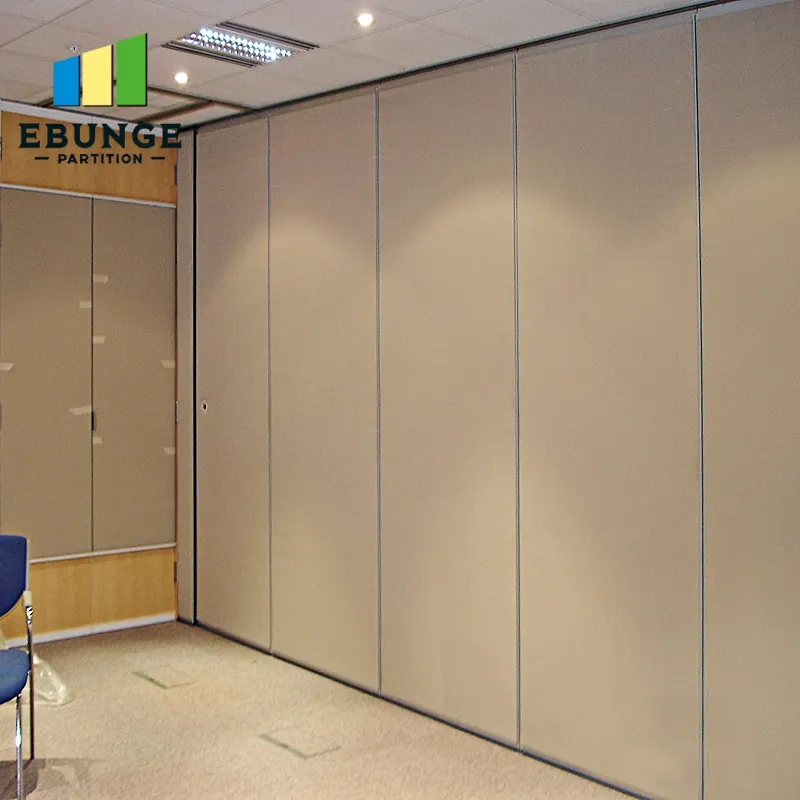
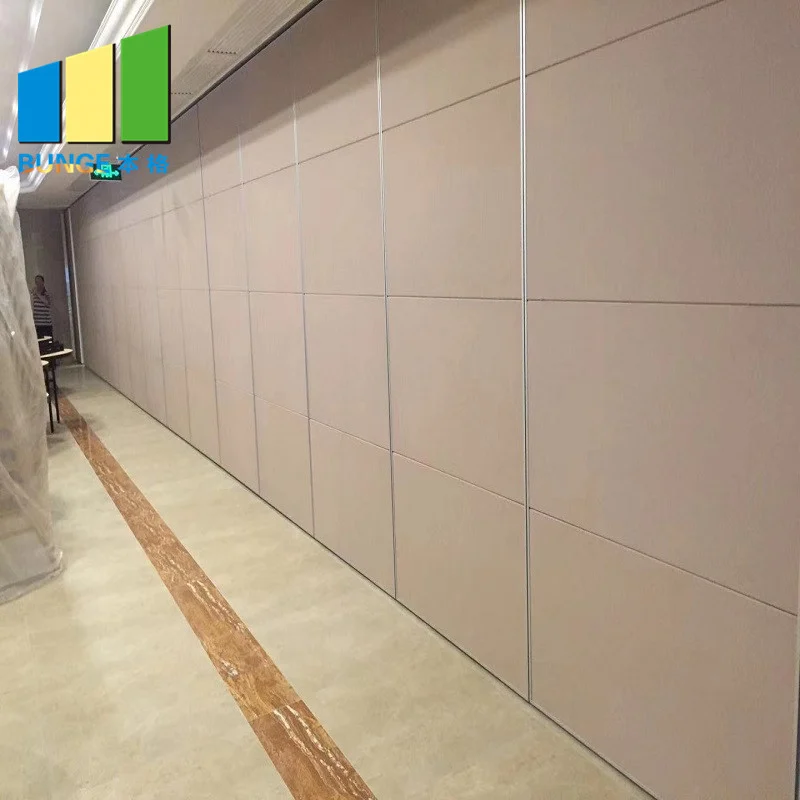
EBUNGE movable partition panels are individually movable, suspended from a top track, cross the opening without a floor track, and park at a planned stacking position. Straight, turning and stacking routes are reviewed from the layout. These are maintained product facts, not performance guarantees. The exact overhead route and support arrangement must be confirmed by the responsible project team from coordinated drawings.
How to Keep Answers Consistent Across Bidders
Consistency is the main benefit of routing ownership. When each query has one owner, every bidder receives the same clarification.
Use a single clarification register. Link each response to the drawing or document it references. When a query changes the layout, finish schedule or documentation set, update the register and notify all bidders.
What to do when a query spans disciplines
Split the query. Route the layout part to the design reviewer and the commercial part to the estimating reviewer. Then issue one consolidated response that states which part is confirmed and which part still requires project-specific review. This avoids the common failure where a commercial answer quietly becomes a technical promise.
Reviewer Checklist Before the Priced Scope Is Finalized
- Every bidder query has a unique log entry and a named owner.
- Layout queries reference the reviewed straight, turning and stacking routes.
- Finish queries use only confirmed options: laminate, melamine, fabric, leather, glass and other approved surfaces.
- Documentation queries state what can be discussed and what must be confirmed.
- Commercial queries are checked against the confirmed layout and finish schedule.
- Site coordination queries are flagged for project-specific support review.
- All responses are issued through one register so bidders see the same scope.
Frequently Asked Questions
Who should own a movable partition wall tender clarification question?
Assign one accountable discipline per query. Layout and movement queries usually belong to the design or technical reviewer. Finish queries belong to the architectural or interior reviewer. Commercial scope queries belong to estimating. The owner confirms the answer; the procurement reviewer confirms that the answer is recorded and shared.
Can a procurement reviewer answer technical questions directly?
Route those queries to the discipline that can review the drawings and confirm the requirement.
How should acoustic questions be handled in a tender clarification?
Describe acoustic separation conceptually. If a project requires a specific acoustic outcome, state that the requirement must be confirmed against project-specific documentation and reviewed by the appropriate discipline.
What finish options can be confirmed during clarification?
Confirmed finish options include laminate, melamine, fabric, leather, glass and other approved surfaces. Confirm the selected finish against the project finish schedule and the reviewed layout.
When should a clarification question be split across disciplines?
Split the query when it combines a technical condition with a commercial consequence. Route each part to its owner, then issue one consolidated response that states what is confirmed and what still requires project-specific review.
How do we keep bidders pricing the same scope?
Use one clarification register, issue the same response to every bidder, and link each response to the drawing or document it references. When a response changes the layout, finish schedule or documentation set, update the register and notify all bidders before pricing closes.
Conclusion and Next Step
Routing ownership is not paperwork. It is the control that keeps a movable partition wall tender comparable. Assign each query to one discipline, state the evidence boundary, and update the priced scope only after the layout, finish and documentation questions are resolved. Confirm project-specific support, acoustic and dimensional requirements with the appropriate reviewers.
To discuss pass-door requirements, project documentation or the reviewed layout for your next tender, contact the EBUNGE team. You can also review the movable wall product range and the project planning resources before issuing your clarification register.