
Quick answer: movable partition track fixing crew sequence dependency map
Review focus: movable partition track fixing crew sequence dependency map.
The movable partition track fixing crew sequence dependency map is a pre-mobilization planning tool. It shows which crew tasks must finish before others can start, and which site conditions must be verified before any work begins. For overseas contractors, the map prevents the common pattern of resolving track, panel and ceiling conflicts on site after labor and materials have already arrived. This article explains how to build that map using confirmed product facts and project-specific drawing review.
Why a Sequence Dependency Map Matters Before Mobilization
Project review term: movable partition track fixing crew sequence dependency map.
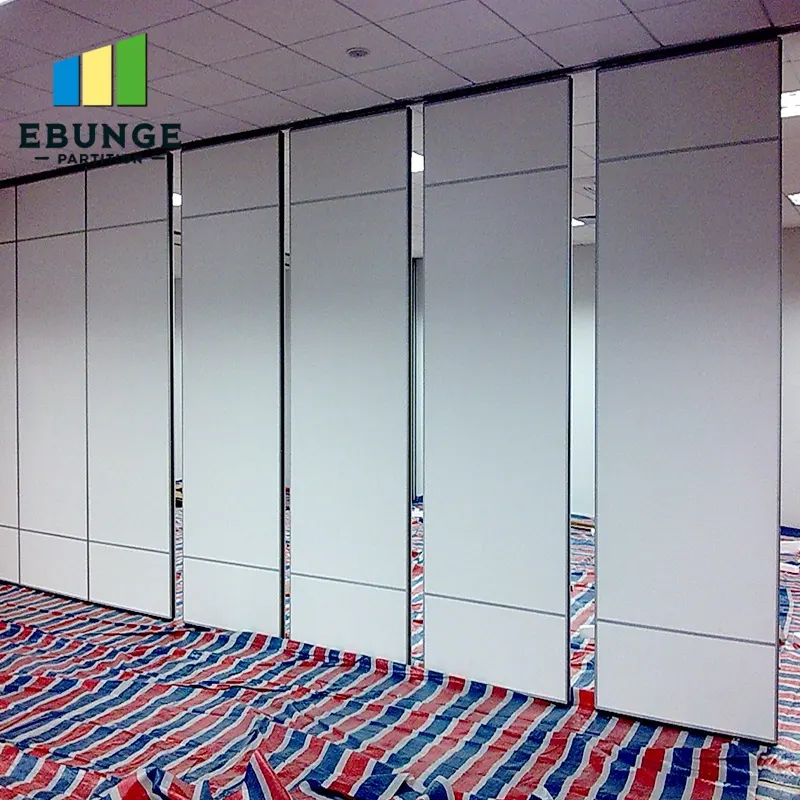
Movable wall installation involves several trades and deliveries that interact. The top track must be anchored to a supporting structure. Panels arrive separately and are suspended from that track. Ceiling closure often follows, and it can restrict access to the track zone once installed. If these three streams are not sequenced, crews may wait, rework, or damage finished surfaces.
A dependency map makes the order visible. The suitability of each route and parking arrangement depends on the approved layout, circulation, ceiling interfaces and operating sequence. It simply records what must be confirmed, by whom, and in what order.
Core Dependencies Between Track Fixing, Panel Delivery and Ceiling Closure
Coordination scope: movable partition track fixing crew sequence dependency map.
Three dependency types appear in most projects. First, track anchoring depends on the supporting structure being ready and verified. Second, panel delivery depends on a safe route to the stacking position and on the track being installed. Third, ceiling closure depends on track alignment and any required inspection of the overhead zone.
In some layouts, part of the ceiling can close after track installation but before panel hanging. In others, ceiling closure must wait until panels are positioned. The correct order comes from the project drawings, not from a default assumption.
Track Anchoring Depends on Support Readiness
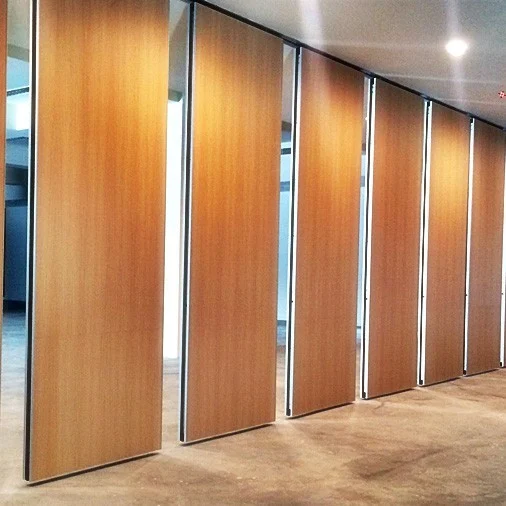
The track is suspended from a top track and carries the panels. Before anchoring, the project team must confirm that the supporting structure is suitable and that the anchor setting method matches the substrate. This is a project-specific review. Do not infer support capacity from a generic drawing or from a previous project.
Panel Delivery Depends on Access and Stacking Position
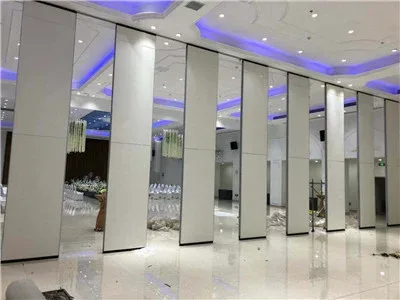
Panels are individually movable and park at a planned stacking position. Delivery planning must confirm that panels can reach that position without obstruction. The route from the delivery point to the stacking area should be checked against door widths, corridor turns and lift dimensions. The stacking position itself must be coordinated with the layout so that parked panels do not block other trades.
Ceiling Closure Depends on Track Zone Access
Ceiling closure can trap the track zone. If the ceiling is closed before the track is installed and inspected, later access may require removal and rework. The dependency map should mark the point after which ceiling closure is safe, based on the project’s inspection and coordination requirements.
Building the Dependency Map: A Step-by-Step Method
Checklist focus: movable partition track fixing crew sequence dependency map.
Use the following numbered process to create a project-specific map. Each step produces a written record that can be shared with the site team and the client.
- List all track fixing crew tasks. Include layout marking, support verification, anchor setting, track positioning and alignment checks. Do not include tasks that require unconfirmed engineering.
- List all panel delivery tasks. Include offloading, protected storage, movement to the stacking position and hanging. Note any access restrictions from the site logistics plan.
- List all ceiling closure tasks. Include framing, services coordination, inspection points and final closure. Identify which tasks can proceed before track installation and which cannot.
- Draw dependency arrows. Connect tasks that must finish before another can start. Mark tasks that can run in parallel.
- Mark confirmation points. Add a note wherever a project-specific decision is required, such as support method, anchor type or acoustic requirement.
- Review with the project team. Confirm the map against the latest drawings and note any unresolved items before mobilization.
Coordination Checklist for Site Teams
Review focus: movable partition track fixing crew sequence dependency map.
Use this checklist during pre-mobilization meetings. It is not a substitute for project-specific engineering or acoustic review.
- Supporting structure drawing available and reviewed for track anchoring.
- Track route confirmed as continuous and connected for all straight, turning and stacking movements.
- Panel delivery route and stacking position agreed with site logistics.
- Ceiling closure sequence agreed with the ceiling trade and inspection team.
- Finish selections confirmed for laminate, melamine, fabric, leather, glass or other approved surfaces.
- Pass-door requirements discussed and documented if required.
- Acoustic and dimensional requirements confirmed as project-specific items.
- Contact point named for unresolved drawing conflicts.
Evidence Boundaries: What the Map Cannot Decide
Project review term: movable partition track fixing crew sequence dependency map.
The dependency map organizes tasks. Those items require separate project-specific evidence.
Similarly, the map cannot confirm that a proposed movement path is feasible if the overhead route is not continuous and connected. Every turning or stacking route must be reviewed against the actual support layout. If a drawing shows a gap in the track route, the map should flag it as an open item, not assume it will be resolved on site.
Evidence note: This planning method uses confirmed product facts only. Project-specific support, acoustic and dimensional requirements must be confirmed by the responsible engineer or consultant before installation.
Common Sequencing Conflicts and How to Flag Them
Conflicts often appear in three areas. First, ceiling services may occupy the same zone as the track. Second, floor finishes may be installed before panel delivery, creating damage risk. Third, the stacking position may conflict with other trades’ work areas. The map should flag each conflict with a responsible party and a required decision date.
Flagging is not problem-solving. It is a way to ensure the right person reviews the issue before crews are mobilized. For overseas projects, time-zone differences make early flagging especially important.
Documentation to Prepare for Review
Include any pass-door requirements and the planned stacking position. This package supports a focused review with the EBUNGE team and the project’s consultants.
You can review maintained product context on the movable walls product page and find additional planning resources in the resources section. When the drawing set is ready, contact the team to discuss project documentation and pass-door requirements.
Frequently Asked Questions
What is a movable partition track fixing crew sequence dependency map?
It is a planning diagram that shows which track fixing, panel delivery and ceiling closure tasks must happen in a specific order. It helps contractors identify dependencies and confirmation points before mobilization.
Can the map confirm acoustic performance for my project?
No. The map only organizes installation tasks and flags where acoustic requirements need separate confirmation.
Does every movable partition need a floor track?
EBUNGE movable partition panels are top-hung and move without a continuous floor running track or floor hardware along the partition line. The overhead route must be continuous and connected for all planned movements.
When should ceiling closure happen relative to track installation?
It depends on the project. Ceiling closure should be sequenced so that track installation and any required inspection can be completed first. The exact order must be confirmed against the project drawings and inspection plan.
What finish options are available for the panels?
Confirmed finish options include laminate, melamine, fabric, leather, glass and other approved surfaces. Finish selection should be coordinated with the project’s design intent and maintenance plan.
How do I handle a conflict between the track route and ceiling services?
Flag the conflict on the dependency map with a responsible party and a decision date. Do not resolve it on site without review.
Conclusion: Plan the Sequence, Then Mobilize
A track fixing crew sequence dependency map turns installation coordination into a visible, reviewable plan. It helps overseas contractors align panel delivery, track anchoring and ceiling closure before crews arrive. The map does not replace engineering or acoustic evidence, but it prevents avoidable site conflicts and rework.
Start by listing tasks, drawing dependencies and marking every project-specific confirmation point. Review the map with the project team and the EBUNGE team using the latest drawings. For project documentation, pass-door requirements or layout review, contact EBUNGE to discuss your specific project.