
Quick answer: movable partition track segment access frequency tiering
Review focus: movable partition track segment access frequency tiering.
Movable partition track segment access frequency tiering is a planning method that helps project teams decide which overhead runs deserve permanent inspection openings and which can rely on temporary removal of ceiling or floor finishes during service. It is not a performance rating and it does not replace project-specific engineering review. The method simply organizes known layout information so that maintenance access is discussed early, while drawings can still be changed.
Why Track Access Planning Belongs in the Early Drawing Review
Project review term: movable partition track segment access frequency tiering.
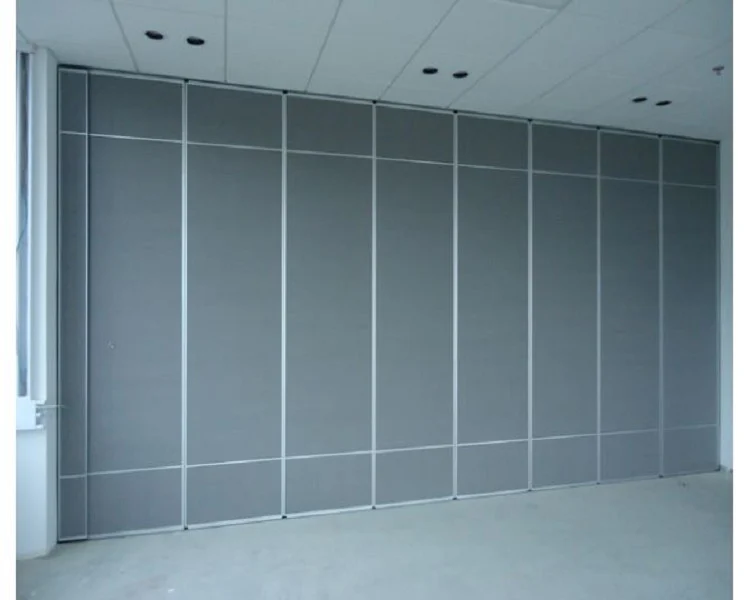
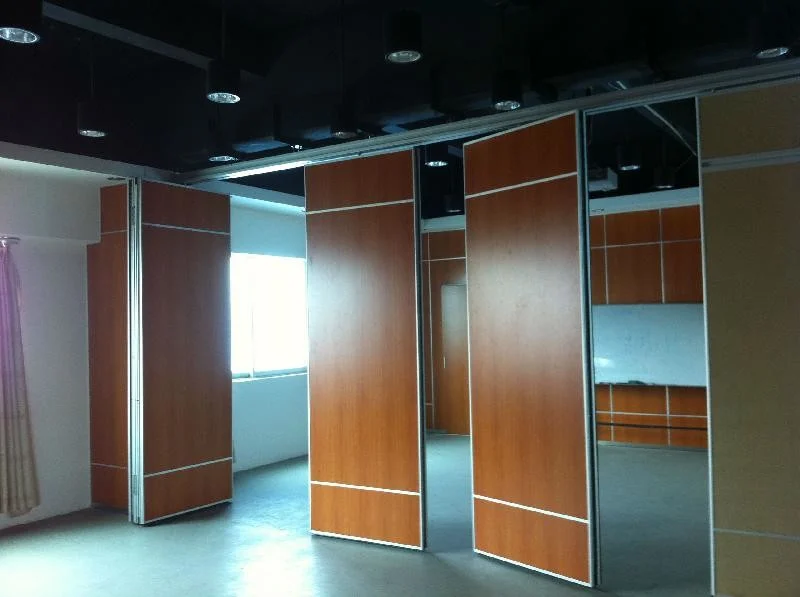
EBUNGE movable partition panels are individually movable, suspended from a top track, cross the opening without a floor track, and park at a planned stacking position. Because the panels travel on an overhead route, the track is the element most likely to be inspected during the life of the installation. If that route is later buried behind a finished ceiling or a raised floor, access becomes a coordination problem rather than a maintenance task.
Access frequency tiering gives architects, contractors and owners a shared vocabulary. Instead of debating access after finishes are installed, the team classifies each track run by how often it is expected to be seen, touched or checked. The classification is a planning assumption, not a measured outcome, and it should be confirmed against the project layout, support conditions and maintenance expectations.
What the Tiering Method Can and Cannot Decide
Coordination scope: movable partition track segment access frequency tiering.
The method can rank track segments by expected inspection frequency. It can flag where a permanent opening may reduce future disruption. It can also show where temporary removal of ceiling or floor finishes is a reasonable service assumption. The suitability of each route and parking arrangement depends on the approved layout, circulation, ceiling interfaces and operating sequence. Those items require separate project-specific evidence.
For example, a straight run serving a frequently reconfigured hotel ballroom may be inspected more often than a short turning segment behind a fixed wall. That difference is a planning signal, not a performance claim. The team should still confirm support, acoustic and dimensional requirements with the responsible parties before finalizing any access strategy.
A Four-Step Tiering Process for Project Teams
Checklist focus: movable partition track segment access frequency tiering.

- Map the movement route. Review the straight, turning and stacking routes from the layout. The exact route, junction arrangement, continuous overhead path and parking position must be confirmed from the coordinated project drawings.
- Mark likely inspection points. Identify where the track changes direction, where panels park, and where the route passes above occupied rooms. These are the segments most likely to need attention.
- Assign a frequency tier. Use the project’s own maintenance expectations to group segments into high, medium and low expected inspection frequency. Do not convert the tier into a performance statement.
- Choose the access strategy. For each tier, decide whether a permanent inspection opening is justified or whether temporary removal of ceiling or floor finishes is acceptable during service.
Comparing Permanent Openings and Temporary Finish Removal
Review focus: movable partition track segment access frequency tiering.
| Planning factor | Permanent inspection opening | Temporary finish removal |
|---|---|---|
| Expected inspection frequency | Higher-frequency segments | Lower-frequency segments |
| Visual impact | Visible access point in the finished surface | No permanent visible access point |
| Coordination load | Resolved during design and installation | Resolved during each service event |
| Documentation need | Access location recorded in project documents | Removal and reinstatement method recorded |
The table is a decision aid, not a specification. Project teams should confirm the final approach against the approved layout, ceiling or floor construction, and the maintenance plan for the building.
Evidence Notes for Access Frequency Tiering
When a project team reviews the tiering, it should keep three questions visible. What is the confirmed movement route? What is the confirmed support condition? What is the confirmed access expectation? If any answer is missing, the tier should be treated as provisional.
Coordinating Access with Finishes and Other Trades
Ceiling and floor finishes are usually installed by other trades. A permanent inspection opening may affect ceiling layout, lighting positions or floor transitions. Temporary removal may affect the sequence of adjacent work. Both approaches need coordination with the trades responsible for those finishes.
Pass-door requirements and project documentation can be discussed with the partition supplier. The supplier can review the layout and confirm which track segments are part of the movable partition scope. The final access decision remains a project responsibility and should be recorded in the maintenance and operations documents.
Common Planning Mistakes to Avoid
- Treating a low-frequency tier as proof that no access will ever be needed.
- Assuming a visible track route is the same as a confirmed support route.
- Leaving access decisions until after ceiling or floor finishes are complete.
Each mistake can be reduced by reviewing the layout early and documenting the assumptions that drive the tiering.
Frequently Asked Questions
What is movable partition track segment access frequency tiering?
It is a planning method that groups track segments by how often they are expected to be inspected. The groups help teams decide where permanent access openings are justified and where temporary removal of ceiling or floor finishes is acceptable.
Does tiering confirm acoustic or structural performance?
No. Tiering is based on expected inspection frequency.
Can every track segment use temporary finish removal?
Not necessarily. Segments with higher expected inspection frequency may justify a permanent opening. The decision should follow the project layout, maintenance expectations and coordination with other trades.
What information is needed to start the tiering?
Start with the layout showing straight, turning and stacking routes, the ceiling or floor construction, and the owner’s maintenance expectations. Confirm support and dimensional requirements before finalizing access provisions.
How should the tiering be documented?
Record the tier for each segment, the chosen access strategy, and the assumptions behind it. Keep the record with the project documentation so future service teams can follow the same logic.
Where can project teams get help with access planning?
Review the movable wall product information and the planning resources, then contact the team to discuss pass-door requirements, documentation and layout review.
Conclusion: Use Tiering to Make Access Decisions Visible
Access frequency tiering does not predict performance. It makes assumptions visible so that permanent openings and temporary finish removal can be chosen deliberately. Review the layout, confirm support, acoustic and dimensional requirements, and document the decision. That discipline helps owners, contractors and designers avoid late changes and keeps the maintenance strategy aligned with the actual movement route.
To discuss your project layout and access planning, contact EBUNGE with your drawings and maintenance expectations.