
Quick answer: movable partition subdivision state ambulant route continuity register
Review focus: movable partition subdivision state ambulant route continuity register.
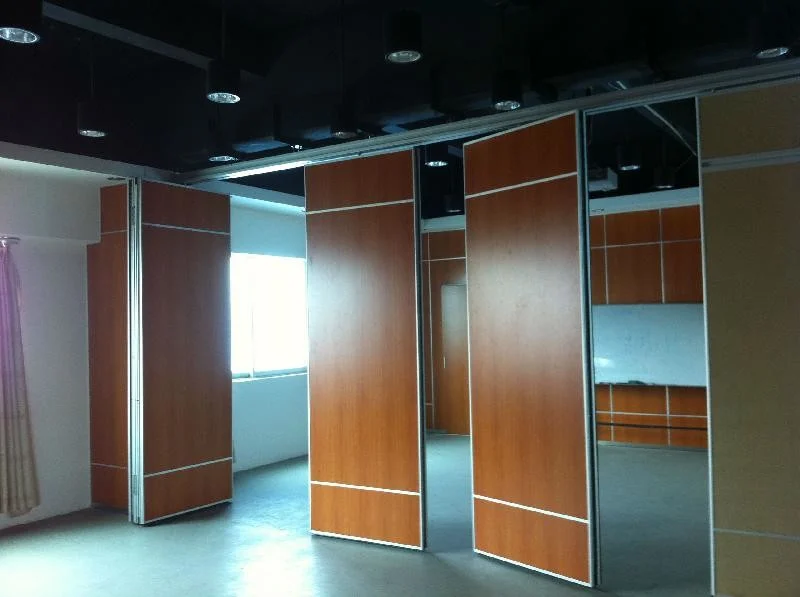
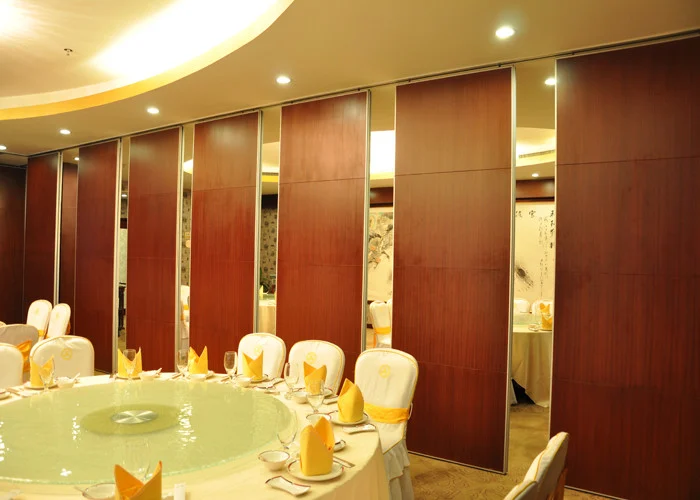
A movable partition subdivision state ambulant route continuity register is a project-side tracking tool. It records each open configuration of a top-hung movable wall system and checks whether that configuration leaves an unobstructed path through the floor plate. Because EBUNGE panels are individually movable, suspended from a top track, cross the opening without a floor track, and park at a planned stacking position, the register focuses on route continuity rather than on partition performance. It helps contractors, architects, interior designers, owners and renovation teams coordinate accessibility and circulation review before installation drawings are finalized.
Why Route Continuity Needs Its Own Register
Project review term: movable partition subdivision state ambulant route continuity register.
Movable walls change the floor plate every time panels are moved. A room that reads as open on one drawing may become a corridor pinch point when panels are parked elsewhere. A register separates two questions that are often mixed together: how the partition divides space, and whether people can still move through the space in each open state.
The register is not a substitute for accessibility design or code review. It is a coordination record that makes open configurations visible to the whole project team. Each entry should reference the layout drawing, the intended stacking position and the route being checked.
Defining Subdivision States Before You Track Them
Coordination scope: movable partition subdivision state ambulant route continuity register.
A subdivision state is one named arrangement of the movable partition system. For example, fully open, partially closed, fully closed and stacked are four common states. The exact list depends on the project layout and how the owner expects to use the space.
State naming that survives handover
Use names that match the operating concept, not internal file numbers. The suitability of each route and parking arrangement depends on the approved layout, circulation, ceiling interfaces and operating sequence.”. Keep the same names in the register, the layout drawings and the handover notes.
What each state must record
- State name and drawing reference.
- Panel position and planned stacking location.
- Route being checked and its start and end points.
- Any fixed obstruction, door swing or furniture zone that affects the route.
- Review status and the person who confirmed it.
Reading Straight, Turning and Stacking Routes

Checklist focus: movable partition subdivision state ambulant route continuity register.
EBUNGE reviews straight, turning and stacking routes from the layout. That review is a planning input, not a guarantee that every route will remain clear in every state. The register should show where a route passes, turns or ends near a stacking position.
The exact route, junction arrangement, continuous overhead path and parking position must be confirmed from the coordinated project drawings. A stacking route ends where panels park, so the register should note whether the parked stack sits inside or outside the intended path.
Evidence note
Do not infer clear width, turning radius, support capacity or acoustic performance from a drawing, finish sample or photograph. Confirm project-specific support, acoustic and dimensional requirements with the project team and the relevant design professionals.
Building the Register: A Step-by-Step Process
- List every intended open configuration and give it a stable name.
- Mark the ambulant route on the layout for each configuration.
- Identify where panels travel, turn and park.
- Note fixed elements that could interrupt the route.
- Flag any configuration where the route is unclear or unresolved.
- Send flagged items for project-specific review before approval.
- Update the register whenever the layout or operating concept changes.
This process keeps the register useful without turning it into a performance claim. It records what has been reviewed and what still needs confirmation.
Coordination With Finishes, Pass Doors and Documentation
Confirmed finish options include laminate, melamine, fabric, leather, glass and other approved surfaces. Keep finish decisions in the finish schedule and route decisions in the register.
Pass-door requirements and project documentation can be discussed with the EBUNGE team. A pass door may change how people move through a closed state, so it should appear in the relevant subdivision state entry. If a pass door is planned, record its position and swing direction on the layout.
Compact comparison: what the register does and does not do
| Register function | What it supports | What it does not replace |
|---|---|---|
| Names open configurations | Shared vocabulary across disciplines | Accessibility code review |
| Marks routes per state | Visibility of potential pinch points | Structural or support engineering |
| Records stacking positions | Coordination with furniture and doors | Acoustic or fire testing |
| Tracks review status | Clear handover of open items | Project-specific dimensional confirmation |
Reviewing the Register With the Project Team
Review the register alongside the partition layout, reflected ceiling plan and furniture plan. The goal is to catch conflicts early, when they are still drawing changes rather than site changes. Contractors can use the register to sequence installation and protection works. Architects and interior designers can use it to check that the intended open states match the design concept.
Where a route cannot be confirmed from available information, mark it as open rather than assuming it works. This is the evidence-bounded approach: state what is known, identify what is not, and route the question to the right reviewer.
Frequently Asked Questions
What is a movable partition subdivision state ambulant route continuity register?
It is a project-side record that lists each open configuration of a movable partition system and tracks whether an unobstructed path remains through the floor plate in that configuration.
Does a top-hung movable wall need a floor track for route continuity?
EBUNGE movable partition panels are suspended from a top track and cross the opening without a floor track. Route continuity still depends on the layout, stacking position and project-specific review.
Can the register confirm acoustic performance?
No. The register is about circulation and open configurations.
How often should the register be updated?
Update it whenever the layout, operating concept, stacking position or pass-door arrangement changes. Treat it as a living coordination document through design and installation.
Who should review the register?
The project team should review it together, including the architect, contractor, owner representative and any accessibility or code reviewer required for the project.
Can EBUNGE help with route and stacking review?
EBUNGE can review straight, turning and stacking routes from the layout and discuss pass-door requirements and project documentation. Final dimensional, support and acoustic requirements remain project-specific.
Conclusion and Next Steps
A movable partition subdivision state ambulant route continuity register gives project teams a clear way to track which open configurations preserve an unobstructed path. Start by listing the intended open states, mark the routes and stacking positions, and review the register with the full project team before installation.
To discuss your layout, route review or documentation needs, contact the EBUNGE team. You can also review the movable wall product range and browse the project resources for further planning context.