
Quick answer: movable partition renovation stage-gate separation continuity certificate
Review focus: movable partition renovation stage-gate separation continuity certificate.
A movable partition renovation stage-gate separation continuity certificate is a project-controlled record that confirms, at a phase boundary, whether the agreed temporary separation provisions are in place and which occupied zones can receive the next stage of work. It is not a product certificate and it does not replace engineering review. It is a coordination document that helps contractors, architects, owners and facility teams pause, verify and release the next phase with a shared evidence base.
Why Renovation Phasing Needs a Separation Continuity Record
Project review term: movable partition renovation stage-gate separation continuity certificate.
Phased renovation often keeps part of a building occupied while work moves through adjacent zones. The risk is not only dust or noise; it is the quiet assumption that a separation line still exists where the drawings say it should. A stage-gate record turns that assumption into a checked condition.
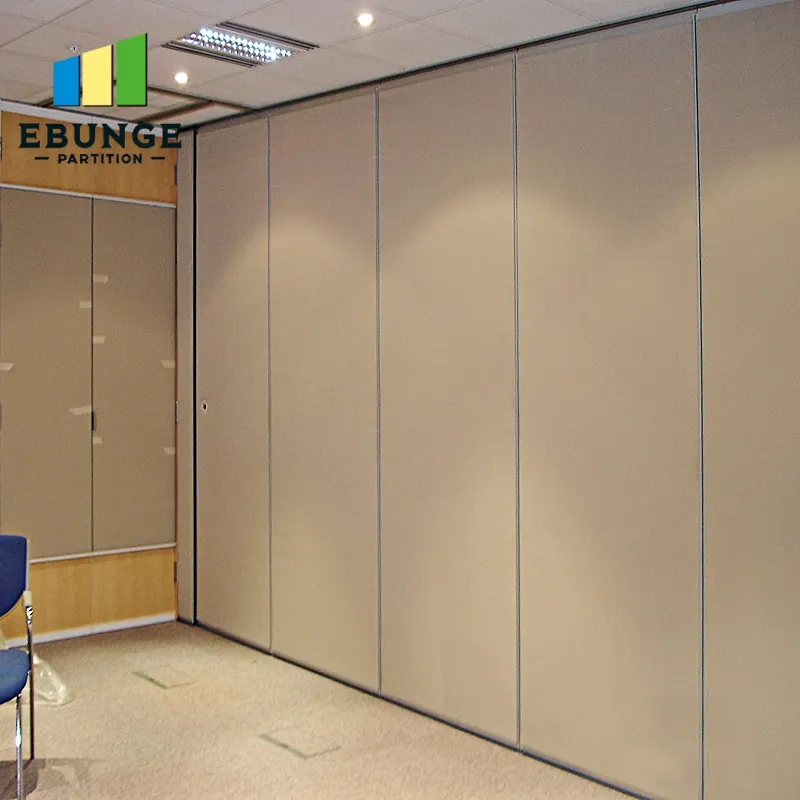
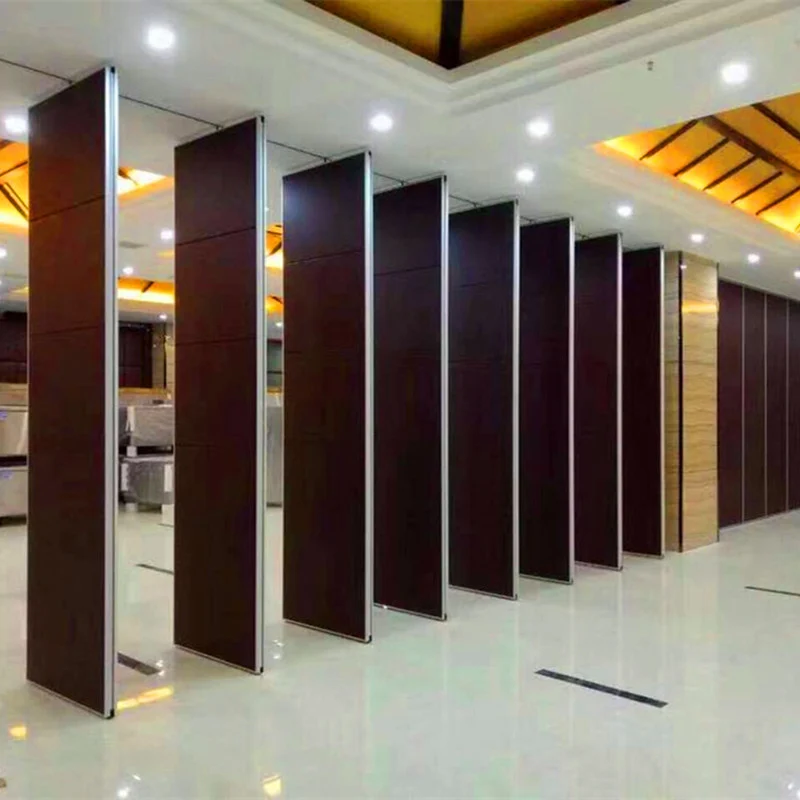
Movable partition panels are individually movable, suspended from a top track, cross the opening without a floor track, and park at a planned stacking position. Those maintained facts matter because they describe how a separation line can be opened, closed and stored as phases change. The suitability of each route and parking arrangement depends on the approved layout, circulation, ceiling interfaces and operating sequence.
What the Certificate Should Contain
Coordination scope: movable partition renovation stage-gate separation continuity certificate.
The certificate is a structured statement of observed and documented conditions. Keep it short enough to be completed at each gate, but specific enough that a reviewer can see what was checked and what remains open.
Core fields
- Phase number, date, zone name and the person confirming the record.
- The separation line as shown on the current coordinated layout, including straight, turning and stacking routes.
- Whether the agreed temporary separation is installed, open, parked or removed at the time of review.
- Which occupied zones are proposed to receive the next phase, and which are excluded.
- Open items, responsible party and the date for re-check.
- A statement that project-specific support, acoustic and dimensional requirements remain subject to separate confirmation.
What it must not claim
Where acoustic intent matters, record the project requirement and the need for matching evidence rather than a number copied from another project.
A Stage-Gate Process for Occupied Zones
Checklist focus: movable partition renovation stage-gate separation continuity certificate.
Use a repeatable sequence so each phase boundary is handled the same way. The steps below are a coordination framework, not a construction method statement.
- Freeze the phase plan. Confirm the zones that remain occupied and the zones that will be worked on next.
- Review the separation route. Check the coordinated layout for straight, turning and stacking routes, and confirm that every proposed movement path has a continuous connected overhead route.
- Inspect the installed condition. Record whether the temporary separation is in place, whether panels are parked at the planned stacking position, and whether any opening is intentionally left clear.
- Confirm interfaces. Note adjacent trades, temporary works and access routes that could affect the separation line.
- Issue the gate decision. Release, hold or release with conditions, with named actions and dates.
- Archive and re-check. Store the record with the phase file and repeat at the next boundary.
Evidence Boundaries Reviewers Should Apply
Review focus: movable partition renovation stage-gate separation continuity certificate.
A certificate is only useful if its limits are visible. The following evidence note can be copied into the project file.
Evidence note: This record confirms coordination status only. Those items require project-specific review against the coordinated drawings and the relevant project documentation. Finish options such as laminate, melamine, fabric, leather, glass and other approved surfaces describe available surface categories, not performance outcomes.
Where a reviewer cannot see supporting information, the correct action is to mark the item open rather than infer a result from a drawing, photograph or finish sample.
Coordination Roles at Each Gate
Project review term: movable partition renovation stage-gate separation continuity certificate.
Different parties hold different parts of the evidence.
| Role | Typical contribution | Limit |
|---|---|---|
| Contractor | Installed condition, access, sequencing | Does not certify design performance |
| Architect or designer | Layout intent, separation route, finish direction | Does not confirm site installation |
| Owner or facility team | Occupied-zone readiness and access constraints | Does not confirm technical performance |
| Supplier or distributor | Product configuration and documentation route | Project-specific requirements still need confirmation |
Pass-door requirements and project documentation can be discussed with the supplier so that the gate record reflects the actual configuration under review. For product context, see the movable wall systems page and the project resources library.
Common Failure Modes and How to Avoid Them
Most gate failures come from treating the certificate as paperwork rather than a check. Avoid these patterns.
- Signing a gate before the separation route has been reviewed against the current layout.
- Assuming a parked panel position is unchanged without a visual check.
- Copying acoustic or fire wording from another project file.
- Releasing an occupied zone while an open item affects its access or separation line.
- Leaving the next gate date blank, which removes the re-check trigger.
Each of these is a coordination issue, not a product limitation. The certificate simply makes the issue visible before work moves forward.
Frequently Asked Questions
Is the separation continuity certificate a product certification?
No. It is a project coordination record. Product performance and compliance documentation are separate and must be confirmed for the specific project.
Can movable partitions be used while part of the building stays occupied?
Movable partitions can be considered wherever flexible spatial division, combination or reconfiguration is required. Whether a specific occupied-zone arrangement is suitable depends on the coordinated layout, support conditions and project requirements.
Does the certificate confirm acoustic performance?
No. It records whether the agreed separation provisions are in place. Acoustic requirements need their own project-specific review and matching evidence.
What layout information is needed before the first gate?
Provide the current coordinated layout showing the separation line, straight, turning and stacking routes, and the zones intended to remain occupied. The route review depends on this information.
How often should the gate be repeated?
At each phase boundary defined by the project team. The frequency follows the renovation programme, not a fixed rule.
Who should sign the certificate?
The parties responsible for the conditions being recorded. Each signer should confirm only what they can verify, with open items carried forward.
Conclusion and Next Step
A stage-gate separation continuity certificate gives renovation teams a disciplined way to confirm that temporary separation provisions are in place and that each occupied zone is ready before the next phase begins. Keep the record evidence-bounded, review the separation route against the coordinated layout, and confirm project-specific support, acoustic and dimensional requirements before release.
To discuss pass-door requirements, documentation and configuration for your project, contact the EBUNGE team.