
Quick answer: architect coordination interface assumption challenge resolution path
Review focus: architect coordination interface assumption challenge resolution path.
An architect coordination interface assumption challenge resolution path is a design-phase method for capturing contested assumptions about track, stack, and ceiling zones before drawings are issued. It gives architects and specialist suppliers a shared log, a routing rule, and a closure test. The goal is not to eliminate every open question, but to make each one visible, owned, and evidence-bounded.
Why Interface Assumptions Become Contested
Project review term: architect coordination interface assumption challenge resolution path.
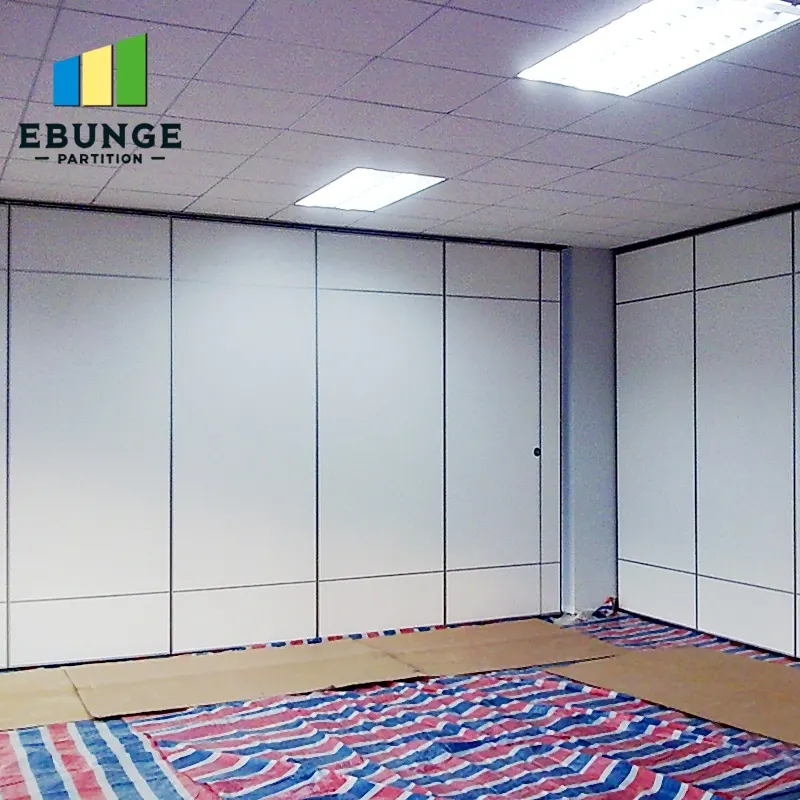
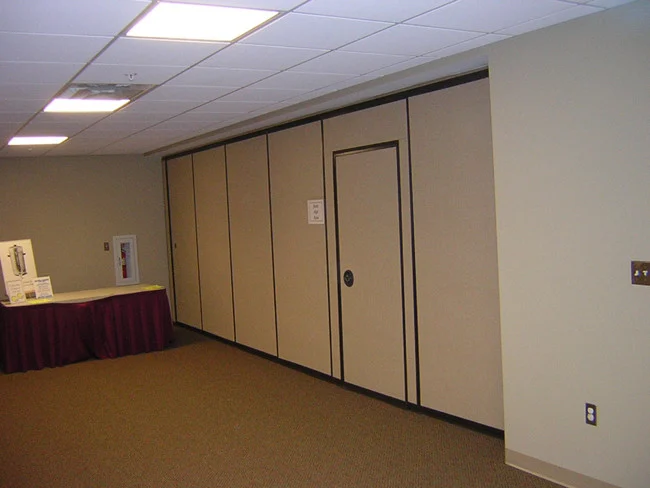
Movable partition panels are individually movable, suspended from a top track, cross the opening without a floor track, and park at a planned stacking position. That simple description hides several interfaces: the overhead route, the parking zone, the ceiling plane, and the adjacent structure. Each interface may be assumed by a different party.
Contests arise when an assumption is treated as a fact. A drawing may show a clean ceiling line, but the coordination question is whether the route is continuous and supported. A layout may show a compact stack, but the coordination question is whether the parking position and surrounding clearances have been reviewed. Neither question can be answered by a generic finish sample or a room name.
Start With a Shared Assumption Log
Coordination scope: architect coordination interface assumption challenge resolution path.
Before any interface is debated, create one log that all parties can see. The log should record the assumption, the zone it affects, the party that raised it, the evidence currently available, and the decision needed. This prevents the same issue from being reopened in separate conversations.
- Track zone: the overhead route, its continuity, and the support review required.
- Stack zone: the planned parking position, its relationship to adjacent walls or columns, and the stacking route.
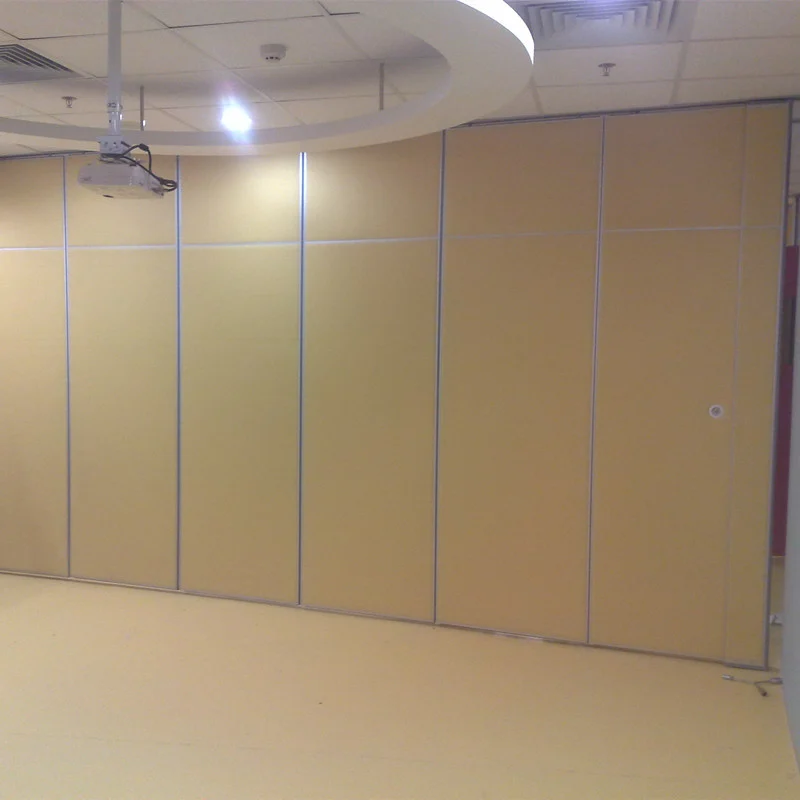
- Ceiling zone: the ceiling plane, any visible or concealed interface, and the finish transition.
- Opening zone: the clear opening, pass-door requirements, and the relationship to adjacent finishes.
Each entry should state what is known, what is assumed, and what must be confirmed. Visible references can support layout discussion but do not verify hidden construction or performance.
A Numbered Resolution Path for Contested Assumptions
Checklist focus: architect coordination interface assumption challenge resolution path.
Use the following sequence to move an assumption from contested to closed. The sequence is deliberately evidence-bounded: it does not require a performance conclusion, only a documented decision.
- Log the assumption. Write it as a single sentence in the shared log, naming the zone and the drawing where it appears.
- Classify the evidence. Mark whether the assumption is supported by a maintained product fact, a project-specific drawing, a project-specific calculation, or nothing yet.
- Route to the owner. Send the entry to the party responsible for that interface, with a clear question and a required response date.
- Review the route. For track, turning, and stacking routes, confirm that the proposed movement path is continuous and connected overhead. The exact route, junction arrangement, continuous overhead path and parking position must be confirmed from the coordinated project drawings.
- Check the stack. Confirm that the parking style is customized to the layout and project requirements, and that compact stacking is only assumed where the coordinated design permits it.
- Close or escalate. The suitability of each route and parking arrangement depends on the approved layout, circulation, ceiling interfaces and operating sequence. If not, escalate to the project-specific support, acoustic, or dimensional review.
Track, Stack, and Ceiling Zones: What to Confirm
Each zone has a different confirmation boundary. The table below is a coordination aid, not a performance statement.
| Zone | Coordination question | Evidence needed |
|---|---|---|
| Track | Is the overhead route continuous and connected? | Project-specific support and route review |
| Stack | Is the parking position coordinated with the layout? | Project-specific stacking and clearance review |
| Ceiling | How does the ceiling plane meet the partition line? | Project-specific dimensional and finish review |
| Opening | Are pass-door requirements and clear openings defined? | Project-specific documentation |
Where acoustic separation matters, confirm the project-specific requirement with the responsible specialist.
Evidence Notes for the Design Team
An interface assumption is closed only when the responsible party has recorded a decision against the correct evidence type. A visible finish, a photograph, or a generic application example is not evidence of hidden performance.
Keep three evidence notes visible in the log. First, maintained product facts describe what the system is and how it moves. Second, project-specific drawings describe the actual layout, route, and parking position. Third, project-specific reviews cover support, acoustics, and dimensions. Do not let one evidence type substitute for another.
This discipline protects the design team from unsupported conclusions. It also gives contractors and owners a clear record of what was decided and what remains open.
Drawing Review Before Issue
Before drawings are issued, run a short review against the log. Confirm that every contested assumption has an owner, a status, and a next action. Confirm that track, turning, and stacking routes are shown as continuous overhead paths. Confirm that the stack position is coordinated with the layout and that ceiling interfaces are dimensionally defined.
If a pass-door is required, record that requirement and route it for project documentation. If a finish is selected, record it as a finish decision only.
Frequently Asked Questions
What is an architect coordination interface assumption challenge resolution path?
It is a design-phase method for logging contested assumptions about track, stack, and ceiling zones, routing them to the responsible party, and closing them with the correct evidence before drawings are issued.
Which project information is required before coordination can close?
You need the layout, the proposed movement and stacking routes, the ceiling interface, any pass-door requirements, and the project-specific support, acoustic, and dimensional reviews. Confirm these with the responsible specialists.
Can a finish option be used as evidence of acoustic performance?
No. Laminate, melamine, fabric, leather, glass, and other approved surfaces are visible finish choices.
How should track and stacking routes be reviewed?
Review them as continuous connected overhead routes. Parking style is customized to the layout and project requirements, and compact stacking is only assumed where the coordinated design permits it.
What should happen when an assumption cannot be closed?
Escalate it to the project-specific support, acoustic, or dimensional review. Record the open status and the required decision so the drawing issue can proceed with a visible boundary.
Does this workflow promise soundproofing or a service life?
No. It is a coordination method. Confirm all project-specific requirements with the responsible parties.
Conclusion and Next Step
A disciplined architect coordination interface assumption challenge resolution path keeps track, stack, and ceiling decisions visible before they become site problems. Start with a shared log, route each assumption to its owner, and close it only with the correct evidence type. Review the movable wall systems and the project resources for maintained product context, then contact EBUNGE to discuss pass-door requirements, project documentation, and your specific layout.