
Quick answer: movable partition circulation spine handover register
Review focus: movable partition circulation spine handover register.
Flexible rooms change shape, but the route people use to enter, leave and move through the floor plate should not become a surprise. A movable partition circulation spine handover register is a simple project record that links each subdivision state to the condition of the primary ambulant route. It helps contractors, architects, facility teams and owners see which configurations keep the route continuous and unobstructed, and which need review before they are used.
This guide explains how to set up and maintain that register using confirmed product facts and project-specific drawing review. It does not replace accessibility codes, fire strategies or local regulations. Instead, it gives teams a shared evidence trail so that circulation decisions are visible, repeatable and easy to hand over.
Why a Circulation Spine Register Matters for Movable Partitions
Project review term: movable partition circulation spine handover register.
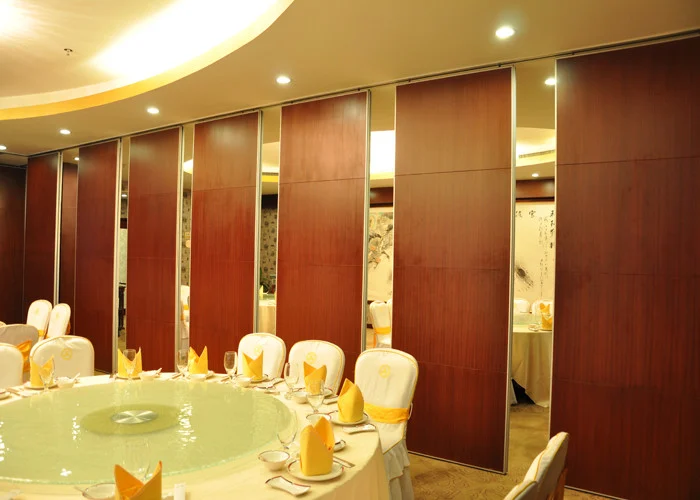
Movable wall panels are individually movable, suspended from a top track, cross the opening without a floor track, and park at a planned stacking position. That clear-floor operation is useful for accessibility because there is no continuous floor running track along the partition line. However, the route through the room still depends on where panels are parked, how subdivision states are arranged, and whether the primary ambulant route remains connected.
A register turns those variables into a controlled list. Each subdivision state gets a row or entry, and each entry records whether the main route is clear, where the parking position sits, and what evidence was reviewed. When a changeover happens, the team can check the register instead of relying on memory.
What the register is not
It is not a certification, a fire strategy or a substitute for project-specific support and acoustic review. It is a coordination tool that helps teams ask the right questions early.
Confirmed Product Facts That Shape the Register
Coordination scope: movable partition circulation spine handover register.
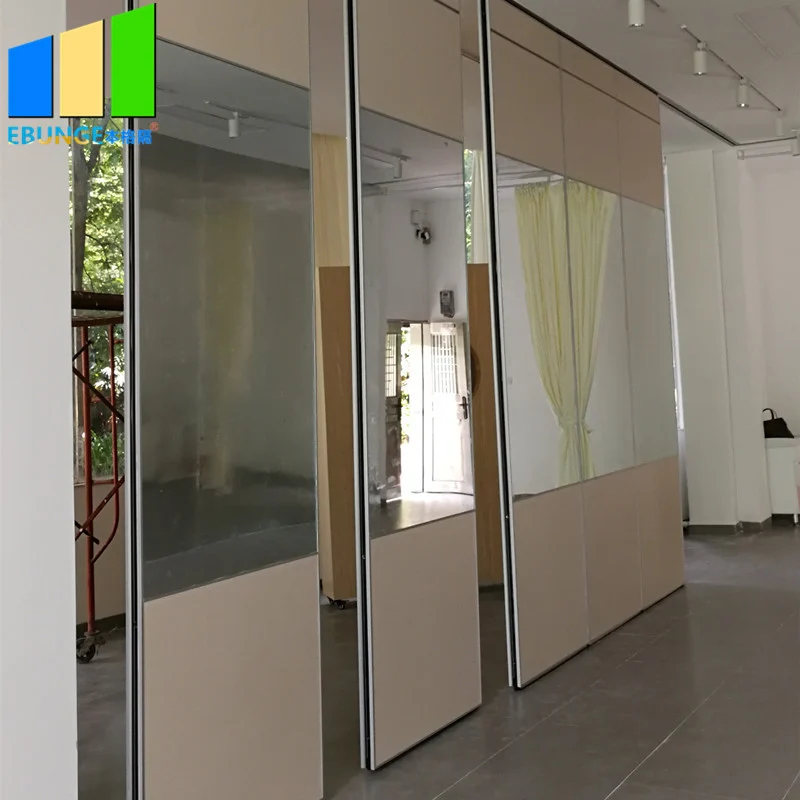
EBUNGE movable partition panels are top-hung and move without a continuous floor running track or floor hardware along the partition line. Straight, turning and stacking routes are reviewed from the layout, and parking style is customized to the customer layout and project requirements. Confirmed finish options include laminate, melamine, fabric, leather, glass and other approved surfaces. Pass-door requirements and project documentation can be discussed.
These facts matter because the register must reflect how panels actually travel. The exact route, junction arrangement, continuous overhead path and parking position must be confirmed from the coordinated project drawings. The register should record the reviewed route, not assume it.
Evidence boundaries to state clearly

Visible references can support layout discussion but do not verify hidden construction or performance. The suitability of each route and parking arrangement depends on the approved layout, circulation, ceiling interfaces and operating sequence. The register should point to the drawings and documents that were actually reviewed.
Building the Register: A Step-by-Step Process
Checklist focus: movable partition circulation spine handover register.
- List every subdivision state. Include open, fully closed, partially closed and any intermediate arrangement the venue expects to use.
- Mark the primary ambulant route. Identify the main path people use to enter, leave and move through the floor plate in each state.
- Record the parking position. Note where panels stack and whether that position affects the route.
- Review the movement route. Check straight, turning and stacking routes against the layout and confirm the overhead route is continuous and supported as required.
- Assign a status. Use clear labels such as compliant, review required or not yet assessed.
- Attach evidence. Reference the drawing, revision number and date reviewed.
- Set a changeover check. Define who updates the register after each reconfiguration.
Decision Checklist for Each Changeover
Review focus: movable partition circulation spine handover register.
Use this checklist before a subdivision state is used. It keeps the review short and focused on visible route conditions.
- Is the primary ambulant route continuous from entry to exit?
- Are parked panels clear of the route and any turning area?
- Does the layout show a connected overhead route for every panel movement?
- Are pass-door requirements recorded where they apply?
- Has the project-specific support and dimensional review been confirmed?
- Is the register entry dated and linked to the current drawing revision?
Compact Comparison: Register Status Labels
| Status | Meaning | Action before use |
|---|---|---|
| Compliant | Route reviewed and clear for this state | Proceed; keep evidence on file |
| Review required | Route may be affected by parking or layout | Check drawings and confirm with the project team |
| Not yet assessed | No review recorded for this state | Do not treat as approved; complete review first |
Coordination Across Design, Installation and Operations
Architects and interior designers can use it to test subdivision states against circulation early. Contractors and installation teams can use it to confirm that reviewed routes match the coordinated layout.
For broader project planning resources, see the EBUNGE resources page. For product context, visit the movable walls product page. When a configuration needs project-specific confirmation, the project team should contact EBUNGE with the layout and requirements.
Handover documentation
At handover, include the register with the as-built drawings, the reviewed subdivision states and the parking positions. Note any states that remain review required. This gives the receiving team a clear starting point rather than an assumption that every arrangement has been checked.
Common Pitfalls and How to Avoid Them
One common pitfall is treating the open state as the only state that matters. In practice, partially closed and fully closed states can change where people walk and where panels park. Another pitfall is recording a route as compliant without linking it to a drawing revision. A third is assuming that a clear floor line means the whole route is clear; the register should cover the full path, including turning and stacking areas.
Keep entries short and factual. If a route condition is uncertain, mark it review required and state what needs confirmation.
Frequently Asked Questions
What is a movable partition circulation spine handover register?
It is a live project record that lists each subdivision state and notes whether the primary ambulant route remains continuous and unobstructed after each changeover. It links each state to the drawings and reviews that support it.
Does a top-hung movable partition always keep the route clear?
No. Top-hung panels move without a continuous floor track, but parked panels, turning routes and stacking positions can still affect circulation. Each layout and subdivision state needs its own review.
Can the register confirm acoustic performance?
No.
Who should update the register after a changeover?
The project should assign a responsible person, often from operations or facility management, to update the register after each reconfiguration. The update should reference the current drawing revision and date.
What should happen if a state is marked review required?
Do not treat that state as approved for regular use until the route, parking position and project-specific support and dimensional requirements have been reviewed and the register is updated.
Does the register replace local accessibility codes?
No. It supports coordination and handover, but local accessibility codes, fire strategies and regulations still apply. Project teams should confirm all project-specific requirements.
Conclusion and Next Steps
A movable partition circulation spine handover register gives teams a practical way to track which subdivision states remain ambulant-route compliant after each changeover.
Start by listing the subdivision states your venue expects to use, then review each one against the layout. Confirm project-specific support, acoustic and dimensional requirements with the project team. To discuss pass-door requirements, documentation or a specific layout, contact EBUNGE.