
Quick answer: movable partition wall tender clarification
Review focus: movable partition wall tender clarification.
Movable partition wall tender clarification response consistency auditing is the discipline of comparing what each bidder was told, what each bidder answered, and whether those answers describe the same scope. It matters because clarification rounds are usually run in parallel, under time pressure, and often by different reviewers. By the time bids return, small wording differences can hide large scope differences.
This framework is written for overseas procurement reviewers, contractors, architects and owners who must decide whether to award on the current responses or issue a common addendum first. It stays inside confirmed product facts: panels are individually movable, suspended from a top track, cross the opening without a floor track, and park at a planned stacking position. Straight, turning and stacking routes are reviewed from the layout. Finish options include laminate, melamine, fabric, leather, glass and other approved surfaces. Pass-door requirements and project documentation can be discussed. Everything else must be confirmed against project-specific drawings and evidence.
Why Clarification Answers Drift Apart
Project review term: movable partition wall tender clarification.
Clarification is not a single conversation. It is a set of parallel conversations, each shaped by the questions a bidder chose to ask and the assumptions a reviewer allowed to pass. Two bidders can receive the same intent and return answers that read similarly while describing different scopes.
Drift usually enters through four doors: scope interpretation, drawing interpretation, documentation expectations, and commercial framing. None of these require bad faith. They require a review method that compares answers against each other, not only against the specification.
Scope interpretation
One bidder may read “partition package” as panels and track only. Another may include coordination of the overhead route, stacking position, finish sampling or pass-door provisions. Both answers can look complete in isolation.
Drawing interpretation
Straight, turning and stacking routes are reviewed from the layout. If bidders received different drawing revisions or different route explanations, their answers may describe different movement paths without either side noticing.
Documentation expectations
Project documentation can be discussed, but what each bidder believes it must submit can differ. That difference often surfaces only after award, when submittals are compared.
A Six-Step Consistency Audit Before Award
Coordination scope: movable partition wall tender clarification.
The audit below is deliberately sequential. Skipping a step tends to produce a tidy summary that hides the very inconsistency the review was meant to find.
- Reconstruct the question log. List every clarification question issued, to whom, on what date, and against which drawing revision.
- Map answers to questions. Place each bidder’s answer beside the question it addresses. Flag answers that address a question nobody asked.
- Normalise vocabulary. Rewrite each answer in neutral terms: what is included, what is excluded, what is assumed, what is deferred.
- Compare scope boundaries. Build a side-by-side view of inclusions and exclusions across bidders.
- Test against the layout. Check whether each answer is consistent with the reviewed straight, turning and stacking routes.
- Decide: award, clarify again, or issue a common addendum. Record the reason for the decision.
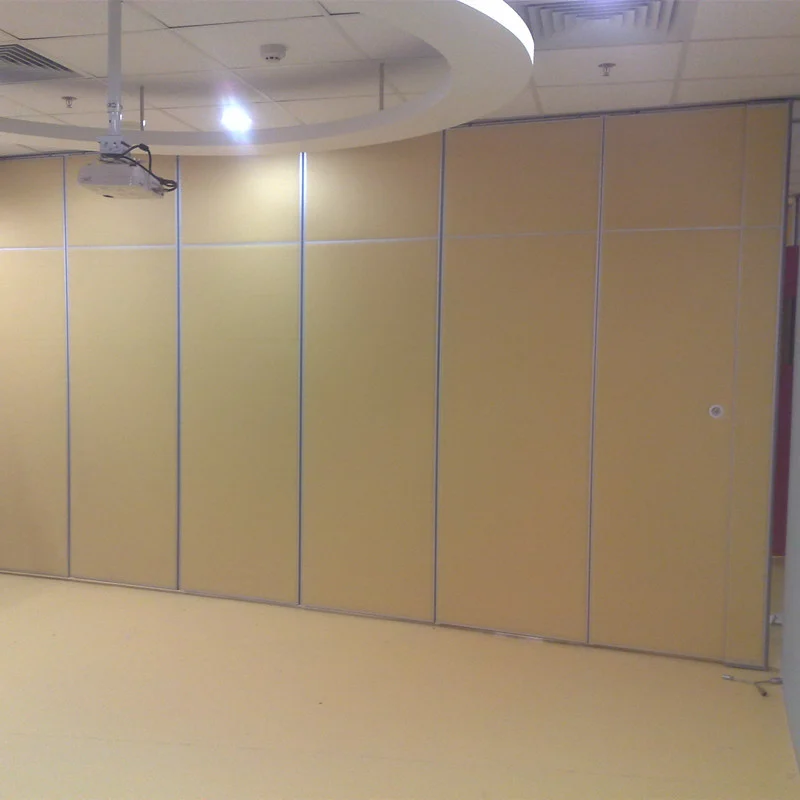
Step five is where many reviews stall, because route questions touch support and structure. Those are project-specific. The reviewer’s job is to confirm that all bidders answered against the same route description, not to resolve engineering questions inside the clarification log.
Building a Comparison Table That Survives Scrutiny
Checklist focus: movable partition wall tender clarification.
A comparison table is only useful if it compares like with like. The suitability of each route and parking arrangement depends on the approved layout, circulation, ceiling interfaces and operating sequence.
| Review row | What to record | Consistency flag |
|---|---|---|
| Scope inclusions | Items the bidder states are included | Differs from other bidders |
| Scope exclusions | Items the bidder states are excluded or by others | Exclusion appears in only one answer |
| Route understanding | How the bidder describes straight, turning and stacking routes | Route description conflicts with the layout |
| Finish assumptions | Which finish options the bidder priced or assumed | Assumed finish not confirmed by the reviewer |
| Pass-door treatment | Whether pass-door requirements were addressed | Addressed by some bidders only |
| Documentation list | Submittals the bidder expects to provide | Lists differ in structure or depth |
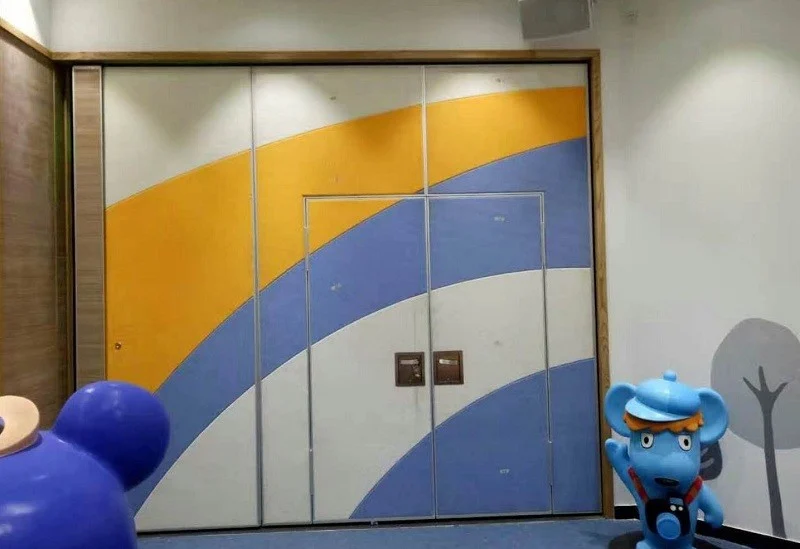
Keep the table factual. Do not score bidders on rows where the specification itself is silent. Silence in the tender is a finding about the tender, not about the bidder.
Evidence Notes: What a Clarification Answer Can and Cannot Prove
Review focus: movable partition wall tender clarification.
Evidence note. A clarification answer is a statement of intent and interpretation. Visible references can support layout discussion but do not verify hidden construction or performance. Where an answer implies such performance, the reviewer should mark it as requiring separate project-specific confirmation rather than treating the answer as proof.
If acoustic separation matters to the project, the requirement must be defined in the specification and confirmed for the specific assembly and site conditions.
Similarly, a finish name is not evidence of cleaning compatibility, wear behaviour or appearance retention. Finish options include laminate, melamine, fabric, leather, glass and other approved surfaces, but suitability for a given room must be confirmed project by project.
When to Issue a Common Addendum Instead of Awarding
Project review term: movable partition wall tender clarification.
Issue a common addendum when the inconsistency is caused by the tender documents, not by the bidders. Typical triggers include: two bidders describing different movement routes; one bidder pricing a finish that others treated as excluded; pass-door requirements addressed by only part of the field; or documentation lists that differ in structure.
Do not issue an addendum merely to equalise commercial positions. If the scope is clear and one bidder simply answered more thoroughly, that is a bidder difference, not a tender defect. Record it and proceed.
A short decision test
- Would a reasonable bidder, reading the same documents, have answered differently? If yes, the tender needs an addendum.
- Is the difference confined to one bidder’s assumptions? If yes, seek targeted clarification.
- Does the difference touch route, support or acoustic requirements? If yes, confirm project-specific requirements before award.
- Can the difference be resolved after award without changing scope? If yes, note it and proceed.
Documenting the Audit for Later Reference
The audit record should be short enough to be read and complete enough to be defended. Keep the question log, the normalised answer map, the comparison table, and the decision note together. Date every entry and reference the drawing revision in force at the time.
This record protects the project later, when a submittal or site question is traced back to a clarification answer. It also makes the award decision explainable to unsuccessful bidders without disclosing commercial details.
For product context, see the movable wall systems page. For broader planning material, see resources.
Frequently Asked Questions
What is movable partition wall tender clarification response consistency auditing?
It is the structured comparison of clarification answers given to different bidders, checking whether they describe the same scope, routes, finishes and documentation expectations before an award decision is made.
Should every inconsistency trigger a common addendum?
No. Issue an addendum when the tender documents caused the difference. When the difference is one bidder’s assumption, targeted clarification is usually more appropriate.
How should route descriptions be compared?
Compare each bidder’s description of straight, turning and stacking routes against the same layout revision. The exact route, junction arrangement, continuous overhead path and parking position must be confirmed from the coordinated project drawings.
Can a clarification answer confirm acoustic performance?
No. Performance must be confirmed for the specific assembly and project conditions.
What if bidders priced different finishes?
Record which finish each bidder assumed and whether the specification confirmed it. Finish options include laminate, melamine, fabric, leather, glass and other approved surfaces, but suitability is project-specific.
How long should the audit record be kept?
Keep it with the tender file so later submittals and site questions can be traced to the clarification position in force at award.
Conclusion
Consistency auditing is not about finding fault. It is about making sure the award decision rests on answers that describe the same project. Reconstruct the question log, normalise the answers, compare scope boundaries, test against the layout, and decide deliberately between award, further clarification and a common addendum.
Confirm project-specific support, acoustic and dimensional requirements before award. For pass-door requirements, project documentation or clarification support, contact the team.