
Quick answer: changeover capacity assumption expiry
Review focus: changeover capacity assumption expiry.
In multi-room venues, scheduling rules often rest on a quiet assumption: that a room can be reset from one layout to another within a known changeover window. The suitability of each route and parking arrangement depends on the approved layout, circulation, ceiling interfaces and operating sequence. This article sets out a movable partition changeover capacity assumption expiry revalidation framework for facility operations planners. Instead, it helps you record what each assumption depends on, when it should be reviewed, and which project-specific confirmations must come from drawings, support review and acoustic review before scheduling rules are relied upon again.
Why Changeover Capacity Assumptions Expire
Project review term: changeover capacity assumption expiry.
A changeover capacity assumption is a planning belief about how a room can be reconfigured. It may depend on the number of panels, the parking position, the route the panels travel, the finish selected, the pass-door arrangement and the way the room is used. None of those inputs is permanent. A layout revision, a change in room use, a new finish direction or a revised opening can all weaken the original basis.
Expiry is not a product failure. It is a documentation event. The assumption was made under one set of project conditions; when those conditions move, the assumption should be re-dated and re-checked. Treating expiry as a normal part of operations planning keeps scheduling rules honest.
What the Maintained Product Facts Allow Us to Say
Coordination scope: changeover capacity assumption expiry.
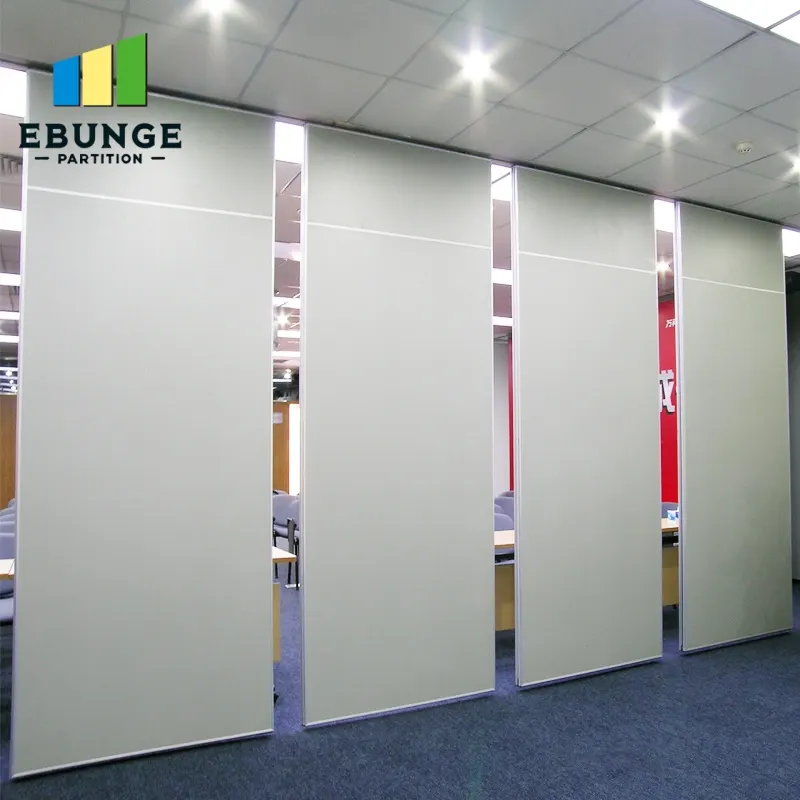
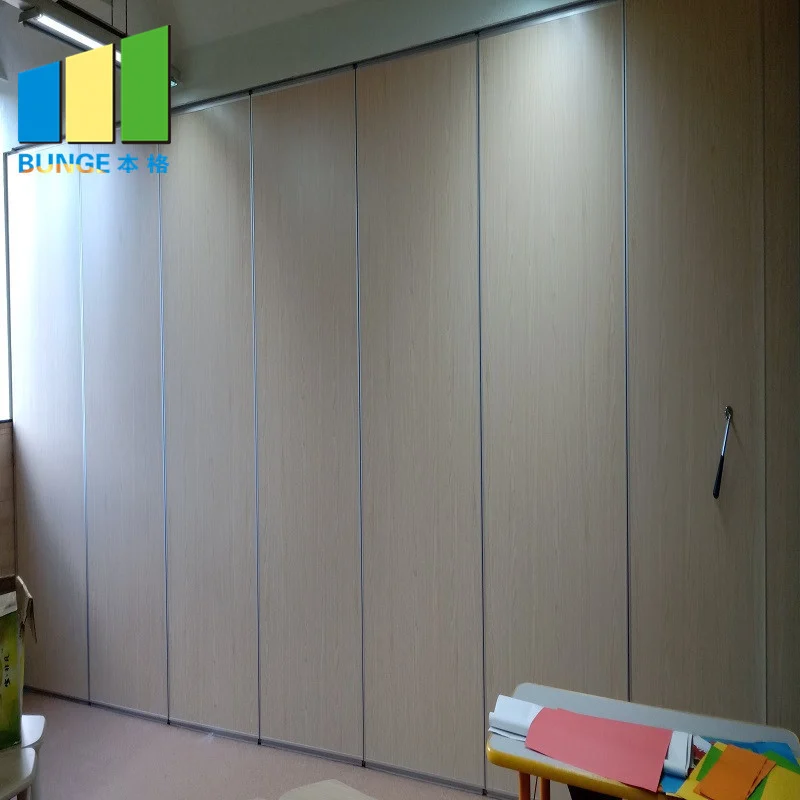
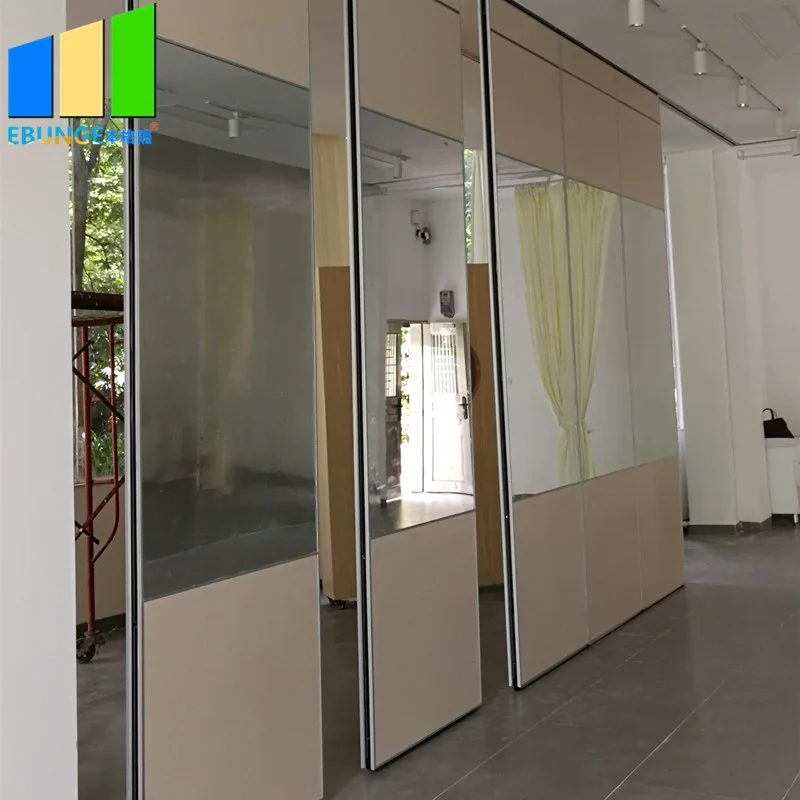
EBUNGE movable wall panels are individually movable, suspended from a top track, cross the opening without a floor track, and park at a planned stacking position. Straight, turning and stacking routes are reviewed from the layout. Confirmed finish options include laminate, melamine, fabric, leather, glass and other approved surfaces. Pass-door requirements and project documentation can be discussed.
Those facts describe a system type and a planning process. The exact overhead route and support arrangement must be confirmed by the responsible project team from coordinated drawings.
A Dating Method for Each Assumption
Checklist focus: changeover capacity assumption expiry.
Give every changeover assumption a record with four fields: the assumption itself, the date it was made, the evidence it rests on, and the trigger that would force review. This turns an informal belief into a managed item.
- State the assumption plainly. Example: the room can be reset from a combined layout to two separate rooms using the planned parking position.
- Date it. Record the date the assumption was accepted and the drawing revision it referenced.
- List the evidence. Note whether the basis was a layout drawing, a finish selection, a pass-door discussion or a project-specific review.
- Name the trigger. Define the change that would invalidate the basis, such as a revised opening, a new stacking position or a different room-use pattern.
- Set a review point. Choose a calendar review or an event-based review, whichever comes first.
Revalidation Triggers to Define Before Scheduling
Review focus: changeover capacity assumption expiry.
Triggers should be specific enough that the assigned operating team reading them would agree on whether they have occurred. The following categories cover the common cases in multi-room venues.
| Trigger category | What changes | What must be re-checked |
|---|---|---|
| Layout revision | Room boundaries, opening width or parking zone move | Straight, turning and stacking routes against the current layout |
| Route change | A proposed movement path crosses an untracked gap | Whether a continuous connected overhead route and project-specific support review exist |
| Finish change | A different approved surface is selected | Whether the finish direction still matches the documented selection |
| Use change | The room is scheduled for a different pattern of use | Whether the original assumption still reflects the way the room is operated |
| Documentation change | Drawings, pass-door requirements or project documents are revised | Whether the assumption record still cites the current revision |
Evidence Boundaries for Planners
Project review term: changeover capacity assumption expiry.
Visible evidence has limits. Visible references can support layout discussion but do not verify hidden construction or performance. Do not derive hidden performance from a visible shape.
Evidence note: Comparative, absolute and causal statements require corresponding evidence. Where evidence is missing, state the exact project-specific confirmation boundary instead of filling the gap with an assumption.
This boundary matters most when scheduling rules are shared across teams. A rule that says a room can be reset in a certain way should point to the assumption record, not to an informal memory of how the room was originally planned.
Coordinating Revalidation Across Teams
Coordination scope: changeover capacity assumption expiry.
That owner does not need to resolve every technical question; the owner needs to know when a question has been raised and who must answer it.
Contractors, architects, interior designers, owners and renovation teams each see different parts of the picture. A drawing review may reveal a route issue. A finish discussion may change a surface direction. A pass-door requirement may affect how a room is operated. Each of these can be a trigger. The register should record the trigger, the date it was identified and the confirmation still outstanding.
Decision Checklist Before Relying on a Scheduling Rule
- Is the assumption written down and dated?
- Does it cite the current drawing revision?
- Are the straight, turning and stacking routes reviewed from the layout?
- Is the parking position still the planned stacking position?
- Are finish selections still within the confirmed options?
- Are pass-door requirements documented?
- Are acoustic, support and dimensional requirements confirmed for the project?
- Is the next review point recorded?
If any answer is no, the scheduling rule should be treated as provisional until the item is closed. This is not a delay tactic; it is how a venue avoids building daily operations on an expired assumption.
FAQ
What is a changeover capacity assumption in a multi-room venue?
It is a planning belief about how a room can be reconfigured, including the route panels travel, the parking position and the layout it returns to. It should be dated and tied to evidence.
When should a changeover assumption be revalidated?
Revalidate when a defined trigger occurs, such as a layout revision, a route change, a finish change, a use change or a documentation change, or at the scheduled review point, whichever comes first.
Can EBUNGE confirm a changeover time for my venue?
No changeover time is promised here. The exact route, junction arrangement, continuous overhead path and parking position must be confirmed from the coordinated project drawings.
Do movable partitions need a floor track?
EBUNGE movable wall panels are top-hung and cross the opening without a floor track. Every proposed movement path still requires a continuous connected overhead route and project-specific support review.
How do acoustic ratings such as STC or Rw fit into this framework?
They are rating systems used in project documentation.
What should be included in the assumption register?
Include the assumption, its date, the evidence it rests on, the trigger that forces review, the current drawing revision and the outstanding confirmations. Keep it with the scheduling rules.
Conclusion and Next Step
Changeover capacity assumptions are useful only while their basis holds. By dating each assumption, naming its triggers and revalidating before scheduling rules are relied upon again, facility operations planners can keep multi-room venues flexible without overstating what the partition system can do. Confirm project-specific support, acoustic and dimensional requirements with the project team.
To discuss pass-door requirements, project documentation or a layout review for your venue, contact EBUNGE. You can also review the movable walls product page and the resources section before your next planning meeting.