
Quick answer: movable partition changeover capacity assumption
Review focus: movable partition changeover capacity assumption.
A movable partition changeover capacity assumption handover dossier is the bridge between construction-stage planning and day-to-day room scheduling. Panel handling and the operating sequence must be confirmed for the selected layout and project conditions. This guide helps facility and operations planners record those assumptions in a structured dossier so steady-state scheduling rests on documented conditions rather than inherited ones. It stays within confirmed product facts and marks where project-specific review is required.
Why a Handover Dossier Matters for Steady-State Scheduling
Project review term: movable partition changeover capacity assumption.
Construction-stage planning answers questions about layout, routes and finishes. Steady-state scheduling answers different questions: which rooms can be combined, how often, and under what conditions. Without a dossier, schedulers may assume a changeover is possible simply because the panels exist. The dossier separates what was confirmed during planning from what still needs project-specific review.
The dossier is not a performance certificate. It is a record of operating conditions. It should state the confirmed configuration, the routes reviewed from the layout, and the items that remain open. That structure prevents a scheduling team from treating an unverified assumption as a fixed rule.
What the Dossier Should Contain
Coordination scope: movable partition changeover capacity assumption.
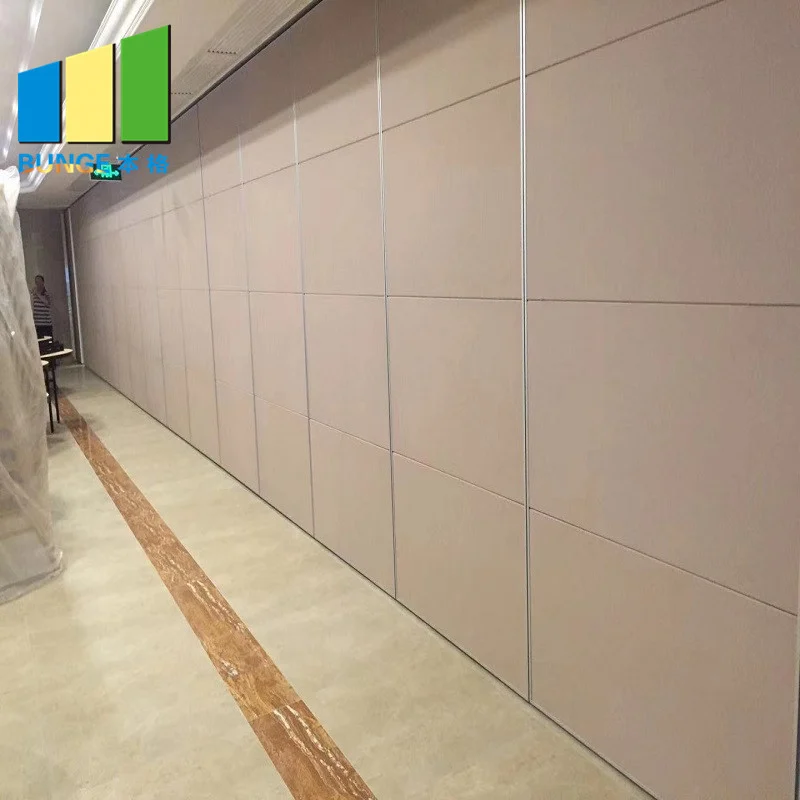
A useful dossier is short, specific and tied to the handed-over configuration. It should describe the panel system as confirmed: individually movable panels suspended from a top track, crossing the opening without a floor track, and parking at a planned stacking position. It should also record the straight, turning and stacking routes reviewed from the layout.
- Confirmed configuration summary: panel type, finish option and parking arrangement as handed over.
- Route record: the straight, turning and stacking paths reviewed from the layout.
- Operating conditions: which room combinations were planned and which remain subject to review.
- Open items: pass-door requirements, acoustic questions and dimensional checks still to be confirmed.
- Documentation references: drawings, schedules and correspondence that support each statement.
Each item should point to a source. If a statement cannot be traced to a drawing or a written confirmation, it belongs in the open-items list, not in the confirmed section.
Separating Confirmed Conditions from Inherited Assumptions

Checklist focus: movable partition changeover capacity assumption.
Inherited assumptions often sound reasonable. A scheduler may believe a room can be divided on short notice because the panels are movable. The dossier should test that belief against documented conditions. Movable panels are individually movable and top-hung, but the route they follow must be a continuous connected overhead route reviewed for the project.
Confirmed conditions
Confirmed conditions are those supported by the handed-over layout and written project documentation. They may include the parking position, the reviewed route and the finish option selected from laminate, melamine, fabric, leather, glass or another approved surface.
Assumptions requiring review
The exact route, junction arrangement, continuous overhead path and parking position must be confirmed from the coordinated project drawings. These should be flagged for the project team rather than used as scheduling rules.
A Step-by-Step Process for Compiling the Dossier
Review focus: movable partition changeover capacity assumption.
- Gather the handed-over layout and any route drawings reviewed during construction-stage planning.
- List the confirmed configuration facts: top-hung panels, no floor track along the partition line, and the planned stacking position.
- Record each route reviewed from the layout, including straight, turning and stacking paths.
- Note the finish option and any approved surface selected for the project.
- Identify open items such as pass-door requirements, acoustic questions and dimensional checks.
- Assign each open item to a responsible party for project-specific confirmation.
- Review the dossier with the scheduling team before it becomes a working reference.
The process should be repeated whenever the configuration changes. A dossier that is not updated can become a source of inherited assumptions rather than a record of confirmed conditions.
Using the Dossier in Room Scheduling Decisions
Schedulers need to know which room combinations are supported by the handed-over configuration. The dossier should make that clear without implying performance that has not been confirmed. For example, it can state that a room can be divided using the reviewed route and parking position, while noting that acoustic and dimensional requirements remain subject to project-specific confirmation.
Where a scheduling request falls outside the documented conditions, the dossier should direct the team to the project contact rather than allow an informal workaround. The suitability of each route and parking arrangement depends on the approved layout, circulation, ceiling interfaces and operating sequence.
Evidence Boundaries and What Not to Infer

The dossier should not derive hidden performance from a visible finish, a photograph or a drawing. A laminate surface does not confirm acoustic behaviour. A parking position does not confirm changeover time.
Record only what the project documentation supports. Mark everything else as requiring project-specific review.
If acoustic separation is a scheduling concern, the project team should confirm the relevant requirements for the specific configuration.
Coordinating with the Project Team
The dossier is most useful when it is compiled with the parties who hold the construction-stage information. Contractors, architects and interior designers can confirm which routes were reviewed and which finishes were approved. Owners and facility managers can confirm how rooms are expected to be used.
Pass-door requirements and project documentation can be discussed with the project team. Where a question cannot be answered from the handed-over documents, it should be raised through the contact channel rather than resolved by assumption. Additional planning context is available in the resources section, and the maintained product overview is available on the movable walls page.
Common Gaps That Weaken a Handover Dossier
Several gaps appear repeatedly. The first is a missing route record: the layout shows the panels but not the paths reviewed for movement. The second is an unstated parking position, which leaves schedulers guessing where panels will rest. The third is a finish list without confirmation of which option was actually handed over.
Another gap is the absence of an open-items list. When every statement is presented as confirmed, the scheduling team has no way to distinguish documented conditions from inherited assumptions. A short open-items list is more useful than a long list of unsupported certainties.
Frequently Asked Questions
What is a movable partition changeover capacity assumption handover dossier?
It is a structured record of the operating conditions behind a handed-over movable partition configuration. It separates confirmed conditions from assumptions that still require project-specific review.
Who should compile the dossier?
Facility and operations planners should lead the compilation, working with the contractors, architects and designers who hold the construction-stage information.
Does the dossier confirm acoustic performance?
No. It records what was confirmed and what remains open. Acoustic requirements should be confirmed for the specific project configuration.
How often should the dossier be updated?
It should be reviewed whenever the configuration, route or intended room use changes, and before it is used as a scheduling reference.
What if a scheduling request falls outside the documented conditions?
The request should be referred to the project team for confirmation rather than resolved through an informal assumption.
Can the dossier include finish options?
Yes. It can record the finish option selected from laminate, melamine, fabric, leather, glass or another approved surface, provided the selection is confirmed for the project.
Conclusion: Documented Conditions, Not Inherited Assumptions
A movable partition changeover capacity assumption handover dossier gives facility teams a defensible basis for steady-state room scheduling. It records the confirmed configuration, the routes reviewed from the layout and the items that still require project-specific confirmation.
Before using the dossier as a scheduling reference, confirm project-specific support, acoustic and dimensional requirements with the project team. To discuss pass-door requirements, documentation or a specific configuration, contact EBUNGE.