
Quick answer: movable partition track anchor setting-out datum chain verification
Review focus: movable partition track anchor setting.
The suitability of each route and parking arrangement depends on the approved layout, circulation, ceiling interfaces and operating sequence. EBUNGE movable partition panels are individually movable, suspended from a top track, cross the opening without a floor track, and park at a planned stacking position. Because the panels hang from above, the ceiling interface is where small setting-out disagreements become visible. This article sets out a verification sequence for overseas project teams, bounded by maintained product facts and project-specific drawing review.
Why the Datum Chain Matters at the Ceiling Interface
Project review term: movable partition track anchor setting.
A datum chain is only as good as its weakest transfer. The result is not a drawing error but a coordination gap.
For a top-hung system, the track route must be continuous and supported along its full length. Straight, turning and stacking routes are reviewed from the layout, so the track origin is not a single point — it is the start of a route that must remain traceable to both grids. Verification therefore happens before fixing, not after.
Information to Collect Before Setting Out
Coordination scope: movable partition track anchor setting.
Record the interface decision in the drawing set
Checklist focus: movable partition track anchor setting.
Before the drawing package is released, place the partition line, the adjacent wall-mounted item, and the intended interface on the same coordinated view. Identify the drawing number, revision, responsible discipline, and open decision beside the detail. For movable partition track anchor setting-out datum chain verification, this creates a traceable review point without assuming that a typical detail applies to the current room. The project team can then compare reflected ceiling plans, elevations, sections, and equipment layouts against one current reference.
Use a short interface register to record what is confirmed, what remains open, who owns the next response, and which revision will close the item. The register should distinguish a dimensional input from a product selection and from an installation sequence. That separation helps reviewers avoid treating an early coordination note as an approved construction instruction.
Setting-out verification depends on documents, not assumptions. Confirm which revision is current and record it.
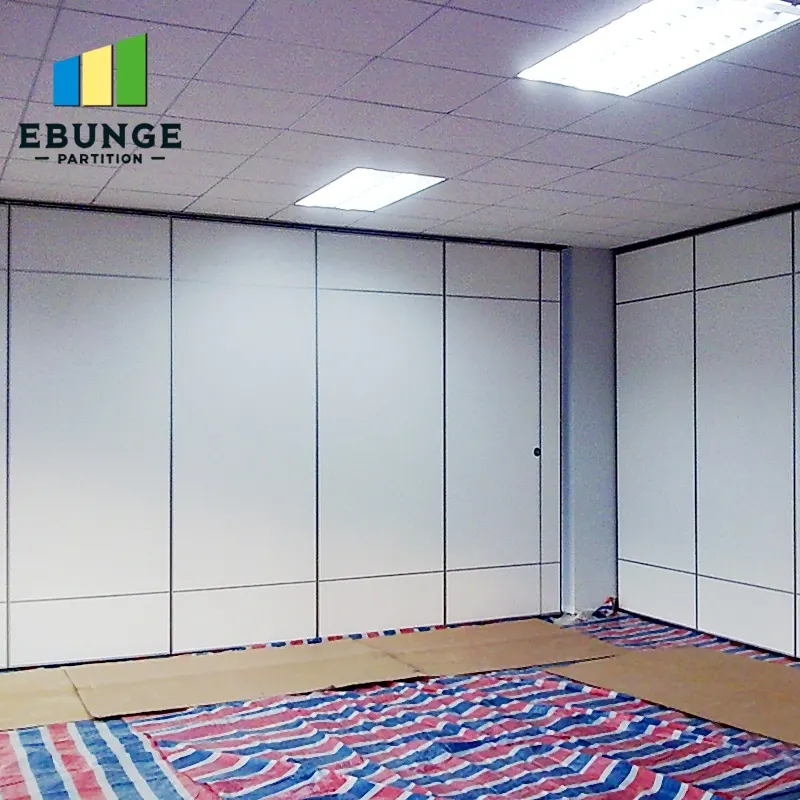
Where pass-door requirements exist within the partition run, note them on the same layout so the track route and opening positions are read together. Project documentation can be discussed with the supplier, but the setting-out responsibility remains with the project team and its appointed trades.
The Verification Sequence, Step by Step
Review focus: movable partition track anchor setting.
- Establish the primary datum. Confirm the project’s agreed horizontal and vertical reference, and record where it physically exists on site.
- Transfer to the ceiling grid.
- Locate the track origin. Dimension the track origin from the same primary datum, not from a secondary reference.
- Trace the full route. Walk the straight, turning and stacking routes and confirm each segment is continuous and supported in principle.
- Cross-check all three.
- Resolve before fixing. Escalate disagreements for design review before any anchor is installed.
Evidence Boundaries: What Setting-Out Cannot Prove
Review responsibilities before document release
Assign each review question to the discipline that controls the relevant document. The architect can confirm room use and visible alignment, the interior package can identify wall-mounted accessories, and the partition supplier can review the supplied opening and interface information. The purpose is not to transfer design responsibility; it is to make the missing input visible before procurement or installation planning proceeds.
For movable partition track anchor setting-out datum chain verification, record responses directly against the current issue rather than in an isolated message thread. If a dimension or location changes, reopen the linked interface item and check the affected views again. Keep superseded decisions available for traceability, but mark the current response clearly so estimators, coordinators, and site teams are not working from different assumptions.
Accurate setting-out confirms geometric traceability. Those require separate project-specific evidence and review.
Evidence note: a verified datum chain demonstrates that references agree. It is not evidence of support capacity, acoustic rating, or approval of any anchor type. Confirm project-specific support, acoustic and dimensional requirements with the responsible engineer and supplier before fixing.
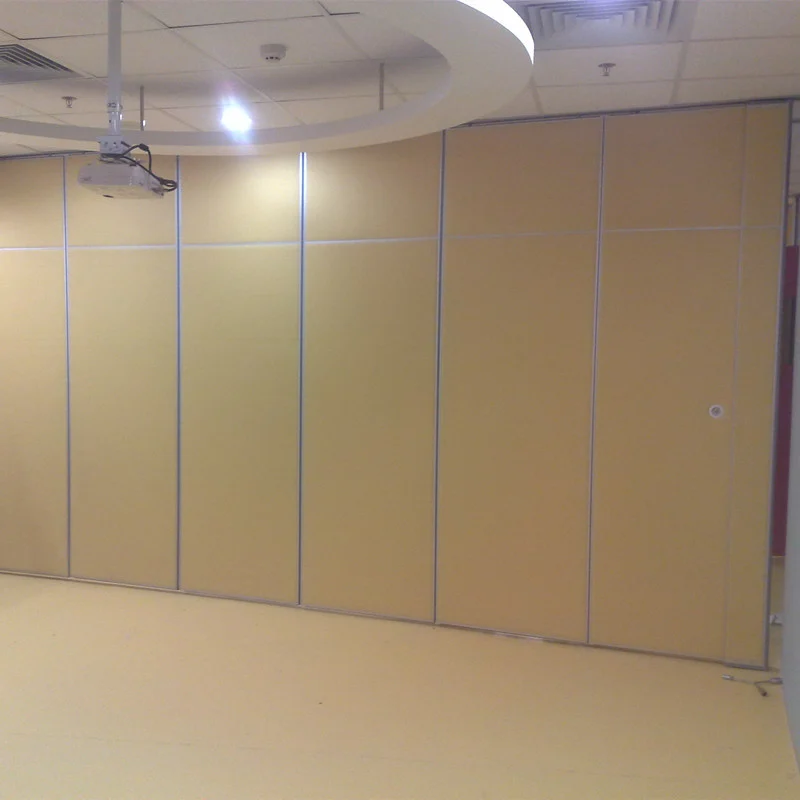
Where acoustic separation matters, the requirement must be confirmed for the specific assembly and interface.
Coordination Checklist for the Site Team
- Current drawing revisions identified and recorded.
- Primary datum physically marked and protected.
- Ceiling grid origin documented and compared.
- Track origin dimensioned from the primary datum.
- Straight, turning and stacking routes traced as one continuous overhead path.
- Pass-door positions shown on the same layout.
- Offsets logged and escalated before anchor fixing.
- Finish schedule aligned with the approved ceiling interface.
Interface Points That Commonly Drift
Ceiling void depth and services
Services routed through the ceiling void can shift the ceiling grid after the track route is set out. Verify the ceiling grid again once service coordination is frozen, and confirm that the track route remains clear.
Renovation and existing structures
Treat surveyed conditions as the working reference and confirm any deviation with the design team before setting out the track origin.
Finish transitions
Confirmed finish options include laminate, melamine, fabric, leather, glass and other approved surfaces. Finish selection does not change the setting-out sequence, but it may affect ceiling interface details, so confirm the approved finish schedule alongside the track layout.
Documentation and Handover
This record supports later inspection and helps the project team demonstrate that fixing began from a traceable reference.
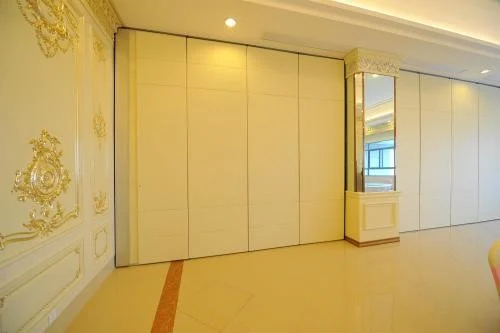
Project documentation, including pass-door requirements and interface details, can be discussed with EBUNGE. Review the movable partition wall product page and the technical resources for maintained product context before finalising the sequence.
Frequently Asked Questions
What is a datum chain in movable partition setting-out?
Provide the current layout, opening dimensions, ceiling information, intended room use, and relevant project drawings for review. The exact overhead route and support arrangement must be confirmed by the responsible project team from coordinated drawings.
When should verification happen relative to track fixing?
Before any anchor is fixed. Once anchors are installed, correcting a disagreement becomes far more disruptive than resolving it at setting-out stage.
Does verification confirm acoustic performance?
No. It confirms geometric traceability only.
Can the track route include turns and a stacking position?
Yes. Straight, turning and stacking routes are reviewed from the layout, and each proposed route requires a continuous connected overhead path with project-specific support review.
What if the ceiling grid moves after setting out?
Re-verify the ceiling transfer against the primary datum and the track origin, then record the revised relationship before fixing proceeds.
Who should confirm support and dimensional requirements?
Confirm project-specific support, acoustic and dimensional requirements before work begins.
Conclusion and Next Step
Visible references can support layout discussion but do not verify hidden construction or performance.
To discuss your layout, pass-door requirements and project documentation, contact the EBUNGE team and share the current drawings for review.