
Quick project answer
Review focus: tender query response consistency auditing.
Movable partition wall tender query response consistency auditing is the discipline of comparing every clarification answer issued to competing bidders, line by line, before an award decision is signed. When a tender includes top-hung operable partitions, the answers given to Bidder A, Bidder B and Bidder C can quietly diverge on route logic, finish scope, pass-door treatment and documentation. Those divergences become contract risk. This framework gives procurement reviewers a repeatable way to detect them, classify them and decide whether a formal addendum is required.
Why Consistency Auditing Matters More Than Answer Quality
Project review term: tender query response consistency auditing.
A single well-written clarification response can still be inconsistent with the response issued to another bidder. If one bidder is told the stacking position is fixed and another is told it is flexible, the tender is no longer comparing like with like. The suitability of each route and parking arrangement depends on the approved layout, circulation, ceiling interfaces and operating sequence.
This matters most where the partition package touches architecture, structure and services. A top-hung system crosses the opening without a floor track, so the overhead route, support condition and parking zone must be coordinated early. If those points are answered differently to different bidders, the resulting bids may not be comparable at all.
Build a Query Register Before You Compare Answers
Coordination scope: tender query response consistency auditing.
Consistency auditing fails when reviewers work from memory or from scattered email threads. Start by building a single query register that captures every clarification question issued, the date it was issued, the bidders who received it, and the answer each bidder received. This register becomes the audit trail.
Minimum register fields
- Query reference number and issue date
- Exact question text as issued
- Bidder name and response date
- Answer text, quoted verbatim
- Any drawing, schedule or document attached to the answer
- Reviewer flag: consistent, divergent or contradictory
Keep the register in one controlled file. If answers are issued verbally or in separate threads, reconstruct them in writing and confirm with the bidder before relying on them.
Classify Divergence: Consistent, Divergent or Contradictory
Checklist focus: tender query response consistency auditing.
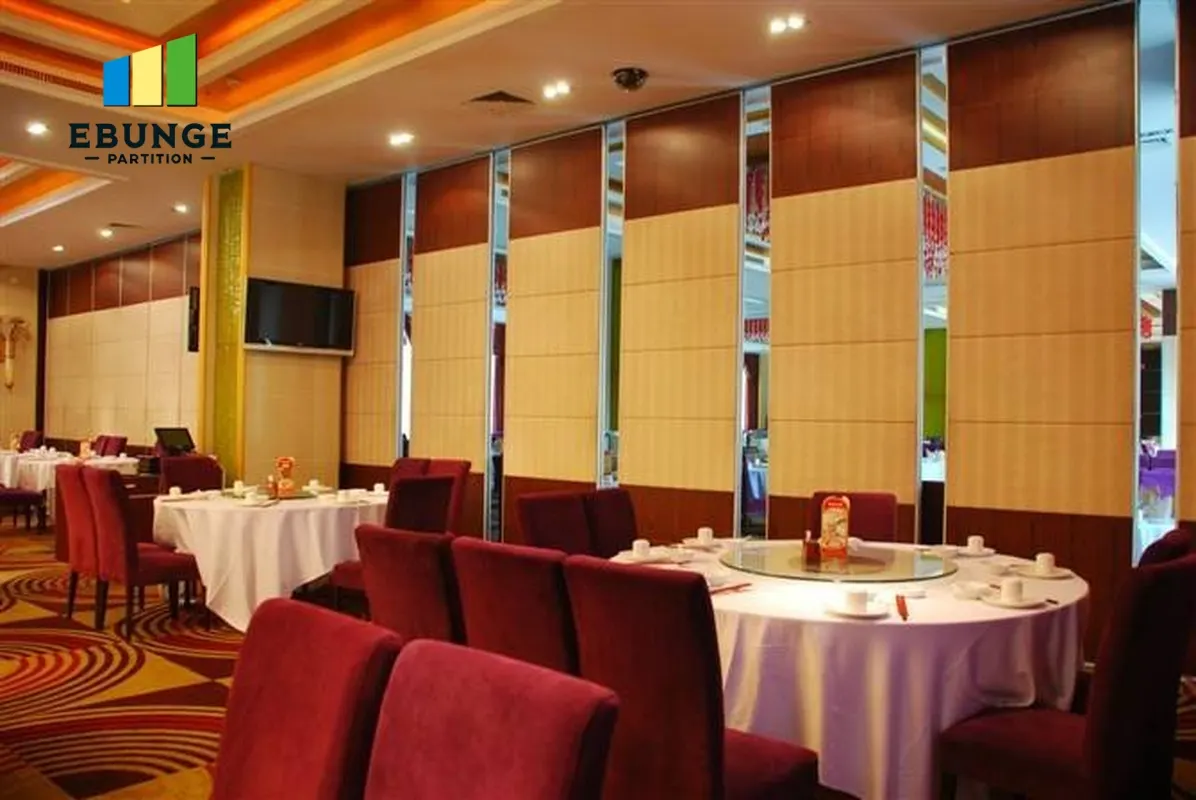
Not every difference is a problem. Reviewers need three categories. A consistent answer conveys the same requirement in different words. A divergent answer adds or omits scope without directly conflicting. A contradictory answer states a requirement that cannot be true at the same time as another bidder’s answer.
| Category | Example pattern | Typical action |
|---|---|---|
| Consistent | Same route logic described with different phrasing | Record and close |
| Divergent | One answer mentions a finish option the other omits | Clarify scope in writing |
| Contradictory | Different stacking positions or pass-door treatments | Escalate for addendum decision |
Contradictions are the priority. They usually indicate that the underlying project information was ambiguous, not that a bidder misunderstood.
Audit the Route, Parking and Finish Answers Together
Review focus: tender query response consistency auditing.
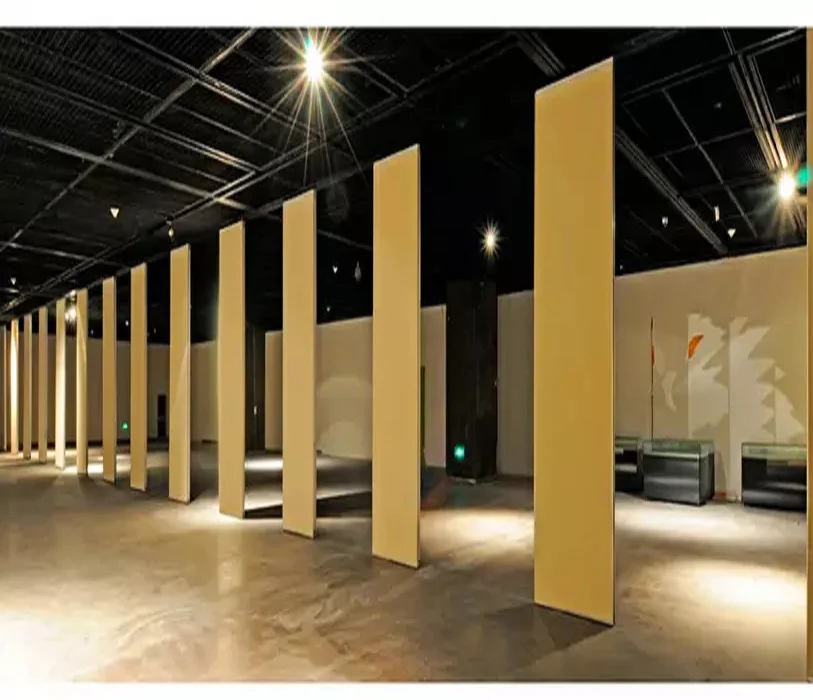
Movable partition answers rarely stand alone. The exact route, junction arrangement, continuous overhead path and parking position must be confirmed from the coordinated project drawings.
Route and parking checks
- Confirm every answer references the same layout drawing revision.
- Check that straight, turning and stacking routes are described consistently.
- Verify that parking position assumptions match across bidders.
- Flag any answer that assumes a continuous overhead route without project-specific support review.
Finish answers need the same treatment. Confirmed finish options include laminate, melamine, fabric, leather, glass and other approved surfaces. If one bidder is told a finish is available and another is not, the tender scope has drifted.
Handle Pass-Door and Documentation Answers Carefully
Pass-door requirements are a common source of inconsistency because they sit between the partition package and the door package. Answers should state clearly whether a pass door is included, how it is coordinated and what documentation is expected. Reviewers should not infer performance from a description alone.
Documentation answers also diverge easily. One bidder may offer shop drawings, another may offer only a schedule. Before award, confirm that the documentation scope is identical for every bidder, or record the difference as a commercial variable rather than a technical one.
Evidence note: a finish name, a route description or a drawing symbol is not evidence of acoustic performance, structural capacity or application reference outcomes. Those require project-specific confirmation.
Decide Whether a Formal Addendum Is Required
Once divergence is classified, the reviewer must decide whether to issue a formal addendum, a clarification letter or no action. The decision should be documented, not implied.
Addendum decision checklist
- Does the contradiction affect price comparability?
- Does it change the route, parking or support assumption?
- Does it alter finish scope or pass-door scope?
- Would leaving it unresolved create a post-award variation risk?
- Can the issue be resolved by a written clarification to all bidders?
If two or more answers cannot both be correct, an addendum is usually the safer route. It resets the baseline for every bidder and preserves the audit trail.
Keep Acoustic Language Conceptual, Not Numerical
Reviewers should avoid treating a rating reference in a bidder answer as proof of performance. Instead, confirm that the project’s acoustic requirement is stated consistently and that any claim is supported by project-specific evidence.
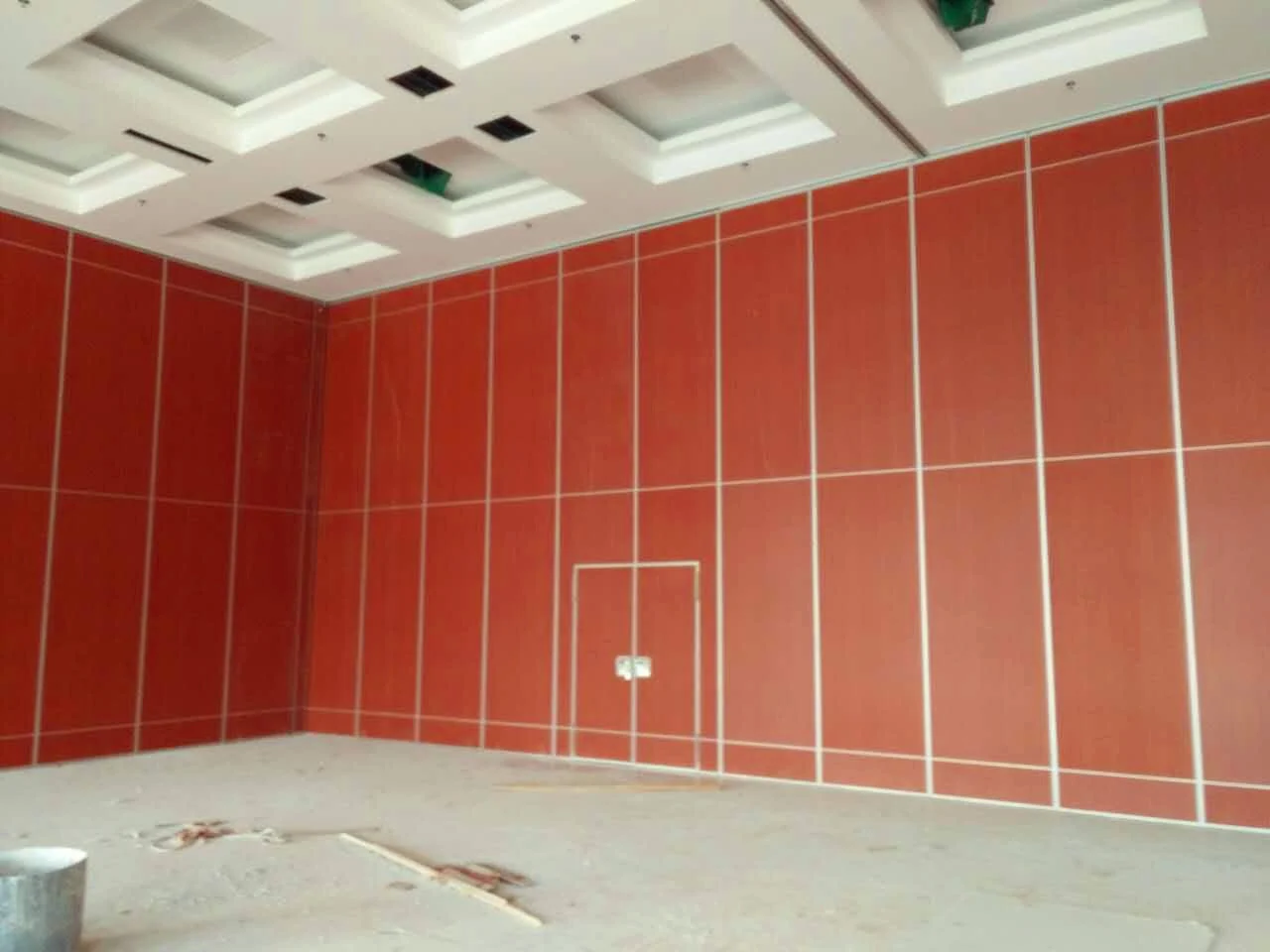
Do not infer performance from a finish, a drawing or a photograph.
FAQ: Tender Query Response Consistency Auditing
What is movable partition wall tender query response consistency auditing?
It is the process of comparing every clarification answer issued to competing bidders, checking that the same project requirements were communicated, and flagging divergent or contradictory responses before award.
How many bidders should be included in the audit?
Include every bidder who received a clarification answer. Even bidders who are unlikely to win should be audited, because their answers may reveal ambiguity in the tender documents.
When should a formal addendum be issued?
Issue an addendum when answers cannot both be correct, when price comparability is affected, or when route, parking, finish or pass-door scope differs between bidders.
Can a reviewer rely on verbal clarifications?
No. Verbal answers should be reconstructed in writing and confirmed with the bidder before they are used in the audit or in the award decision.
Does a finish answer prove acoustic performance?
No. Finish options such as laminate, melamine, fabric, leather and glass describe surfaces, not acoustic outcomes.
What project information is needed for a reliable audit?
Reviewers need the current layout drawing revision, the query register, all written answers, and confirmation of route, parking, finish and pass-door requirements. Confirm project-specific support, acoustic and dimensional requirements with the project team.
Conclusion: Audit Before You Award
Consistency auditing protects the integrity of the tender. By registering every query, classifying divergence, checking route and finish answers together, and deciding formally on addenda, procurement reviewers can compare bidders on the same basis.
To discuss pass-door requirements and project documentation, contact EBUNGE. You can also review the movable wall product range and the project resources for further planning context.