
Quick answer: changeover capacity stress
Review focus: changeover capacity stress.
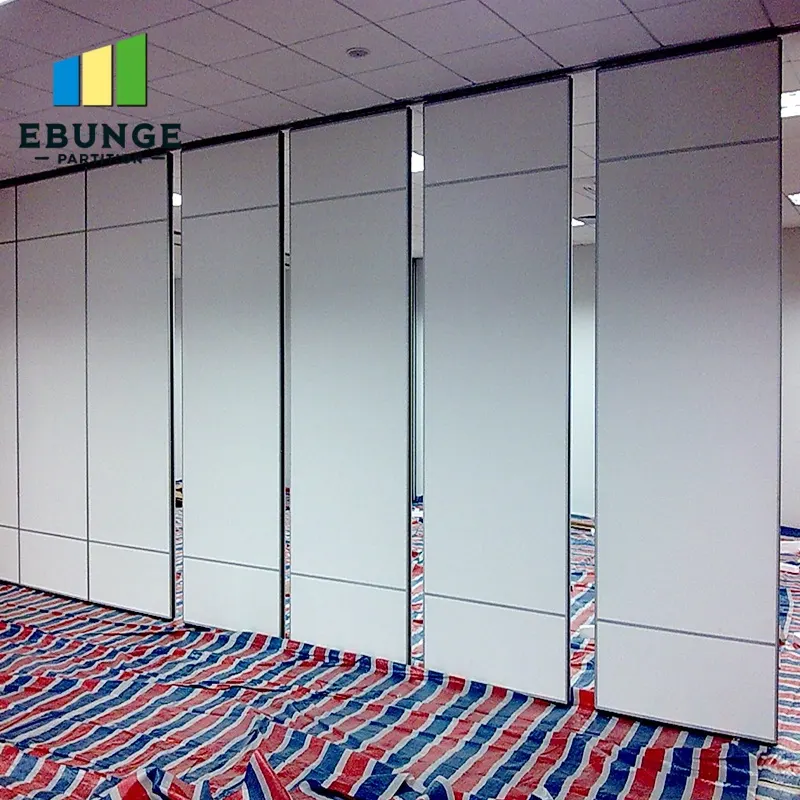
A movable partition changeover capacity stress-test scenario library is a reusable set of operational cases that facility teams run against their room release model before peak booking periods. It does not predict performance; it exposes where assumptions about top-hung movable partition walls, staffing and booking flow may fail. Because EBUNGE panels are individually movable, suspended from a top track, cross the opening without a floor track and park at a planned stacking position, the library must test movement routes, stacking positions and release timing together. Confirm project-specific support, acoustic and dimensional requirements with the project team before relying on any scenario.
Why Changeover Capacity Needs a Scenario Library
Project review term: changeover capacity stress.
Room release assumptions often live in a spreadsheet or a booking system. They rarely capture the physical sequence of moving panels, clearing furniture, resetting finishes and checking the room. A scenario library turns those assumptions into structured questions that operations, sales and engineering teams can review together.
The goal is not to prove a changeover time. The suitability of each route and parking arrangement depends on the approved layout, circulation, ceiling interfaces and operating sequence. That makes the library a planning instrument, not a performance guarantee.
Define the Room Release Model Before Writing Scenarios
Coordination scope: changeover capacity stress.
Start by writing down what the current model assumes. Include the room types, the booking pattern, the sequence of tasks between events, and who is responsible for each step. Keep the model descriptive rather than predictive.
Inputs to document
- Room names and how each room is divided or combined.
- Which partition panels move, and where they park when the room is open.
- Straight, turning and stacking routes as reviewed from the layout.
- Pass-door requirements and how they affect circulation during setup.
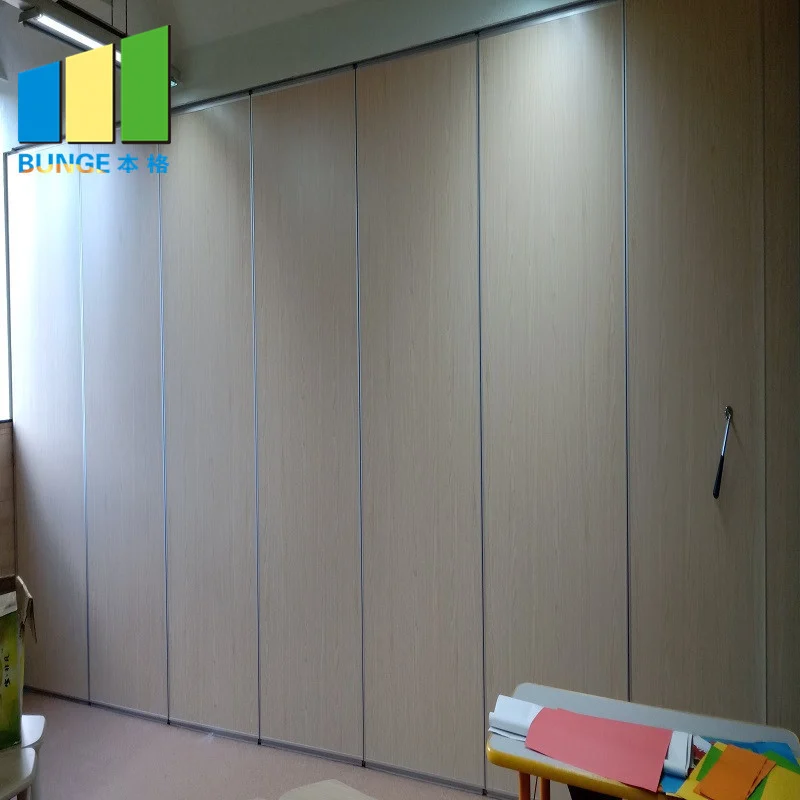
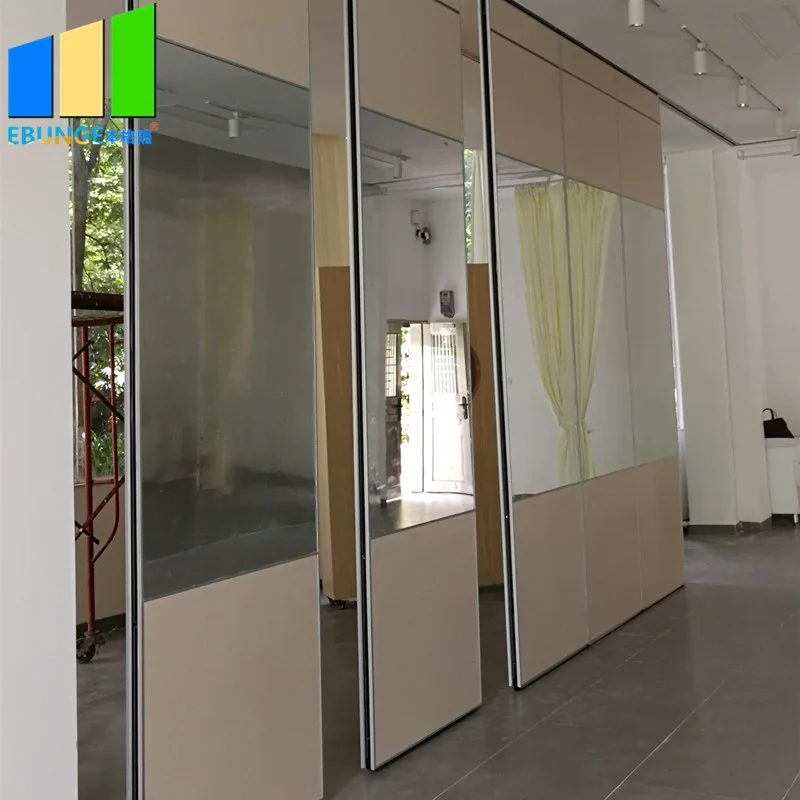
- Finish surfaces in use, such as laminate, melamine, fabric, leather, glass or other approved surfaces.
- Booking windows and the buffer between events.
If any input is unknown, mark it as an open item. Do not fill gaps with assumed numbers. The library is more useful when it shows what still needs confirmation.
Build the Scenario Library in Six Steps
Checklist focus: changeover capacity stress.
- List baseline cases. Write the normal changeover for each room configuration.
- Add peak booking cases. Describe back-to-back events without changing the physical layout.
- Add staff shortage cases.
- Add route conflict cases. The exact route, junction arrangement, continuous overhead path and parking position must be confirmed from the coordinated project drawings.
- Add documentation gaps. Note where drawings, finish schedules or pass-door details are missing.
- Add review triggers. Define which changes require a new drawing review before the scenario is reused.
Each scenario should state its assumptions, the evidence available and the decision it supports. That structure keeps the library honest and reusable across seasons.
Stress-Test Peak Booking and Staff Shortage Conditions
Review focus: changeover capacity stress.
Peak booking pressure usually appears as shorter gaps between events. The library should test these separately and together, because the combination is where release assumptions often break.
Questions to ask in each scenario
- Does the movement route remain clear when the room is partially set?
- Does the planned stacking position conflict with storage, catering or circulation?
- Does the pass-door location still work when the room is divided differently?
- Are finish surfaces protected during the changeover sequence?
- Which step depends on a document that is not yet confirmed?
These questions do not produce a time estimate. They produce a list of dependencies that the project team can resolve before peak demand arrives.
Evidence Boundaries for the Scenario Library
Use only maintained product facts and project-specific drawings. Do not infer acoustic, structural, fire, durability or commercial performance from a finish sample, photograph or generic application example.
Any acoustic requirement must be confirmed for the specific project, layout and partition configuration.
A scenario library can flag these items, but it cannot replace the drawing review that confirms them.
Compact Comparison: Scenario Types and Their Planning Use
| Scenario type | What it tests | Evidence needed |
|---|---|---|
| Baseline changeover | Normal room release sequence | Layout drawing and finish schedule |
| Peak booking | Short gaps between events | Booking pattern and room list |
| Staff shortage | Reduced availability for the same sequence | Task sequence and responsibility map |
| Route conflict | Blocked movement or stacking position | Straight, turning and stacking routes from layout |
| Documentation gap | Missing pass-door or dimensional detail | Project documentation review |
Use the table as a checklist, not as a performance claim. Each row should link to the drawing or document that supports it.
Coordinate Across Operations, Sales and Project Teams
Operations knows the room sequence. Sales knows the booking pressure. The project team knows the layout, support and dimensional constraints.
Review the library before peak season and after any layout change. When a scenario depends on an unconfirmed item, record it as an open action rather than an assumption.
For product context, see the movable walls page. For general planning references, see the resources page. To discuss pass-door requirements and project documentation, use the contact page.
Frequently Asked Questions
What is a movable partition changeover capacity stress-test scenario library?
It is a reusable set of operational cases that facility teams run against their room release model. It tests assumptions about movement routes, stacking positions, booking pressure and staffing availability without claiming a specific performance result.
Does the library require measured changeover times?
No. It can be built from documented assumptions, layout drawings and booking patterns. Any time-related conclusion should be confirmed separately for the specific project.
How do top-hung panels affect scenario planning?
Because panels are individually movable, suspended from a top track and cross the opening without a floor track, the library should test the continuous overhead route and the planned stacking position.
Can the library address acoustic requirements?
It can flag where acoustic documentation is needed, but it should not assign a rating.
Which finish options should be listed in a scenario?
List the finishes actually specified for the project, such as laminate, melamine, fabric, leather, glass or other approved surfaces. Do not infer cleaning compatibility or performance from a finish name alone.
When should the scenario library be reviewed?
Review it before peak booking periods, after any layout change, and whenever a pass-door or stacking requirement changes. Each review should confirm the supporting drawings and documents.
Conclusion: Plan the Review, Not the Promise
It shows where room release assumptions depend on unconfirmed support, acoustic or dimensional details.
Build the library from maintained product facts, visible evidence limits and project-specific drawing review. Then confirm every project-specific requirement with the project team before relying on the scenario.
To discuss pass-door requirements, project documentation and layout review for your next project, contact EBUNGE.