
Quick answer: track fixing crew
Review focus: track fixing crew.
Movable partition track fixing crews lose productive hours when a zone is not actually ready. A movable partition track fixing crew start-of-shift readiness verification gives the supervisor a short, repeatable gate before any fixing work begins. The check confirms three things: the zone is accessible and safe, the required tooling is present and serviceable, and prior trades have signed off the surfaces and openings the track will relate to. It is not a substitute for project-specific engineering review. It is a daily discipline that keeps coordination visible and prevents avoidable rework.
Why a Daily Readiness Gate Matters for Track Fixing
Project review term: track fixing crew.
Track fixing is a sequence-dependent activity. The overhead route must be continuous and supported as shown on the coordinated drawings. If the zone is blocked, if a prior trade has not finished, or if the correct tooling is missing, the crew either waits or improvises. Both outcomes create risk. A readiness gate converts those risks into explicit decisions before the shift starts.
The gate also protects the project programme. When access, tooling, and sign-off are confirmed in one pass, the crew can begin with a clear scope. When any item fails, the supervisor can escalate immediately rather than discovering the problem after partial fixing.
Step 1: Confirm Zone Access and Site Conditions
Coordination scope: track fixing crew.
Begin at the zone entrance, not at the track line. Confirm that the route into the zone is open for the materials and equipment expected that day. Check that the working area is clear of stored materials belonging to other trades. Confirm that temporary lighting and safe access are available for the tasks planned.
Record any obstruction with its location and the trade responsible. Do not assume an obstruction will be removed during the shift. If the access route is shared, agree the time window with the site coordinator before the crew enters.
Access items to verify
- Zone entry and internal route clear for the day’s planned activity.
- Working platform or access equipment available and inspected as required by site rules.
- Exclusion zone agreed where overhead work will occur.
- Emergency access and housekeeping routes maintained.
Step 2: Verify Tooling and Consumables Availability
Checklist focus: track fixing crew.
Tooling readiness is more than counting cases. Confirm that the tools required for the day’s fixing sequence are present, complete, and in serviceable condition. The suitability of each route and parking arrangement depends on the approved layout, circulation, ceiling interfaces and operating sequence. If a tool is shared across zones, confirm its release time before the crew depends on it.
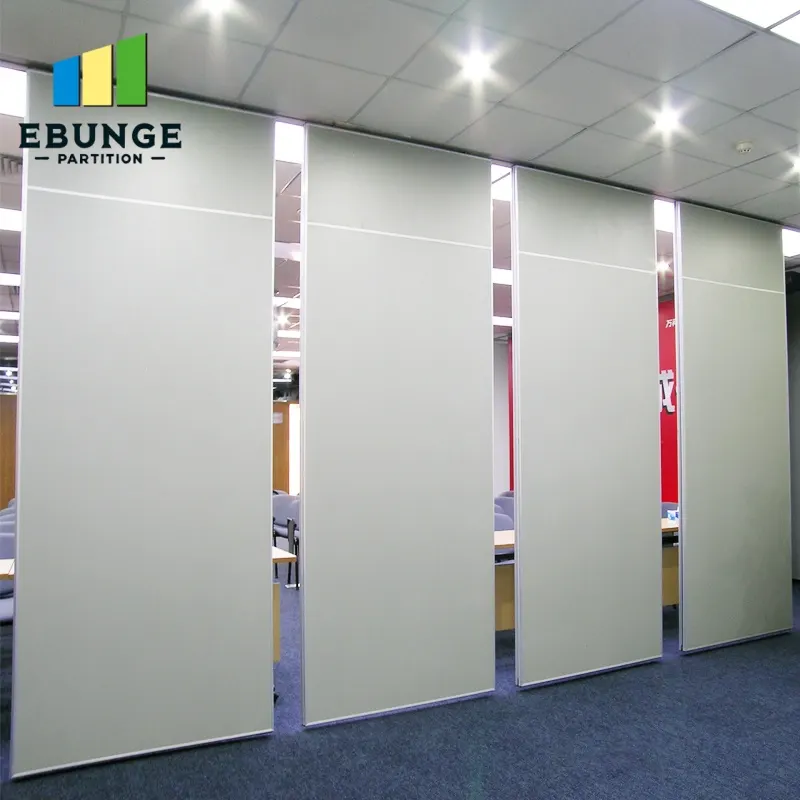
Do not substitute a tool or fixing method without written direction from the responsible project engineer. The exact overhead route and support arrangement must be confirmed by the responsible project team from coordinated drawings.
Tooling and consumables checklist
- Required hand and power tools present and functional.
- Access equipment suitable for the overhead work position.
- Personal protective equipment available for all crew members.
- Approved drawings and current revision available in the zone.
Step 3: Obtain Prior-Trade Sign-Off Before Fixing
Review focus: track fixing crew.
Track fixing depends on work completed by others. Prior-trade sign-off confirms that the relevant surfaces, openings, and adjacent finishes are complete to the point required for track fixing.
Sign-off should be specific. A general statement that a zone is ready is weaker than a confirmation that named items are complete. Where sign-off is missing, the supervisor should record the gap and escalate rather than proceed on assumption.
Prior-trade sign-off evidence note
Confirm the exact sign-off items required by the project quality plan. Do not infer structural readiness, acoustic performance, or dimensional tolerance from a visual inspection alone. Where drawings show a continuous overhead route, confirm that the supporting condition matches the coordinated design before fixing begins.
Step 4: Cross-Check Drawings and Route Logic
Project review term: track fixing crew.
Before fixing, confirm that the crew is working from the current drawing revision. Review the straight, turning, and stacking routes shown for the zone. Confirm that the overhead route is continuous and connected as designed. The exact route, junction arrangement, continuous overhead path and parking position must be confirmed from the coordinated project drawings.
Confirm the planned parking position and any pass-door requirements against the layout. If the drawing set is unclear, stop and request clarification. A short pause for drawing review is cheaper than removing and refixing track.
Drawing and route verification points
- Current revision in use and understood by the crew.
- Straight, turning, and stacking routes reviewed against the layout.
- Continuous connected overhead route confirmed.
- Parking position and pass-door requirements checked.
- Open queries logged with the responsible designer or engineer.
Step 5: Record the Readiness Decision
Coordination scope: track fixing crew.
The readiness check should end with a clear decision: proceed, proceed with conditions, or stop. Record the decision, the time, and any outstanding items. This record supports coordination with other trades and provides a reference if conditions change during the shift.

If the decision is to proceed with conditions, state the condition and the person responsible for closing it. If the decision is to stop, state what must change before the crew can begin. Keep the record factual and tied to the drawings and site conditions observed.
Common Coordination Gaps That Delay Track Fixing
Most delays are predictable. They usually involve access, information, or sequence rather than the fixing work itself. The table below lists common gaps and the readiness response that keeps the crew productive without bypassing project requirements.
| Coordination gap | Readiness response |
|---|---|
| Zone blocked by other trade materials | Record location and owner; escalate before crew enters. |
| Prior-trade sign-off incomplete | Do not begin fixing; log the missing item and notify the coordinator. |
| Drawing revision unclear | Pause and request the current revision from the designer. |
| Shared tooling not released | Confirm release time or reassign the crew to a ready zone. |
| Overhead route not continuous | Stop and refer to the coordinated design; do not bridge gaps. |
How This Fits Broader Contractor Installation Planning
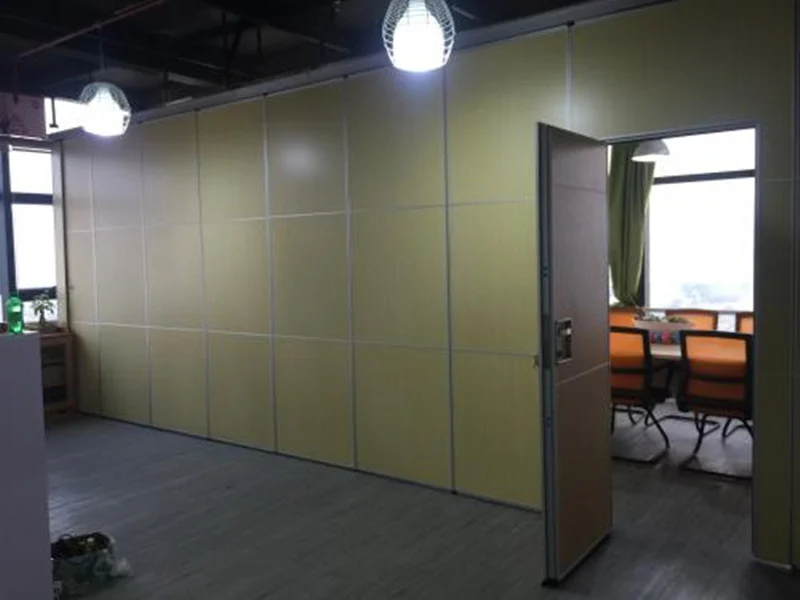
This daily sequence is one layer of movable partition installation planning. It sits between the project-level coordination of routes, support, and finishes, and the actual fixing work in the zone. Used consistently, it gives supervisors a common language for readiness and a defensible record of decisions.
Project teams should also review the wider planning resources for coordination guidance.
Frequently Asked Questions
What is the purpose of a start-of-shift readiness check for track fixing crews?
It confirms that the zone is accessible, the required tooling is available, and prior-trade sign-off is in place before fixing begins. The goal is to reduce rework and idle time by making readiness explicit.
Who should complete the readiness verification?
The track fixing supervisor or a nominated crew lead should complete it, with input from the site coordinator where access or prior-trade items are involved. Project-specific responsibilities should be defined in the method statement.
Can fixing begin if prior-trade sign-off is missing?
No. Missing sign-off should be recorded and escalated. Proceeding without it risks fixing to a condition that does not match the coordinated design.
Does the check replace project-specific engineering review?
No. It is a daily coordination gate.
What should be recorded if the crew cannot start?
Record the blocking item, its location, the responsible trade or party, and the time of the decision. This record supports escalation and helps the coordinator resolve the issue.
How does this relate to the overhead route shown on drawings?
The crew should confirm that the overhead route is continuous and connected as designed.
Conclusion: Make Readiness Visible Before Fixing Begins
A short, disciplined start-of-shift check protects the crew, the programme, and the quality of the installed track. Confirm access, tooling, and prior-trade sign-off in that order. Cross-check the current drawings and route logic. Record the decision. Where any item is unclear, stop and confirm rather than assume.
To discuss pass-door requirements, finish options, or project documentation, contact the EBUNGE team.