
Quick answer: closeout record access permission custody
Review focus: closeout record access permission custody.
A movable partition wall closeout record access permission custody matrix helps facility teams know who may view, edit, and hold each handover document after final acceptance. For overseas contractors, architects, interior designers, owners, and renovation teams, the matrix is a planning tool, not a performance claim. It organizes records for top-hung movable wall panels that are individually movable, suspended from a top track, cross the opening without a floor track, and park at a planned stacking position. Because straight, turning, and stacking routes are reviewed from the layout, the closeout record should reflect the coordinated design rather than assumptions.
Why a Custody Matrix Matters After Final Acceptance
Project review term: closeout record access permission custody.
Final acceptance often marks the point when the installation team leaves and the facility team takes daily responsibility. Without a custody matrix, records can sit in email threads, shared drives, or printed folders with no clear owner. The matrix assigns three simple rights for each record: who may access it, who may edit it, and who holds custody of the authoritative version. This is especially useful when a project includes pass-door requirements, approved finish surfaces such as laminate, melamine, fabric, leather, or glass, and project documentation that may be discussed during handover.
Define the Record Categories Before Assigning Rights
Coordination scope: closeout record access permission custody.
Start by listing the record categories that exist for the project. The suitability of each route and parking arrangement depends on the approved layout, circulation, ceiling interfaces and operating sequence. Typical categories include approved layout drawings, finish schedules, pass-door coordination notes, and correspondence about project documentation. Each category can then receive access, edit, and custody rules. The goal is to prevent a facility team from treating a draft or a superseded drawing as the controlling record.
Core Record Groups
- Layout and route records: drawings showing straight, turning, and stacking routes reviewed from the layout.
- Finish records: approved finish options such as laminate, melamine, fabric, leather, glass, and other approved surfaces.
- Pass-door records: notes where pass-door requirements were discussed and coordinated.
- Project documentation records: submittals, approvals, and correspondence that can be discussed with the project team.
Build the Access Permission Custody Matrix
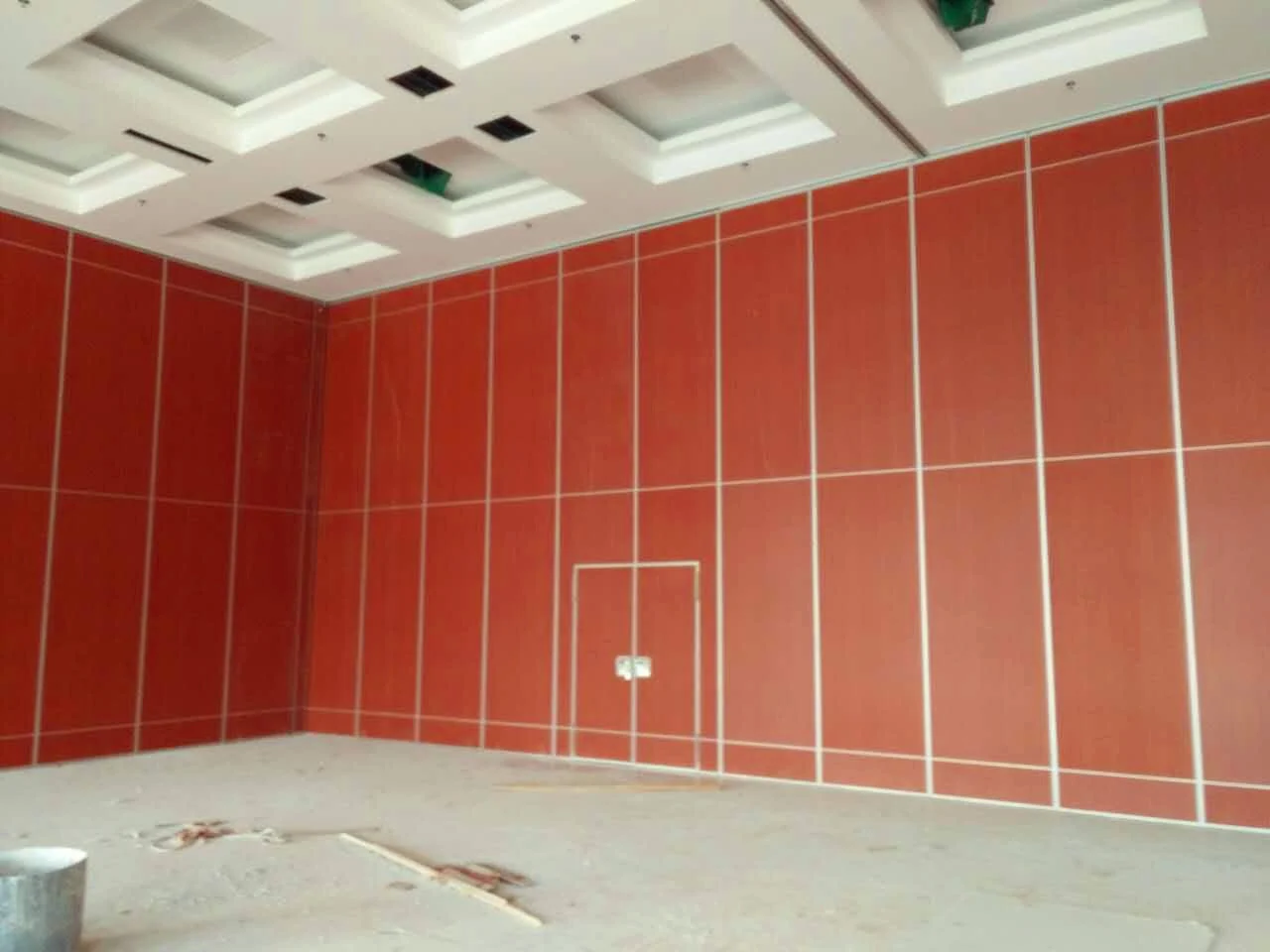
Use roles rather than personal names where possible, because staff change. The matrix should state whether each role can view, comment, edit, or hold custody. Custody means holding the version that the facility team treats as current. Editing rights should be narrower than viewing rights. If a record is superseded, mark it clearly and move it to an archive area rather than deleting it.
| Record category | View | Edit | Custody |
|---|---|---|---|
| Approved layout drawings | Facility, owner, contractor | Design lead only | Facility team |
| Finish schedule | Facility, owner, designer | Design lead only | Facility team |
| Pass-door coordination notes | Facility, contractor | Project manager | Facility team |
| Project documentation correspondence | Facility, owner, contractor | Project manager | Owner or facility team |
Evidence Boundaries for Closeout Records
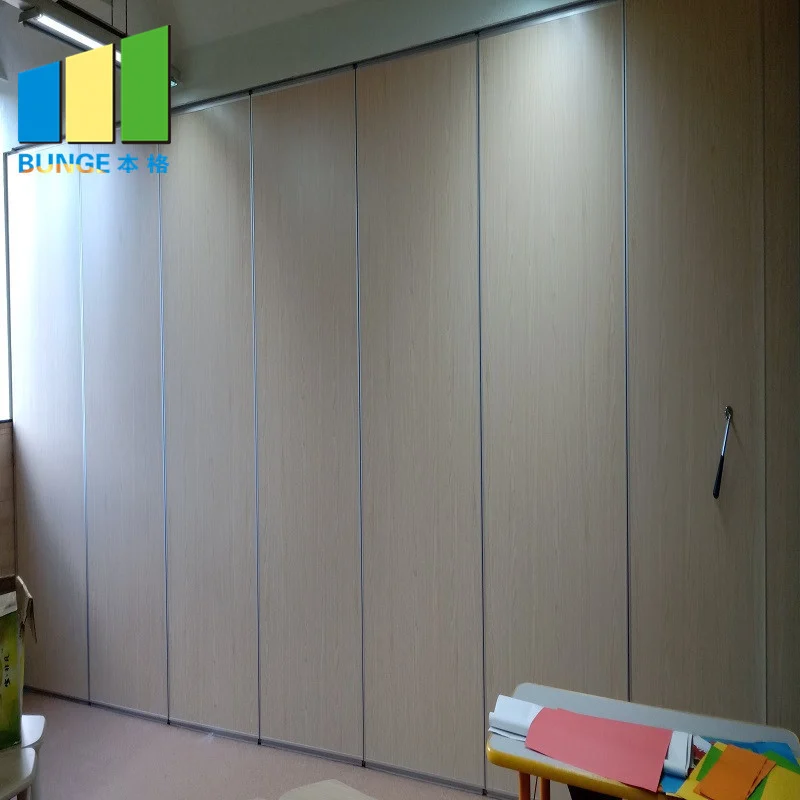
Closeout records should describe what was coordinated, not infer hidden performance. Visible references can support layout discussion but do not verify hidden construction or performance.
Evidence note: every proposed movement path requires a continuous connected overhead route and project-specific support review. Do not imply that panels can travel across an untracked gap.
Numbered Process for Custody Transfer
- List records: confirm which documents exist and which are still draft.
- Assign roles: map view, edit, and custody rights to roles, not individuals.
- Mark the authoritative version: identify the single current copy for each category.
- Record the transfer: note the date and the role accepting custody.
- Archive superseded files: keep them accessible but clearly separated.
- Review after occupancy: confirm that the facility team can still find each record.
Coordination With the Project Team
Handover documentation coordination improves when the matrix is discussed before final acceptance, not after. Contractors, architects, interior designers, owners, and renovation companies can each confirm which records they will provide and which role will hold custody. If pass-door requirements or project documentation need clarification, raise them during coordination. For product context, see the movable walls product page and the resources section. Project-specific support, acoustic, and dimensional requirements should be confirmed with the project team.
Common Pitfalls to Avoid
One pitfall is treating a shared folder as a custody system. Another is allowing too many editors. A third is failing to label superseded drawings. A fourth is assuming that a finish name alone answers maintenance or performance questions. A fifth is leaving the matrix in a format the facility team cannot update. Keep the matrix simple, role-based, and reviewed at handover.
FAQ
What is a movable partition wall closeout record access permission custody matrix?
It is a planning table that defines who may view, edit, and hold each closeout record after final acceptance. It helps facility teams avoid confusion between drafts and authoritative documents.
Does the matrix prove acoustic performance?
No. The matrix organizes records.
Who should hold custody of the approved layout drawings?
The facility team often holds custody after acceptance, while the design lead may retain edit rights. The exact arrangement should be confirmed by the project team.
How should superseded records be handled?
Mark them clearly and move them to an archive area. Do not delete them, because they may still be useful for understanding earlier coordination decisions.
Can the matrix cover pass-door requirements?
Yes. Pass-door requirements can be listed as a record category, with access, edit, and custody rights assigned. The project team should confirm the specific pass-door coordination.
What should be confirmed before final acceptance?
Confirm the record list, the role assignments, the authoritative versions, and the custody transfer date. Also confirm project-specific support, acoustic, and dimensional requirements.
Conclusion and Contact
A closeout record access permission custody matrix gives facility teams a clear, role-based way to manage movable partition wall documentation after final acceptance. It does not replace project-specific confirmation of support, acoustic, and dimensional requirements. To discuss pass-door requirements, finish options, or project documentation, contact EBUNGE.