
Quick answer: movable partition wall
Review focus: movable partition wall.
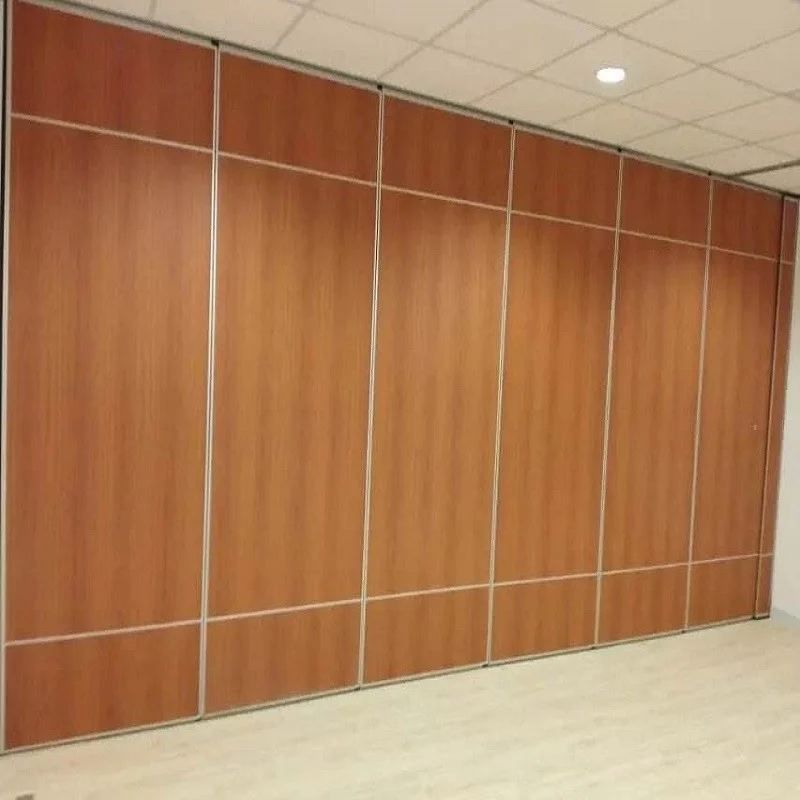
A movable partition wall handover document retention schedule is the written rule that tells a facility team which closeout records to keep, for how long, who may authorize disposal, and what must be checked before anything is destroyed. It matters because movable partition panels are top-hung, move individually without a continuous floor track, and park at a planned stacking position. Those characteristics mean future service, layout changes and reconfiguration questions will return to the original closeout file long after the contractor has left site.
This framework is for overseas contractors, architects, interior designers, owners, renovation companies, distributors and construction teams. It is a planning structure, not legal advice. Retention periods, disposal authority and record content must be confirmed against the applicable jurisdiction, contract, owner policy and project-specific requirements.
Why a Retention Schedule Matters After Closeout
Project review term: movable partition wall.
During construction, information is held by many parties. After closeout, it usually collapses into one facility file. If that file is incomplete, later questions about the installed configuration, approved finishes, pass-door arrangements or the reviewed movement route become difficult to answer.
A retention schedule protects the owner’s ability to understand what was supplied and how it was coordinated. It also prevents accidental destruction of records that support warranty administration, insurance review, future renovation or dispute response. The schedule should be agreed before final handover, not created years later when memories have faded.
Classify Records Before Setting Any Retention Period
Coordination scope: movable partition wall.
Retention only works when records are grouped by purpose. A single blanket period for everything is easy to write but hard to defend. Classify each document family first, then assign a period and an owner.
Core record families

- Contract and commercial records: order documents, variations, approved scope and final account correspondence.
- Design and coordination records: reviewed layout drawings, straight, turning and stacking route reviews, and interface notes with adjacent trades.
- Product and finish records: confirmed finish selections such as laminate, melamine, fabric, leather, glass or other approved surfaces, plus approved samples or references.
- Installation and closeout records: handover checklists, snag lists, completion correspondence and pass-door requirement notes.
- Operational records: user guidance, parking position notes and reconfiguration instructions issued for the project.
Evidence note
Do not treat a finish name, drawing or photograph as evidence of acoustic, fire, structural or maintenance performance. Those characteristics require project-specific confirmation and matching documentation. STC and Rw are rating concepts used to describe acoustic performance; they are not a simple count of decibels and should not be reduced to one.
Build the Retention Schedule in Six Steps
Checklist focus: movable partition wall.
- List every record family produced during the project, including correspondence that explains decisions.
- Assign a retention trigger such as practical completion, final payment or lease commencement.
- Set a retention period for each family based on contract, legal, insurance and owner requirements.
- Name a record owner responsible for storage, indexing and condition.
- Define disposal authority so no single person can destroy records without review.
- Schedule periodic review so the schedule is updated when obligations change.
Assign Disposal Authority Clearly
Disposal authority should be separated from record custody. The person who stores a file should not be the only person who decides to destroy it. A common structure uses three roles: a record custodian who maintains the file, a technical reviewer who confirms the records are no longer needed for operational or warranty purposes, and an authorizing officer who approves destruction in writing.
For movable partition projects, the technical reviewer should be able to confirm whether the file still supports the reviewed layout, the parking arrangement and any pass-door requirements. If those items may still be needed for a planned renovation, disposal should be deferred.
Review Obligations Before Destroying Anything
Before destruction, run a documented review. Confirm that the retention period has expired, that no legal hold, insurance claim, dispute or audit is active, and that no planned reconfiguration depends on the records. Record the review outcome even when the decision is to retain.
Pre-disposal checklist
- Retention period expired and trigger date verified.
- No active legal, insurance or contractual hold.
- Technical reviewer confirms no operational need.
- Authorizing officer approval recorded in writing.
- Destruction method and date logged.
- Index updated to show what was removed.
Keep the Schedule Usable for Facility Teams
A retention schedule fails when it is too complex to apply. Keep the working version short, with one row per record family and clear trigger dates. Store the full policy separately. Review the schedule at each major building event, such as a lease renewal, refurbishment or change of facility management provider.
For movable partition systems, also keep the reviewed route and stacking information accessible to the people who operate the space. If the layout is changed later, the original coordination records help the project team understand what was previously reviewed. Confirm support, acoustic and dimensional requirements for each new arrangement rather than assuming the original conditions still apply.
Frequently Asked Questions
What is a movable partition wall handover document retention schedule?
It is a written framework that lists closeout record types, sets how long each is kept, names who owns the records and defines who may authorize disposal after the retention period expires.

How long should movable partition closeout records be kept?
There is no universal period. Retention depends on the contract, jurisdiction, insurance requirements and owner policy. Confirm the applicable obligations for each project before setting a period.
Who should authorize disposal of handover records?
Disposal should be authorized by a named officer after a technical reviewer confirms there is no operational, warranty or contractual need. The custodian should not destroy records alone.
Do finish records prove acoustic performance?
No. Finish selections such as laminate, melamine, fabric, leather or glass describe appearance and surface choice. The suitability of each route and parking arrangement depends on the approved layout, circulation, ceiling interfaces and operating sequence.
What should be checked before destroying records?
Confirm the retention period has expired, no legal or insurance hold is active, no planned reconfiguration depends on the records, and written approval has been recorded.
Can the retention schedule be changed later?
Yes. It should be reviewed at major building events and updated when legal, contractual or operational obligations change. Record each revision so the current version is clear.
Conclusion and Next Steps
A movable partition wall handover document retention schedule gives facility teams a defensible way to keep the right records, assign disposal authority and review obligations before destruction. Start by classifying record families, then set triggers, periods, owners and approval roles. Confirm every project-specific support, acoustic and dimensional requirement with the relevant parties.
To discuss pass-door requirements, project documentation or movable wall configuration for your next project, contact EBUNGE. You can also review the movable wall product range and browse additional planning resources before finalizing your closeout documentation framework.