
Quick answer: closeout record version control
Review focus: closeout record version control.
Movable partition wall closeout record version control is the discipline of keeping one authoritative set of as-built and O&M documents in active use while every earlier issue is clearly withdrawn. The exact overhead route and support arrangement must be confirmed by the responsible project team from coordinated drawings.
Movable panels are individually movable, suspended from a top track, cross the opening without a floor track, and park at a planned stacking position. Straight, turning and stacking routes are reviewed from the layout. Those maintained facts give the closeout record a clear scope: document the coordinated route, the approved finishes, and the project-specific confirmations that remain open.
Why Closeout Records Drift After Practical Completion
Project review term: closeout record version control.
Version drift usually begins with good intentions. A finish is adjusted on site, a stacking position is refined, or a pass-door requirement is discussed late. The suitability of each route and parking arrangement depends on the approved layout, circulation, ceiling interfaces and operating sequence.
Facility teams then inherit several plausible documents. Without a withdrawal rule, superseded sheets remain in shared drives, printed folders and maintenance binders. The result is uncertainty during routine checks, future reconfiguration or a change of building operator.
The difference between a record and a reference
A controlled record is the version the facility team is expected to use. A reference is any earlier issue kept for history. Marking, separating and indexing them is the core of movable partition wall closeout record version control.
A Numbered Process for Establishing Version Control
- Define the controlled register. List every closeout document type the project will hand over, including as-built layout information, finish schedules, approved finish references, and project-specific confirmations.
- Assign a unique identifier. Give each document a project code, discipline, sequence number and revision status so two files cannot share one identity.
- Set the current-issue rule. State that only the latest approved revision is active, and that all earlier revisions are superseded on the day the new one is issued.
- Record the withdrawal action. Note who removed the superseded file from active folders, when, and where the historical copy is retained.
- Reconcile against the installed condition. The exact route, junction arrangement, continuous overhead path and parking position must be confirmed from the coordinated project drawings.
- Publish the active index. Issue a single index that tells the facility team which revision is current for each document type.
Superseded Drawing Withdrawal: Rules That Actually Hold
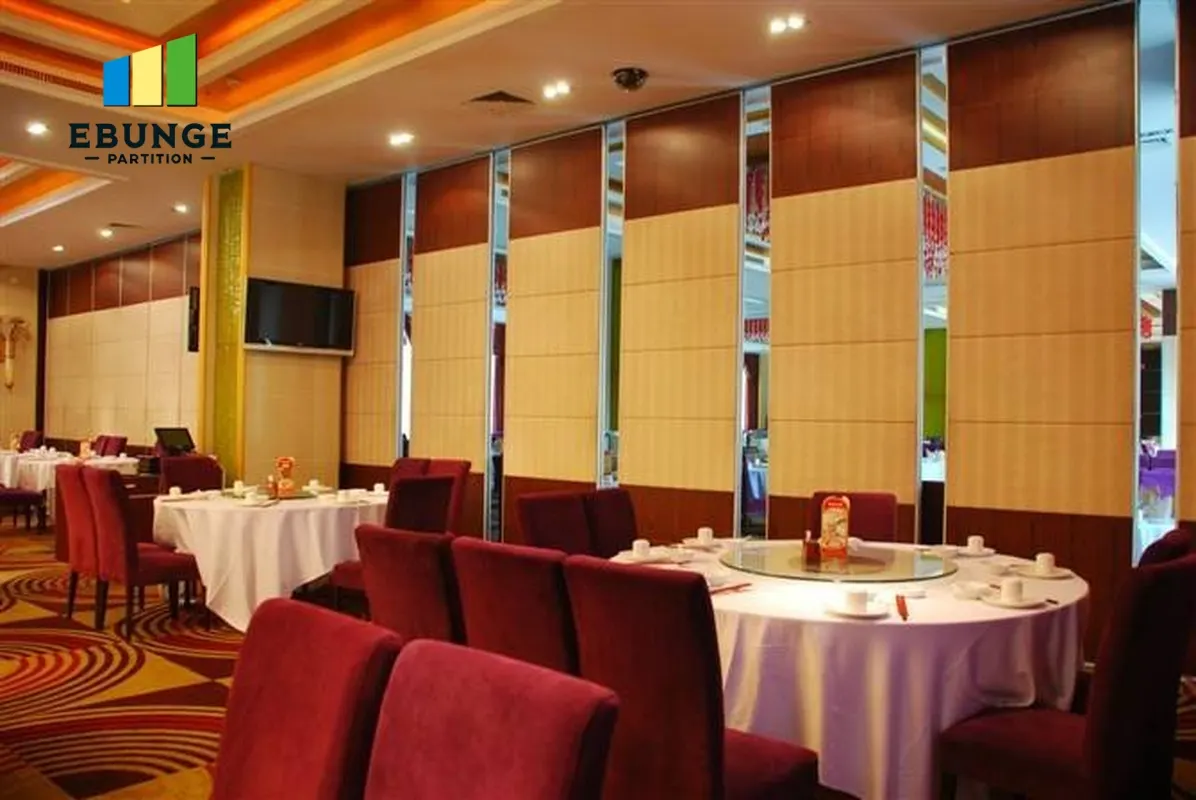
Withdrawal fails when it depends on memory. A workable rule is that no superseded sheet may remain in an active folder, binder or shared link. Historical copies move to a clearly labelled archive location that is not part of daily maintenance access.
For movable partition projects, the highest-risk sheets are those showing the partition line, the overhead route and the parking zone. If an earlier sheet shows a different stacking position, a facility team could plan a future layout around a route that was never coordinated. The current record must reflect the reviewed layout, and any open item must be flagged rather than assumed.
Evidence note
This framework addresses document control only. It does not confirm acoustic performance, structural capacity, fire behaviour, dimensional limits or support requirements. Those items require project-specific review and matching evidence before they are stated in any closeout record.
What Belongs in the Active Closeout Set
The active set should be small enough to use and complete enough to support operation. Panel handling and the operating sequence must be confirmed for the selected layout and project conditions.
| Record type | Purpose in active use | Version control action |
|---|---|---|
| As-built layout information | Shows the coordinated partition line, turning route and stacking position | Replace on approval; withdraw prior issue |
| Finish schedule and approved references | Identifies the confirmed finish direction, such as laminate, melamine, fabric, leather, glass or another approved surface | Update when the approved reference changes |
| Project-specific confirmations | Records open items such as support, acoustic and dimensional requirements | Close only with matching project evidence |
| Pass-door coordination notes | Captures agreed pass-door requirements where applicable | Reissue when the agreed requirement changes |
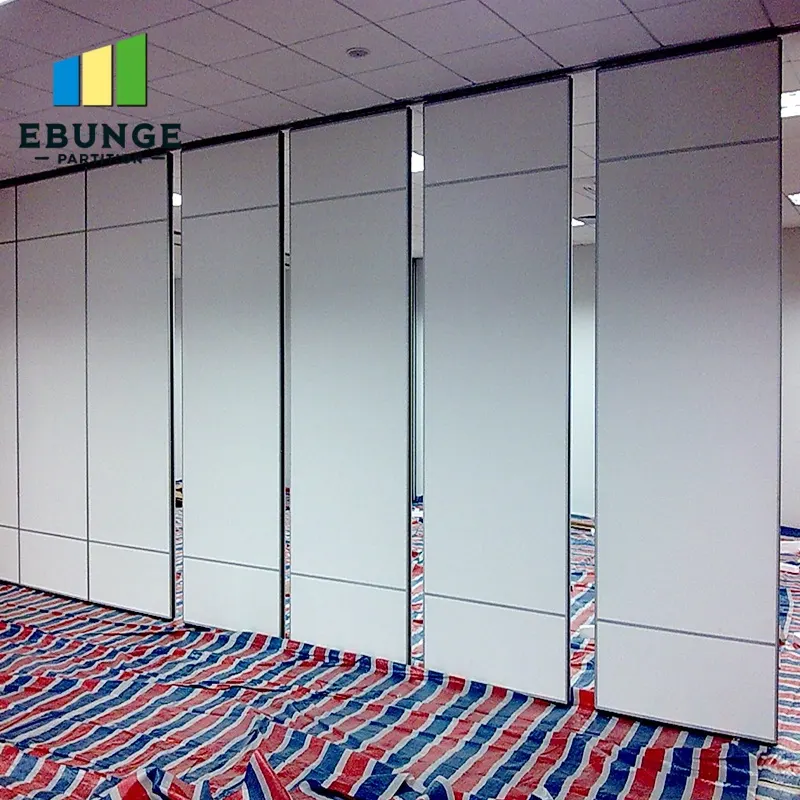
Finish options are confirmed per project.
Coordinating Handover Documentation Across Project Parties
The contractor typically controls site-derived revisions. The architect or designer controls design intent and finish approval. The owner or facility team controls the active register after acceptance.
A short coordination log can prevent disputes. Record the document identifier, the requested change, the approving party, the issue date and the withdrawal confirmation. This is not bureaucracy; it is the audit trail that makes movable partition wall closeout record version control defensible.
Decision checklist for facility teams
- Is there one named owner for the active register?
- Does every document carry a unique identifier and revision status?
- Are superseded files removed from active folders on issue?
- Is the archive location separate from daily maintenance access?
- Are open support, acoustic and dimensional items clearly flagged?
- Is the current index dated and easy to find?
Common Failure Points and How to Close Them
One common failure is the undated file name. Without a date or revision code, a facility team cannot tell which sheet is current. Another is the mixed folder, where current and historical files sit together. A third is the silent change, where a finish or route is adjusted without reissuing the index.
Each failure has a simple countermeasure: enforce naming rules, separate archive from active use, and reissue the index whenever a controlled document changes. Where a requirement cannot be confirmed from available evidence, the record should say so plainly rather than imply a conclusion.
Frequently Asked Questions
What is movable partition wall closeout record version control?
It is the process of keeping one current set of as-built and O&M documents in active use while withdrawing earlier revisions, so facility teams do not work from superseded information.
Which documents should be withdrawn after a new revision is issued?
Any earlier revision of a controlled document should be withdrawn from active folders, binders and shared links, then retained in a clearly labelled archive for history.
Does this framework confirm acoustic or structural performance?
No. It addresses document control only.
How should finish changes be recorded?
Record the approved finish reference and reissue the finish schedule. Confirmed options include laminate, melamine, fabric, leather, glass and other approved surfaces, but the record should not imply performance from a finish name alone.
What should the facility team check at handover?
Check that the active index is dated, every document has a unique identifier, superseded files are archived, and open support, acoustic and dimensional items are clearly flagged for project-specific confirmation.
Can pass-door requirements be included in the closeout set?
Yes. Pass-door requirements and project documentation can be discussed and recorded where they apply, with the agreed requirement reflected in the current revision.
Conclusion and Next Step
Movable partition wall closeout record version control protects the facility team from working with outdated information. Define the controlled register, enforce unique identifiers, withdraw superseded sheets on issue, and keep open items visible. Review the coordinated route, turning path and stacking position against the current record, and confirm support, acoustic and dimensional requirements for the specific project.
To discuss project documentation, finish options or pass-door requirements, contact EBUNGE. You can also review the movable wall product context and the project resources before finalising your closeout framework.