
Quick project answer
Review focus: tender evaluation score normalization.
Movable partition wall tender evaluation score normalization is the process of aligning scores from multiple evaluators who may use different scales, anchors, or interpretations. Without normalization, a technically strong package can lose to a weaker one simply because one evaluator scored generously and another scored strictly. This framework helps procurement reviewers structure that alignment before award recommendation.
The goal is not to force artificial consensus. It is to make scoring differences visible, traceable, and defensible. For movable partition packages, that means separating what the tender documents actually require from what evaluators assume about performance, installation, or long-term operation.
Why Divergent Scoring Scales Appear in Movable Partition Tenders
Project review term: tender evaluation score normalization.
Evaluators bring different professional lenses. A contractor may weight installation coordination heavily. An architect may prioritize finish compatibility and ceiling interface. An owner’s representative may focus on operational flexibility and storage strategy. Each lens is valid, but without a shared scale, scores drift.
Common sources of divergence include:
- Different interpretations of a 1–5 versus 1–10 scale
- Vague criteria such as ‘quality’ or ‘flexibility’ without observable anchors
- Uneven weighting of mandatory versus desirable requirements
- Assumptions about acoustic performance, structural support, or parking space that are not confirmed in the tender documents
Normalization does not eliminate judgment. It makes judgment comparable.
Pre-Evaluation Calibration: Aligning Evaluators Before Scoring
Coordination scope: tender evaluation score normalization.
Calibration should happen before individual scoring begins. The procurement lead convenes evaluators to review the scoring rubric, define what evidence satisfies each criterion, and agree on how to handle missing information.
Define Observable Anchors for Each Criterion
Replace abstract terms with observable evidence. For example, instead of ‘acoustic quality,’ the criterion might read: ‘Submitted documentation describes the acoustic strategy and identifies project-specific verification requirements.’ The suitability of each route and parking arrangement depends on the approved layout, circulation, ceiling interfaces and operating sequence.
Separate Mandatory Compliance from Scored Differentiation
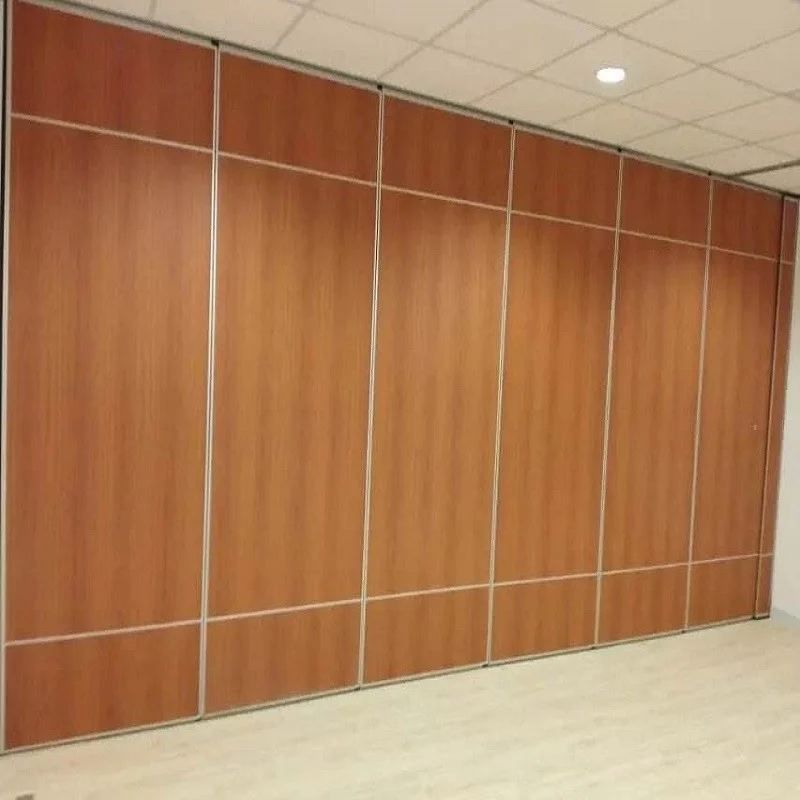
Mandatory requirements—such as top-hung operation without a continuous floor track—should be pass/fail. Scored criteria should differentiate between compliant submissions. Mixing the two inflates scores and obscures non-compliance.
Agree on a Missing-Information Protocol
When a tender response omits a detail, evaluators should not infer it. The protocol might require a clarification request or a neutral score with a note. This prevents one evaluator from filling gaps with assumptions while another penalizes them.
A Step-by-Step Normalization Process for Procurement Reviewers
Checklist focus: tender evaluation score normalization.
- Collect raw scores and comments. Gather each evaluator’s scores alongside their written justification.
- Identify scale outliers. Flag scores that deviate significantly from the group for the same criterion.
- Review evidence alignment. Check whether divergent scores cite different evidence or interpret the same evidence differently.
- Recalibrate with a consensus session. Discuss outliers without pressuring evaluators to conform. The goal is shared understanding of the evidence.
- Apply a normalization method. Choose a method that fits the tender’s governance: z-score, min-max, or rank-based normalization. Document the choice.
- Re-score if needed. After calibration, evaluators may revise scores. Record both original and revised scores for audit.
- Document residual disagreement. If disagreement persists, record it in the award recommendation with a rationale.
Choosing a Normalization Method Without Distorting Intent
Normalization methods transform scores to a common scale. The method should preserve the evaluators’ relative preferences while reducing scale bias.
| Method | When It Fits | Caution |
|---|---|---|
| Min-max normalization | When all evaluators use the full scale range | Sensitive to extreme scores; one outlier can compress the rest |
| Z-score normalization | When evaluators have different average tendencies | Assumes a roughly normal distribution; may not fit small panels |
| Rank-based normalization | When relative ordering matters more than magnitude | Discards information about score gaps |

No method is universally correct. The procurement lead should select one, document why, and apply it consistently across all bidders.
Evidence Boundaries in Movable Partition Tender Evaluation
Movable partition tenders often attract claims that are difficult to verify at evaluation stage. Reviewers should distinguish between confirmed product facts and project-specific requirements that still need confirmation.
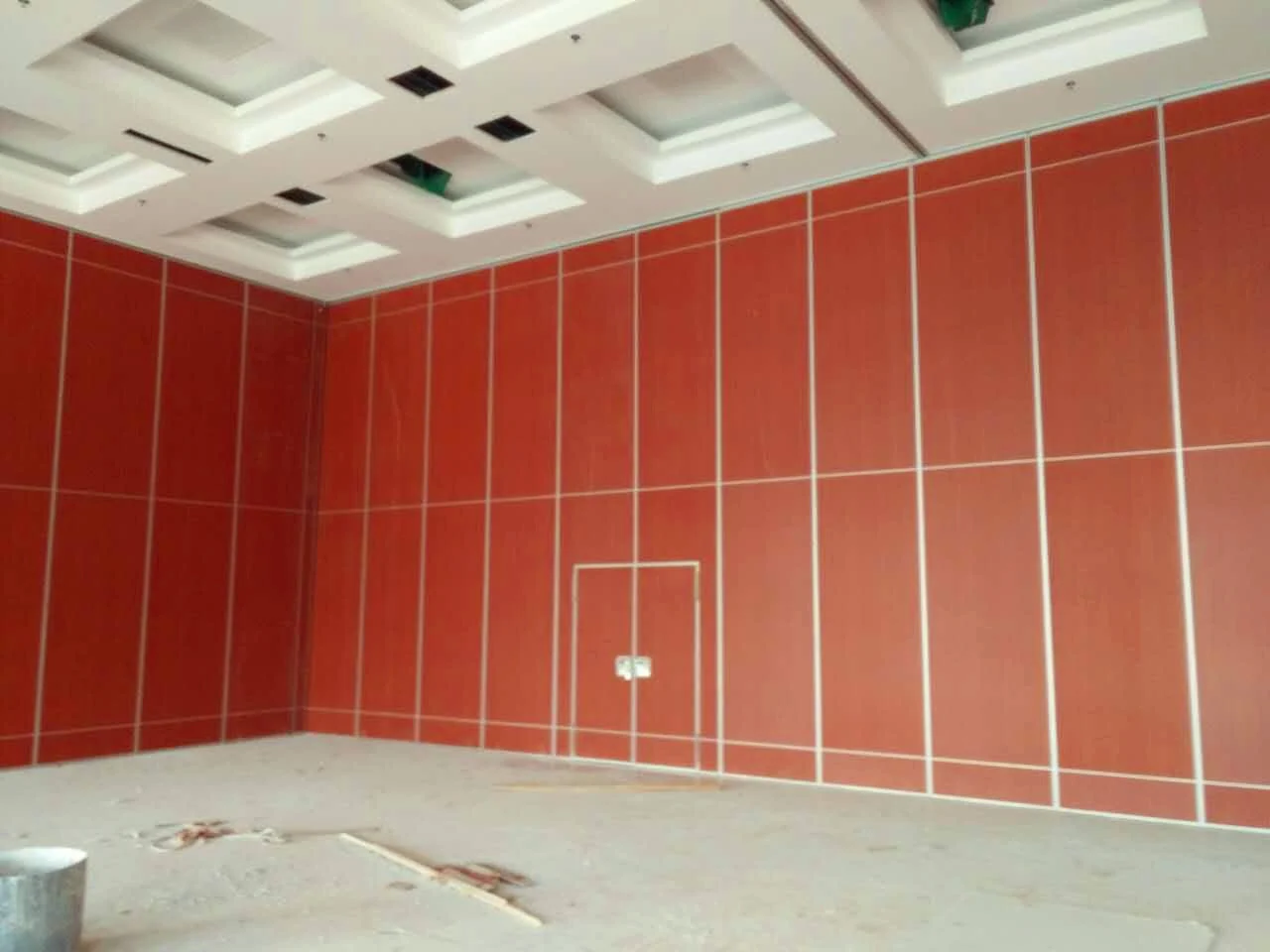
Confirmed facts include: panels are individually movable, suspended from a top track, cross the opening without a floor track, and park at a planned stacking position. Straight, turning, and stacking routes are reviewed from the layout. Finish options include laminate, melamine, fabric, leather, glass, and other approved surfaces. Pass-door requirements and project documentation can be discussed.
Visible references can support layout discussion but do not verify hidden construction or performance. The exact overhead route and support arrangement must be confirmed by the responsible project team from coordinated drawings.
Documenting the Normalization for Award Recommendation
The award recommendation should show the normalization method, the original and adjusted scores, and the rationale for any changes. This transparency protects the procurement process and helps bidders understand the basis for the decision.
Include a section on residual uncertainty. If a bidder’s proposal lacks project-specific confirmation for support, acoustics, or dimensions, note that as a condition of award rather than a reason to inflate or deflate scores.
FAQ: Tender Evaluation Score Normalization for Movable Partition Walls
What is movable partition wall tender evaluation score normalization?
It is the process of aligning scores from multiple evaluators who may use different scales or interpret criteria differently, so that award recommendations reflect evidence rather than scoring bias.
When should normalization happen in the tender process?
Normalization should occur after individual scoring but before the award recommendation. Pre-evaluation calibration should happen even earlier, before any scoring begins.
Does normalization change the winning bidder?
It can. Normalization may reveal that a lower raw score was due to a stricter evaluator rather than a weaker proposal. The goal is a defensible comparison, not a predetermined outcome.
How do we handle missing information in a bidder’s response?
Do not infer missing details. Use a clarification request or assign a neutral score with a note. Document the decision so the evaluation remains auditable.
Can we use acoustic ratings like STC or Rw as direct scores?
No. Use them only as part of a broader evidence review, and confirm project-specific acoustic requirements separately.
What should be included in the award recommendation?
Include the normalization method, original and adjusted scores, rationale for changes, and any residual uncertainty or conditions of award.
Conclusion: Normalize for Clarity, Not Consensus
Movable partition wall tender evaluation score normalization is a governance tool. It helps procurement reviewers compare bids fairly when evaluators see the same evidence through different lenses. The framework above keeps scoring anchored to observable evidence and project-specific confirmation.
Before award recommendation, confirm that support, acoustic, and dimensional requirements are addressed in the tender documents or flagged as conditions. For project-specific guidance on movable partition packages, contact our team. You can also review our movable wall product context and procurement resources for further planning support.