
Quick answer: closeout record custody transfer
Review focus: closeout record custody transfer.
After final acceptance, the movable partition wall closeout record custody transfer access permission matrix becomes the facility team’s control document. It answers three practical questions: who holds each record, who may view or copy it, and how permissions are granted or changed. Without this matrix, closeout files drift between contractor, owner and facility folders. This framework helps overseas project teams plan custody transfer and access permissions using confirmed product facts and project-specific drawing review.
Why Closeout Record Custody Matters for Movable Partition Walls
Project review term: closeout record custody transfer.
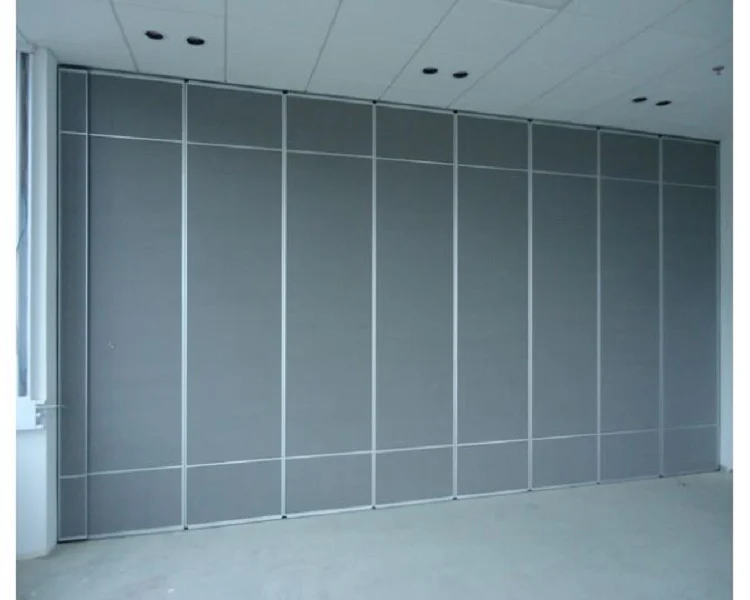
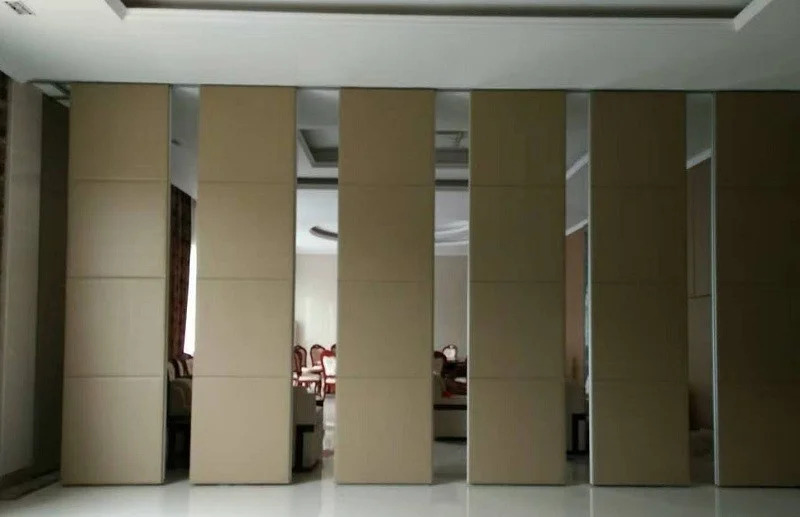
Movable partition systems are top-hung and move without a continuous floor track. Panels park at a planned stacking position. Straight, turning and stacking routes are reviewed from the layout. These characteristics mean closeout records often include layout drawings, route reviews and finish schedules. If custody is unclear, future renovation teams may not know which drawing reflects the accepted configuration.
Custody transfer is not a single handover moment. It is a chain: contractor to owner, owner to facility team, facility team to future maintenance or renovation teams. Each link needs a named holder and a defined access level. The matrix makes that chain visible.
Building the Custody Transfer Matrix
Coordination scope: closeout record custody transfer.
Start by listing every closeout record category. Then assign a primary custodian, a backup custodian and an access level. The matrix should be reviewed during final acceptance, not after the team has already moved in.
Record categories to include
- Approved layout drawings showing straight, turning and stacking routes
- Finish schedules for laminate, melamine, fabric, leather, glass and other approved surfaces
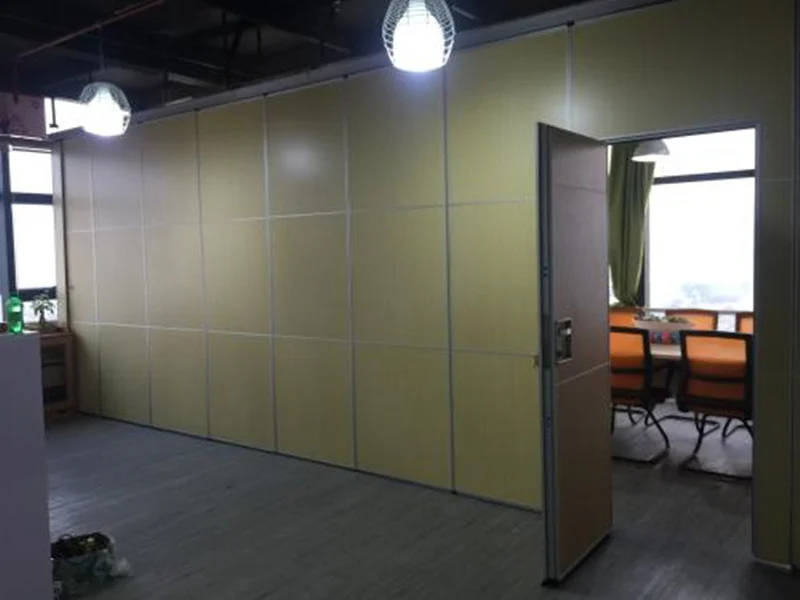
- Pass-door requirements and related coordination notes
- Project documentation discussed during handover
- Inspection and acceptance records
- Contact and escalation lists for future support
Each category may have a different custodian. For example, the facility manager may hold the layout drawings, while the owner’s representative holds the acceptance records. The matrix should state this explicitly.
Defining Access Permission Levels
Checklist focus: closeout record custody transfer.
Access permission is not binary. A useful matrix distinguishes view, copy, edit and distribute rights. The facility team may need view and copy rights for daily operations, while only the owner’s representative may approve edits to the accepted layout.
Permission levels to consider
- View only: can read the record but not download or alter it.
- View and copy: can download for internal use but not modify.
- Edit with approval: can propose changes that require owner or architect sign-off.
- Full control: can replace or archive records, usually limited to the primary custodian.
Permissions should be tied to roles, not individuals, so they survive staff changes. The matrix should also state how a permission request is made and who approves it.
Coordinating Handover Documentation Across Teams
Handover documentation coordination involves the contractor, architect, owner, facility team and sometimes the distributor. Each party may hold different versions of the same record. The matrix should identify the master version and where it is stored.
During final acceptance, schedule a short custody transfer meeting. Walk through the matrix line by line. Confirm that each named custodian accepts the record and understands the access level. Record any gaps as open items with a responsible person.
Evidence Boundaries for Closeout Records
Closeout records should not imply performance that was not verified for the project. The suitability of each route and parking arrangement depends on the approved layout, circulation, ceiling interfaces and operating sequence.
Evidence note: Do not treat a finish sample, photograph or generic drawing as proof of acoustic, fire, durability or structural performance. Project-specific confirmation is required for support, acoustic and dimensional requirements.
Similarly, do not infer maintenance schedules, service life or financial returns from closeout records. The matrix should point to the correct contact for project-specific questions rather than embedding unsupported conclusions.
Access Permission Matrix Template
The table below is a planning template. Adapt the roles and record categories to your project. Confirm all project-specific support, acoustic and dimensional requirements with the responsible parties.
| Record category | Primary custodian | Backup custodian | Access level | Permission approver |
|---|---|---|---|---|
| Approved layout drawings | Facility manager | Owner representative | View and copy | Owner representative |
| Finish schedules | Facility manager | Architect | View only | Architect |
| Pass-door coordination notes | Contractor | Facility manager | View and copy | Contractor |
| Acceptance records | Owner representative | Facility manager | View only | Owner representative |
| Contact and escalation list | Facility manager | Contractor | View and copy | Facility manager |
Common Gaps After Final Acceptance
Three gaps appear often. Second, access permissions are granted informally by email, making them hard to audit. Third, the master version of a drawing is unclear, so teams work from outdated copies.
To close these gaps, assign a matrix owner, set a review date, and store the signed matrix with the closeout records. The matrix should be a living document that can be updated when roles change.
Frequently Asked Questions
What is a closeout record custody transfer access permission matrix?
It is a planning tool that lists each closeout record, names the custodian, defines who may access it, and states who approves permission changes. It is used after final acceptance to keep records controlled.
When should the matrix be created?
Ideally during final acceptance or immediately after. Creating it later increases the risk that records are scattered or that no one accepts custody.
Who should be the primary custodian?
The primary custodian is usually the party responsible for daily operation or long-term record keeping, such as the facility manager or owner representative. The choice depends on the project’s organization.
How are permissions granted after handover?
Permissions should be requested through a defined process and approved by the named approver in the matrix.
Does the matrix need to include acoustic test reports?
Visible references can support layout discussion but do not verify hidden construction or performance. Confirm project-specific acoustic requirements separately.
Can the matrix be changed after final acceptance?
Yes. The matrix should be reviewed when roles change or when records are updated. Changes should be approved by the designated approver and recorded.
Conclusion and Next Steps
A movable partition wall closeout record custody transfer access permission matrix gives facility teams a clear, auditable way to manage records after final acceptance. Start by listing record categories, assign custodians and access levels, and confirm the matrix during handover. Keep the matrix with the closeout records and review it when roles change.
The exact overhead route and support arrangement must be confirmed by the responsible project team from coordinated drawings. To discuss pass-door requirements, project documentation or movable wall options, contact EBUNGE. You can also review movable wall products and visit the resources page for further planning context.