
Quick project answer
Review focus: changeover capacity assumption audit.
A movable partition changeover capacity assumption audit is a structured review of the assumptions that were embedded in a handed-over configuration before those assumptions quietly become operational expectations. In multi-room venues, the partition system is often the most visible element in a changeover, so it attracts blame when a room is not ready on time. This framework helps facility and operations teams separate partition-related constraints from booking, staffing and release-pattern constraints using only maintained product facts and project-specific drawings.
Why Changeover Assumptions Drift After Handover
Project review term: changeover capacity assumption audit.
During design and handover, changeover capacity is usually described in broad terms: rooms can be combined or divided, panels can be parked, and the space can be reset between events. Those statements are true at the product level, but they do not define an operating envelope. An operating envelope is the set of conditions under which the handed-over configuration can actually be reset: which routes are available, where panels park, how the room is released, and who is available to complete the reset.
Drift happens because booking demand, room release patterns and staffing availability change after handover, while the documented assumptions often do not. A venue may add back-to-back bookings, shorten release windows, or change cleaning sequences. None of these changes alter the partition itself, but each one can make the original changeover assumption invalid.
What the Audit Should and Should Not Cover
Coordination scope: changeover capacity assumption audit.
The audit should cover the relationship between the partition configuration and the way the venue is actually operated. Visible references can support layout discussion but do not verify hidden construction or performance. Those are separate evidence questions.
In scope for the audit
- Documented movement routes: straight, turning and stacking routes as reviewed from the layout.
- Parking position and whether it remains clear of other operations.
- Room release sequence and the time available between bookings.
- Staffing availability during the actual changeover window.
- Booking demand patterns that create consecutive reconfigurations.
- Pass-door requirements and how they affect circulation during a reset.
Out of scope without separate evidence
- The suitability of each route and parking arrangement depends on the approved layout, circulation, ceiling interfaces and operating sequence.
- Cleaning compatibility of a named finish.
- Any claim about a application reference, measured result or commercial return.
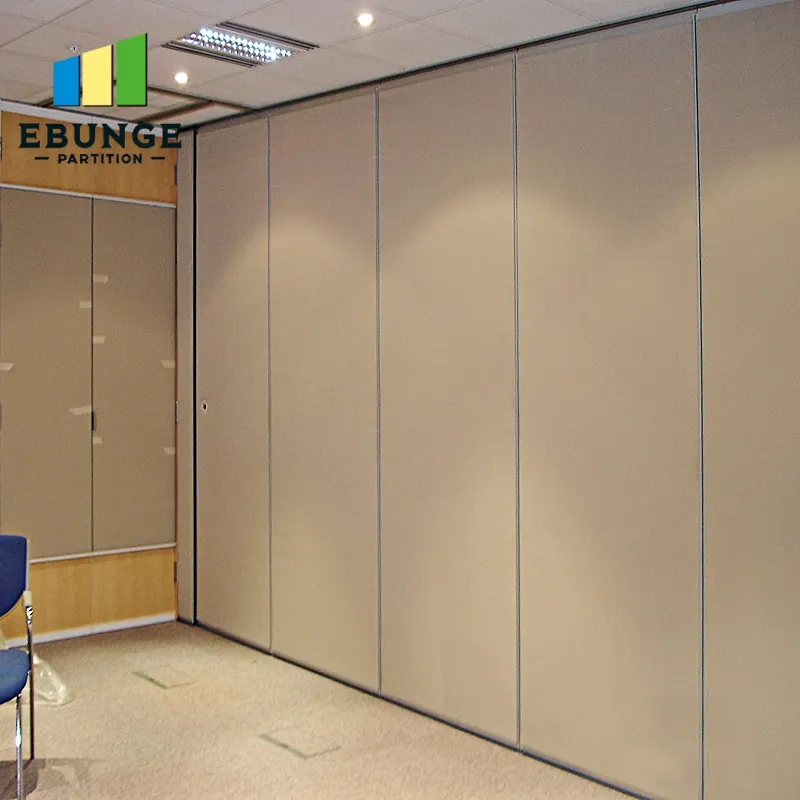
A Six-Step Operating Envelope Review Process
Checklist focus: changeover capacity assumption audit.
- Collect the handed-over documents. Gather the layout drawings, route notes and any parking position information that was issued at handover.
- Map the documented routes. Confirm that straight, turning and stacking routes are shown as continuous connected overhead routes. The exact route, junction arrangement, continuous overhead path and parking position must be confirmed from the coordinated project drawings.
- Compare documented routes with actual use. Walk the venue during a live changeover and note where the actual movement path differs from the drawing.
- Record room release patterns. Note when each room is released, who releases it, and what must happen before the partition can move.
- Check staffing against the release window. Confirm that the people required for the reset are available in the window, without assuming a fixed number of operators.
- Reconcile booking demand with the envelope. Identify booking patterns that require more reconfigurations than the documented envelope was written for.
Evidence Boundaries for the Audit Record
Review focus: changeover capacity assumption audit.
An audit is only useful if its evidence boundaries are explicit. The following note can be adapted for the project record.
Evidence note: This review covers documented movement routes, parking position, room release patterns, staffing availability and booking demand. Confirm project-specific support, acoustic and dimensional requirements with the responsible parties before relying on any assumption.
Comparing Assumption Types Against Verification Methods
| Assumption type | Typical source | Verification method |
|---|---|---|
| Route availability | Layout drawing | Walk the route and confirm continuous overhead support |
| Parking position | Handover notes | Observe a live reset and check clearance |
| Room release pattern | Operations schedule | Compare scheduled release with actual release |
| Staffing availability | Rota | Check coverage during the changeover window |
| Booking demand | Booking system | Count consecutive reconfigurations per day |
Coordinating the Audit Across Teams
Contractors, architects, interior designers, owners and renovation teams each hold part of the picture. The contractor may hold the as-built route information. The architect or designer may hold the original layout intent. The owner or operator holds the booking and release reality.
Bring these parties together around the same drawing set and the same live observation. Where the documented route and the actual route differ, record the difference rather than resolving it informally. Where a pass-door requirement affects circulation during a reset, discuss it as part of the layout review. Project documentation and pass-door requirements can be discussed with the supplier so that the audit record reflects the handed-over configuration.
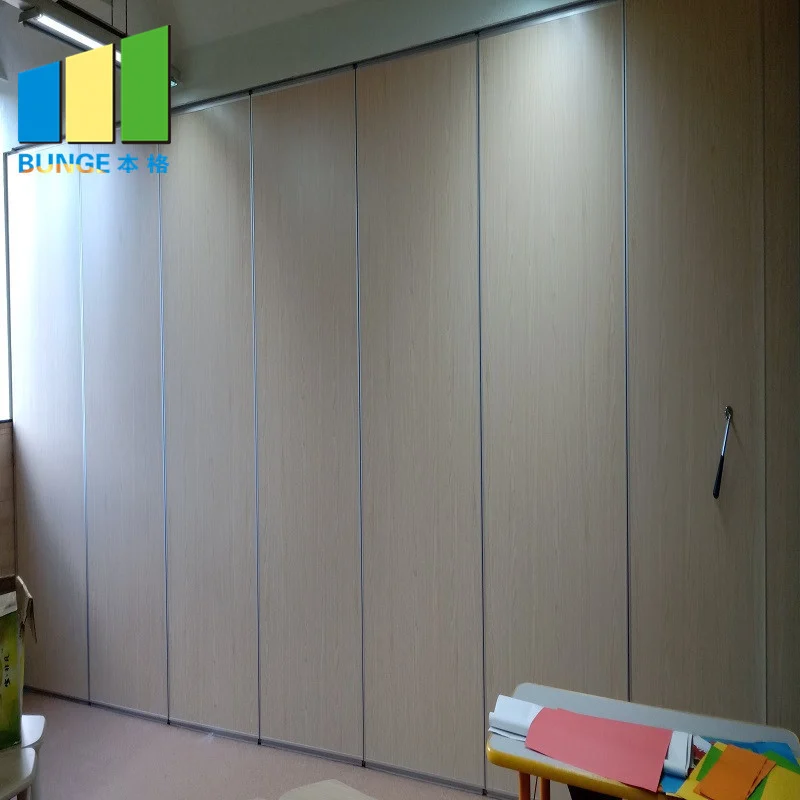
For product context, see the movable wall systems page. Additional planning references are available in the resources library.
FAQ: Changeover Capacity Assumption Audits
What is a movable partition changeover capacity assumption audit?
It is a structured review of the assumptions embedded in a handed-over partition configuration, checking whether documented operating envelopes still match actual room release patterns, staffing availability and booking demand.
Does the audit require acoustic testing?
No. The audit focuses on operational assumptions such as routes, parking, release patterns and staffing. Confirm project-specific acoustic requirements separately.
Can the audit be done from drawings alone?
Drawings are the starting point, but a live observation of at least one changeover is needed to compare documented routes and release patterns with actual practice.
What if the actual movement route differs from the drawing?
Record the difference and review it with the responsible parties. Every proposed movement path requires a continuous connected overhead route and project-specific support review.
How often should the audit be repeated?
Repeat it whenever booking demand, room release patterns or staffing availability change materially, or when a performance shortfall is attributed to the partition system.
Who should be involved in the review?
Facility operations, the owner or operator, and the project team members who hold the layout and route documentation. Confirm project-specific responsibilities before the review.
Conclusion and Next Steps
A changeover capacity assumption audit protects both the venue and the partition system. It replaces vague expectations with a documented operating envelope, and it prevents operational shortfalls from being misread as product failures. Start with the handed-over drawings, observe a live changeover, and reconcile the findings with booking demand and staffing reality.
To discuss project documentation, pass-door requirements or layout review for a specific venue, contact the EBUNGE team. Confirm project-specific support, acoustic and dimensional requirements before finalising any operating assumption.