
Quick answer: ambulant route decision point audit
Review focus: ambulant route decision point audit.
A movable partition stacking pocket approach ambulant route decision point audit is a drawing-based review that checks how panels travel, where they park, and how people move through the same space. It is not a performance test. It is a coordination method for contractors, architects, interior designers, owners and renovation teams who need to compare layout intent against maintained product facts before construction details are fixed.
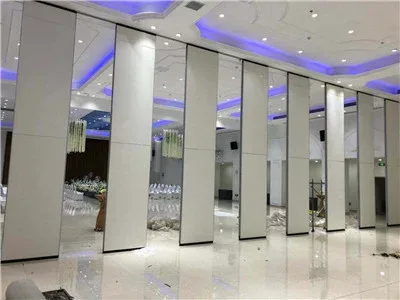
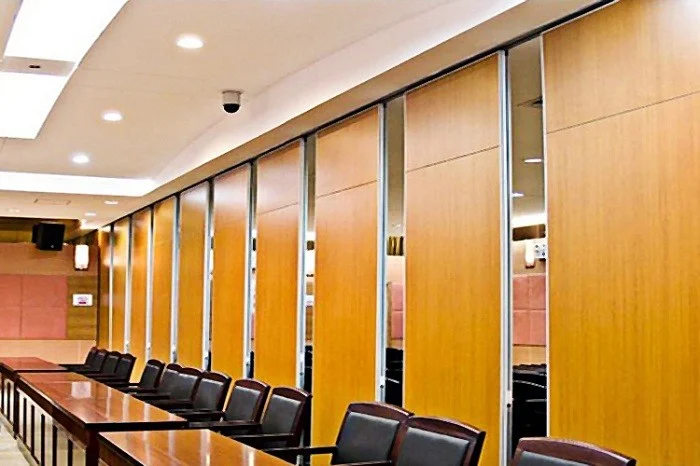
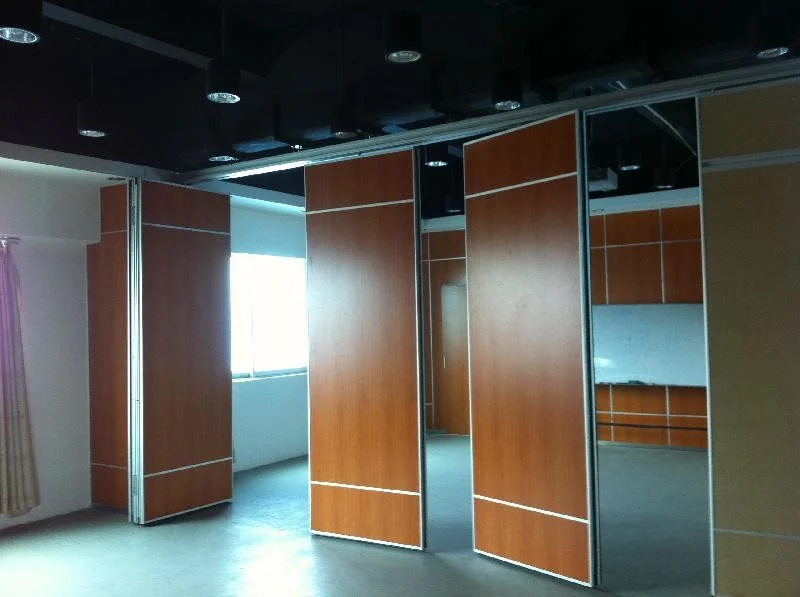
EBUNGE movable partition panels are individually movable, suspended from a top track, cross the opening without a floor track, and park at a planned stacking position. Straight, turning and stacking routes are reviewed from the layout. The suitability of each route and parking arrangement depends on the approved layout, circulation, ceiling interfaces and operating sequence.
Why the Stacking Pocket Approach Deserves Its Own Review
Project review term: ambulant route decision point audit.
The stacking pocket approach is the path panels follow from the closed position to the parked position. It includes the overhead route, any turning geometry, and the final stacking location. Because panels are top-hung and do not run on a continuous floor track, the floor remains clear along the partition line. That does not mean the route is automatically simple. Every proposed movement path still requires a continuous connected overhead route and project-specific support review.
A common planning error is to treat the pocket as a leftover space. In practice, the pocket approach affects door swings, corridor widths, furniture layouts and emergency egress assumptions. The audit should therefore begin with the route, not with the pocket dimensions alone.
What the audit can and cannot confirm
The audit can confirm that a proposed route is described consistently across drawings. Treat any visible shape, finish or photograph as a design reference, not as proof of hidden performance.
Ambulant Route Decision Points: A Practical Checklist
Coordination scope: ambulant route decision point audit.
Ambulant route decision points are the locations where a person must choose a direction, wait, pass through, or move around a parked panel. Use the following checklist during drawing review. It is a coordination tool, not a compliance certificate.
- Entry threshold: Confirm the clear opening when panels are closed and when they are parked.
- Pocket mouth: Check whether the approach to the stacking position conflicts with adjacent doors, services or fixed furniture.
- Turning point: Identify any change of direction along the overhead route and confirm it is shown on the layout.
- Pass-door location: Discuss pass-door requirements early, because a pass door changes the ambulant route even when the main partition is open.
- Stacked footprint: Review the parked position against circulation space, not only against the wall line.
- Signage and wayfinding: Note where users may need visual cues to avoid walking into a moving panel zone.
Each decision point should be marked on the same drawing set used by the design team. If a route is described in words but not drawn, it is not yet coordinated.
How to Run a Stacking Pocket Approach Audit Step by Step
Checklist focus: ambulant route decision point audit.
A repeatable process reduces the risk of discovering a route conflict after finishes are ordered. The steps below are generic and should be adapted to the project.
- Collect the current layout. Use the latest architectural plan showing the closed partition line, the open position and the intended stacking location.
- Trace the overhead route. Mark the straight sections, turning sections and stacking sections as one continuous connected path.
- Overlay ambulant routes. Add the main walking paths, including accessible routes, and note every crossing or shared zone.
- List decision points. Record each point where a user must change direction, pass through a door, or move around a parked panel.
- Check finish and pass-door intent. Confirm whether laminate, melamine, fabric, leather, glass or another approved surface is intended, and whether a pass door is required.
- Record open questions. Separate confirmed layout facts from items that need project-specific support, acoustic and dimensional confirmation.
- Issue for review. Share the marked-up set with the partition supplier and the wider design team before fixing adjacent trades.
This sequence keeps the audit evidence-bounded. It does not require performance assumptions, and it does not replace engineering review.
Evidence Notes for Acoustic and Dimensional Claims
Review focus: ambulant route decision point audit.
Evidence note: Confirm project-specific support, acoustic and dimensional requirements with the supplier and the design team. Do not infer hidden performance from a finish sample, a photograph or a generic application example.
Dimensional review follows the same rule. Clear openings, stacking footprints and route widths must be confirmed against the application reference drawings. Where a drawing is silent, mark it as an open item rather than assuming a default.
Coordination Between Trades and the Partition Supplier
The stacking pocket approach rarely belongs to one trade. The audit should identify where these elements intersect the proposed route and where responsibility for coordination sits.
For overseas projects, time-zone differences and drawing conventions can slow review. A simple marked-up plan with numbered decision points is often more useful than a long written description. Include the partition supplier early so that route feasibility and support requirements can be discussed against the same drawing revision.
Questions to bring to the supplier
Ask how the proposed straight, turning and stacking routes are reviewed from the layout. Ask what information is needed to discuss pass-door requirements and project documentation. Ask which finish options are confirmed for the intended application. These questions keep the conversation within maintained product facts.
Common Assumptions That Weaken the Audit
One assumption is that a clear floor means an unrestricted route. In reality, the overhead route must be continuous and connected. Another assumption is that the stacking pocket can be sized after the partition is selected. In practice, the pocket approach and the ambulant route should be reviewed together.
Visible references can support layout discussion but do not verify hidden construction or performance. It does not. Laminate, melamine, fabric, leather, glass and other approved surfaces are finish options; they are not evidence of hidden test results. Keep finish selection and performance confirmation as separate review items.
FAQ: Stacking Pocket and Ambulant Route Review
What is a movable partition stacking pocket approach ambulant route decision point audit?
It is a drawing-based review that traces how panels move from the closed position to the stacking position and identifies where people must make circulation decisions along the same route.
Does a top-hung partition need a floor track along the partition line?
No. EBUNGE movable partition panels are suspended from a top track and cross the opening without a floor track. The overhead route still requires a continuous connected path and project-specific support review.
Can the audit confirm acoustic performance?
No.
When should pass-door requirements be discussed?
Discuss pass-door requirements early, because a pass door changes the ambulant route and may affect the stacking pocket approach. Project documentation can be reviewed alongside the layout.
Which finish options can be considered?
Confirmed finish options include laminate, melamine, fabric, leather, glass and other approved surfaces. Finish selection should be confirmed against the project specification and intended use.
What should be marked as an open item?
Any route, support, acoustic or dimensional condition that is not shown on the current drawing set should be marked as an open item for project-specific confirmation.
Conclusion and Next Step
A disciplined stacking pocket approach and ambulant route decision point audit helps project teams coordinate movable partition walls without overstating what drawings can prove. Trace the route, mark the decision points, separate confirmed facts from open questions, and confirm project-specific support, acoustic and dimensional requirements before construction details are fixed.
To review your layout, finish intent or pass-door requirements, contact the EBUNGE team. You can also explore movable wall products and the project resources for further planning context.