
Quick project answer
Review focus: movable partition wall.
Before a facility accepts a movable partition installation, the project team should be able to answer a simple question: who holds each closeout record right now? A movable partition wall document custody chain transmittal ledger gives that answer in one controlled register. It records the holder, the transmittal event, the receipt and the return status of every document that matters to acceptance. This article sets out a planning framework for overseas contractors, architects, interior designers, owners, renovation teams and distributors who need traceable handover documentation without inventing performance or commercial conclusions.
Why a Custody Chain Matters More Than a Folder of Files
Project review term: movable partition wall.
A shared folder shows that a file exists. It does not show who currently holds the controlled copy, who received a transmittal, or whether a returned marked-up drawing was replaced by a later revision. When several parties review drawings, finish schedules and closeout records at the same time, custody can become unclear.
The ledger solves that by treating each record as an item with a current holder and a movement history. The chain is not a claim about product performance. It is an administrative control that supports project-specific review and acceptance planning.
Define the Records That Enter the Ledger
Coordination scope: movable partition wall.
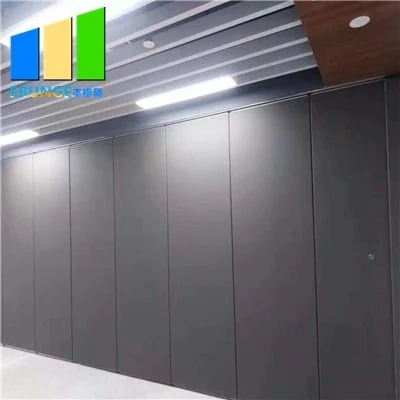
Start by agreeing which records the project will track. The list should reflect the actual scope and the contract, not a generic template. For movable partitions, typical record groups include layout and route drawings, finish approvals, pass-door requirements, and the project documentation agreed for handover.
Record groups to consider
- Layout drawings showing straight, turning and stacking routes.
- Finish approvals for laminate, melamine, fabric, leather, glass and other approved surfaces.
- Pass-door requirement notes and related coordination records.
- Closeout and acceptance records defined by the project team.
- Transmittal receipts and return records for each controlled issue.
Each item should have a unique identifier, a revision label, an issue date and a named holder. If a record is superseded, the ledger should show that the earlier revision was returned or marked void rather than leaving two active copies in circulation.
Build the Transmittal Receipt Ledger Structure
Checklist focus: movable partition wall.
A useful ledger is compact enough to update and detailed enough to audit. The following columns are a practical starting point; adjust them to the project’s document control procedure.
| Field | Purpose |
|---|---|
| Record ID and revision | Identifies the exact document being tracked. |
| Current holder | Names the party responsible for the controlled copy. |
| Transmittal date | Records when the item was issued. |
| Receipt status | Shows whether the recipient confirmed receipt. |
| Return status | Shows whether a marked-up or superseded copy came back. |
| Next action | States the follow-up needed before acceptance. |
The ledger should be reviewed at coordination meetings so that stale holders and missing receipts are visible early. A record that has been transmitted but not acknowledged is not the same as a record that has been received and accepted for review.
Run the Custody Chain as a Numbered Process
Consistency matters more than complexity. A simple sequence keeps the chain intact from first issue to final acceptance.
- Register the record and assign a unique identifier.
- Issue the record by transmittal and record the date.
- Confirm receipt with the named holder.
- Track review comments and any returned marked-up copy.
- Replace superseded revisions and record the return.
- Close the item when the project team confirms it is no longer active.
This process does not replace the project’s document control system. It gives the movable partition scope a clear custody view that can be reconciled with the wider handover file.
Coordinate the Ledger With Drawing and Route Review
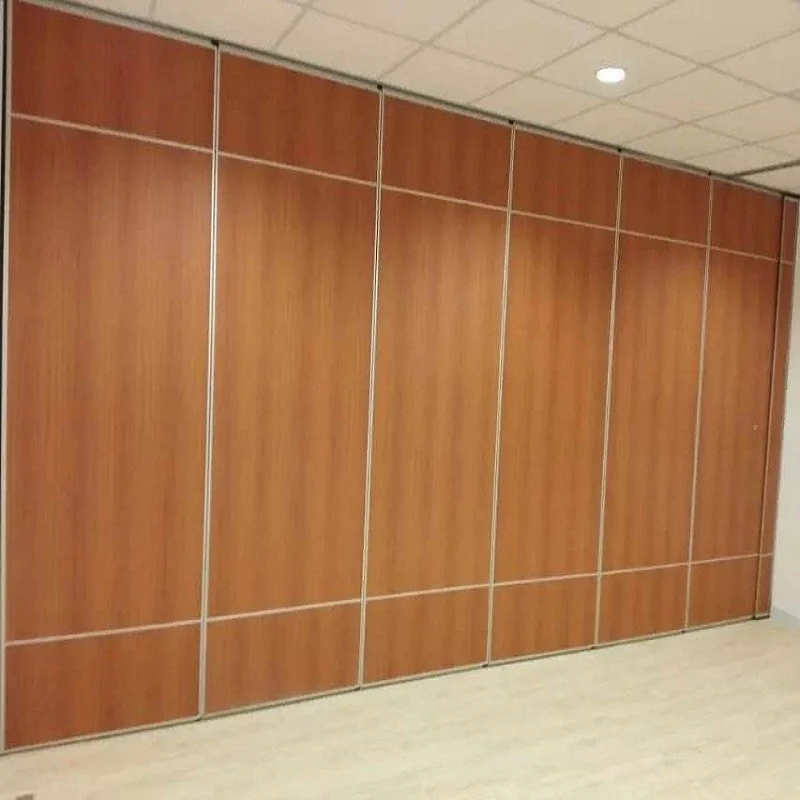
Movable partition panels are individually movable, suspended from a top track, cross the opening without a floor track, and park at a planned stacking position. Straight, turning and stacking routes are reviewed from the layout. The exact overhead route and support arrangement must be confirmed by the responsible project team from coordinated drawings.
When a route drawing is revised, the ledger should show who holds the current revision and whether earlier copies were returned. The same discipline applies to finish approvals and pass-door requirement notes. Project-specific support, acoustic and dimensional requirements still need to be confirmed against the actual layout and structure.
Evidence Boundaries for Handover Statements
Handover documentation often drifts into claims that the records cannot support. A ledger can show that a document was transmitted and received. Visible references can support layout discussion but do not verify hidden construction or performance.
Use the ledger to track custody and transmittal. Use project-specific evidence for performance, engineering and commercial conclusions.
The suitability of each route and parking arrangement depends on the approved layout, circulation, ceiling interfaces and operating sequence. Confirm project-specific acoustic requirements with the responsible specialists.
Review Cadence and Acceptance Readiness
Set a review rhythm that matches the project stage. Early in the project, the ledger may focus on layout and finish approvals. Later, it should show that closeout records are held by the right parties and that superseded copies have been returned.
Questions to ask at each review
- Does every active record have a named holder?
- Are there transmittals without confirmed receipts?
- Are returned marked-up copies linked to the correct revision?
- Are any records still held by parties outside the acceptance scope?
- Is the next action clear for every open item?
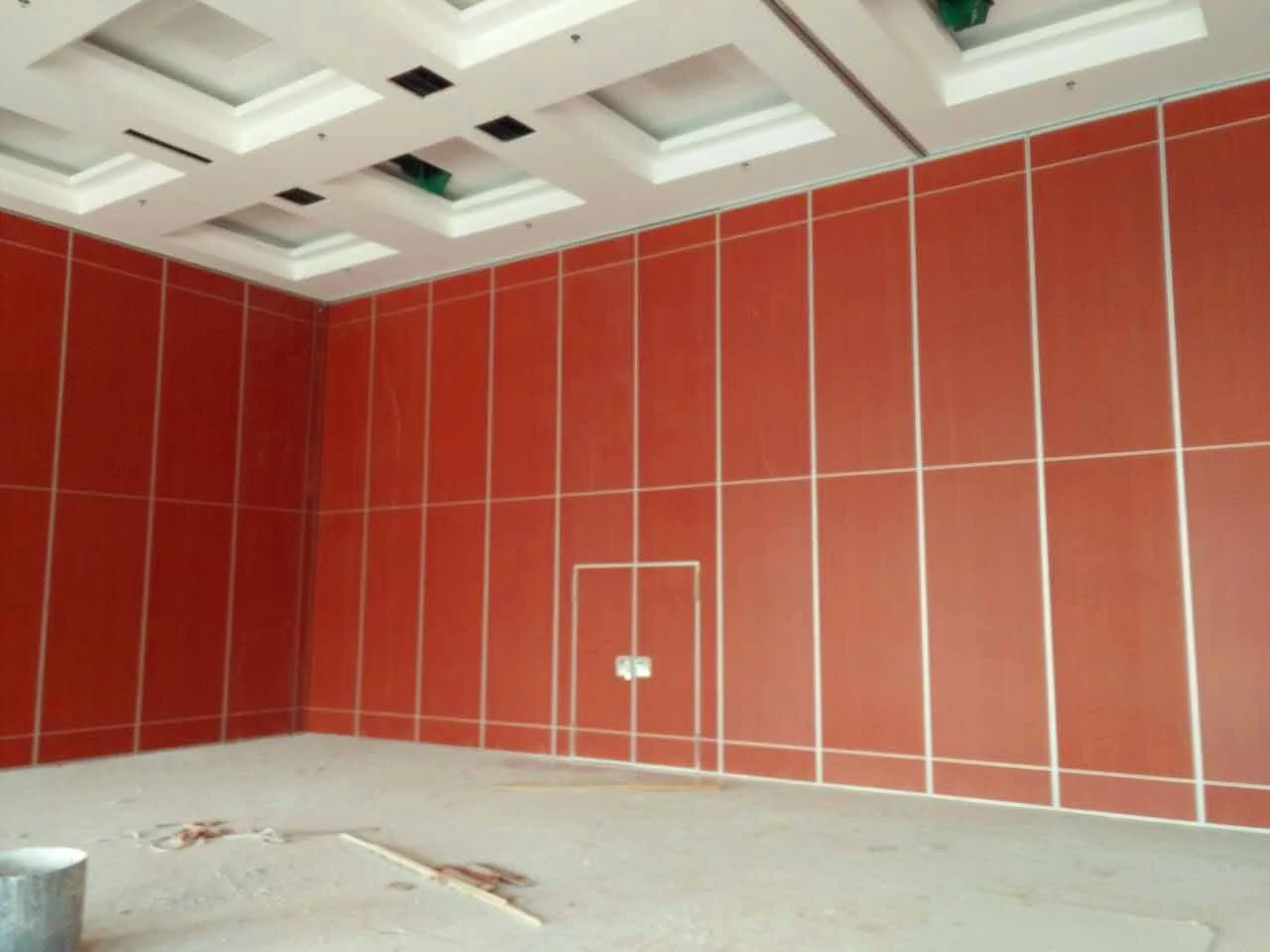
This cadence helps the team avoid a last-minute search for records before facility acceptance. It also makes the custody chain visible to owners and reviewers who need to understand the status of each item.
FAQ: Movable Partition Wall Document Custody and Transmittal
What is a movable partition wall document custody chain transmittal ledger?
It is a register that records which party holds each controlled closeout record, when it was transmitted, whether receipt was confirmed, and whether it was returned or superseded.
Does the ledger replace the project document control system?
No. It is a scope-level view for movable partition records that should be reconciled with the project’s wider document control procedure.
Which records should be included?
Include the records the project team agrees are needed for review and acceptance, such as layout and route drawings, finish approvals, pass-door requirement notes and closeout records.
Can the ledger prove acoustic performance?
No. It tracks custody and transmittal only.
How often should the ledger be reviewed?
Review it at coordination meetings and at each project stage, so that missing receipts, stale holders and superseded revisions are visible before acceptance.
What should happen when a record is superseded?
The earlier revision should be returned or marked void, and the ledger should show the replacement revision and its current holder.
Conclusion: Make Custody Visible Before Acceptance
A movable partition wall document custody chain transmittal ledger turns handover documentation into a traceable process. It shows who holds each record, when it moved, and whether it came back. For overseas project teams, that visibility supports cleaner coordination and a more orderly acceptance review.
Use the movable wall product context and the project resources to align the ledger with the agreed scope. Confirm project-specific support, acoustic and dimensional requirements with the responsible parties. To discuss pass-door requirements and project documentation, contact the EBUNGE team.