
Quick project answer
Review focus: track zone readiness gate.
On a busy fit-out, the movable partition track zone readiness gate crew release decision is often made too early. Ceiling crews are still closing access panels, floor finishes are curing, and someone asks the partition crew to start. This framework helps contractors hold that release until the overhead route, support condition and interface drawings are confirmed. It is a planning tool, not a performance claim. Every project still requires its own support, acoustic and dimensional review.
Why a Readiness Gate Beats a Fixed Start Date
Project review term: track zone readiness gate.
The suitability of each route and parking arrangement depends on the approved layout, circulation, ceiling interfaces and operating sequence. A readiness gate is a set of visible, documented conditions that must be met before the partition crew is released to site. It protects the sequence between ceiling, floor and partition trades.
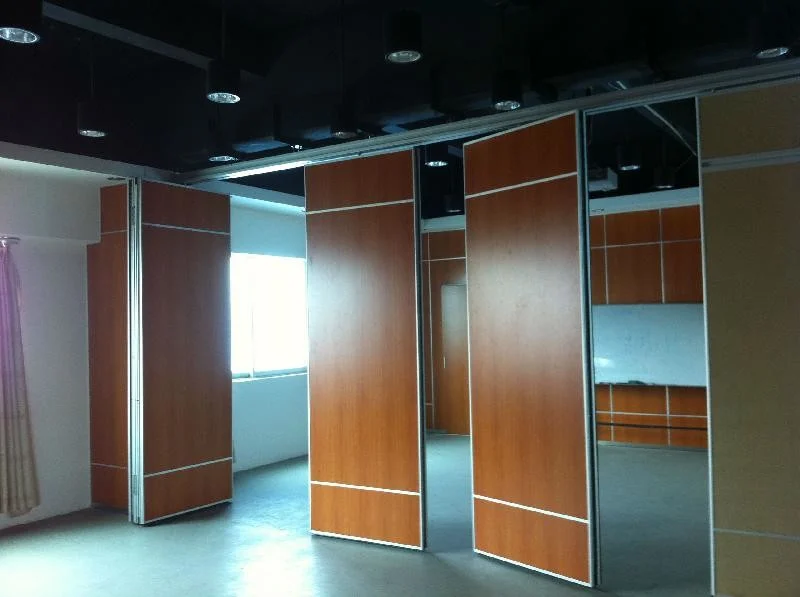
EBUNGE movable partition panels are individually movable, suspended from a top track, cross the opening without a floor track, and park at a planned stacking position. That operating concept depends on a continuous connected overhead route. The exact route, junction arrangement, continuous overhead path and parking position must be confirmed from the coordinated project drawings. The gate exists to confirm the route before labor is committed.
The Track Zone Readiness Gate: Six Conditions
Coordination scope: track zone readiness gate.
Treat the gate as a formal handover between trades. Each condition should be signed off against the current coordinated drawing set, not against a verbal update.
- Overhead route continuity: the straight, turning and stacking routes shown on the layout are reviewed as one connected path.
- Ceiling access and closure: the ceiling zone is open enough for the reviewed installation sequence, or a documented access plan is in place.
- Floor zone clear: the partition line and parking area are free of stored materials, wet finishes or conflicting services.
- Stacking position defined: the planned parking location is marked and coordinated with adjacent trades.
- Documentation current: the latest approved layout, elevations and interface details are on site and match the gate checklist.
If any condition is unresolved, the gate stays closed. That is a scheduling decision, not a judgment about the product.
Coordinating Ceiling, Floor and Partition Trades
Checklist focus: track zone readiness gate.
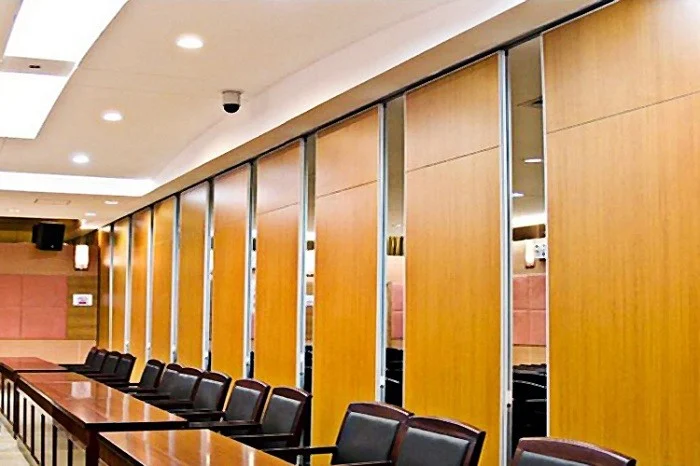
The three trades meet at the track zone. Ceiling teams control access and closure. Floor teams control finish readiness and protection. Partition teams control the hanging system and panel movement. The gate gives each trade a clear handover point.
Ceiling trade interface
Confirm that the ceiling design allows the reviewed installation sequence. Where access is limited, agree the sequence in writing before the ceiling is closed. Do not assume that a visible ceiling line defines the support condition.
Floor trade interface
Because the panels cross the opening without a floor track, the floor line is not a running guide. The floor team still needs to protect the finish along the movement and parking routes. Confirm protection and cleaning responsibilities at the gate.
Partition trade interface
The partition crew should receive the approved layout, the confirmed stacking position and the current interface details. Pass-door requirements and project documentation can be discussed with the supplier so the crew understands the opening sequence.
Crew Release Sequence: A Numbered Process
Use this sequence to move from gate review to crew release without skipping coordination steps.
- Issue the current coordinated drawing set to all three trades.
- Walk the track zone together and mark each gate condition as open or closed.
- Record unresolved items with a responsible party and a review date.
- Confirm the stacking position is clear and protected.
- Release the partition crew only when all gate conditions are closed.
- Hold a short pre-start briefing on the approved sequence and interfaces.
This sequence keeps the release decision tied to evidence rather than pressure. It also creates a record if later changes affect the track zone.
Evidence Boundaries: What the Gate Can and Cannot Confirm
The gate confirms visible coordination conditions.
Evidence note: A finish sample, a photograph or a layout drawing does not prove acoustic, fire, durability, load or maintenance performance. Those topics require project-specific confirmation from the responsible parties.
Confirm acoustic requirements with the project acoustic consultant and the supplier documentation.
Finish options include laminate, melamine, fabric, leather, glass and other approved surfaces. Confirm those items separately.
Common Coordination Failures and How the Gate Prevents Them
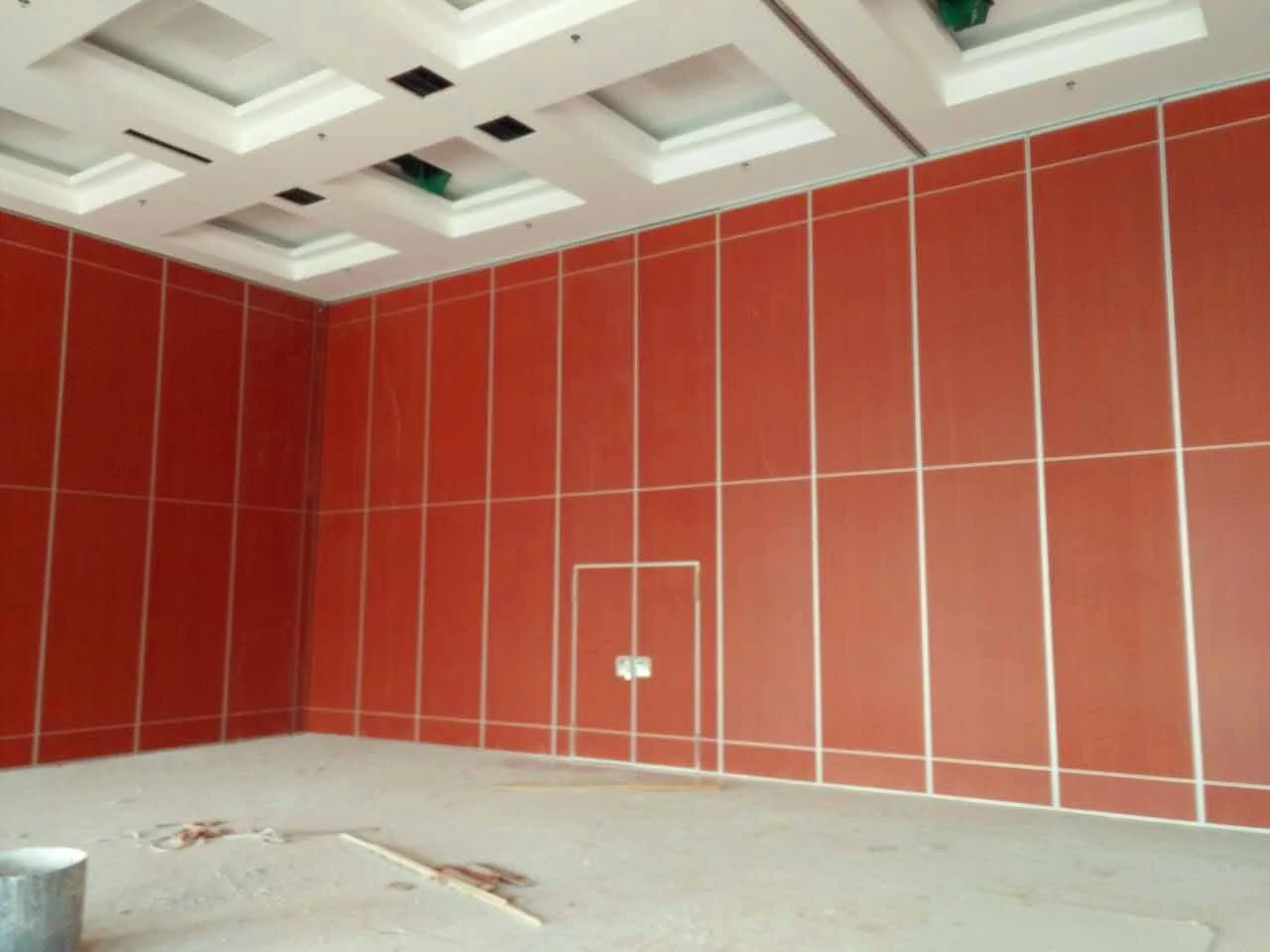
Most track zone problems are coordination problems, not product problems. The gate makes them visible early.
| Failure pattern | Gate response |
|---|---|
| Ceiling closed before route review | Hold release until overhead route continuity is confirmed |
| Floor finish damaged by movement | Confirm protection along movement and parking routes |
| Stacking position blocked by stored materials | Mark and clear the planned parking location |
| Outdated layout used on site | Verify the current approved drawing set at the gate |
Each response is a planning action. None of them replaces project-specific engineering review.
Documentation to Bring to the Gate Review
Bring the approved layout showing straight, turning and stacking routes. Bring the ceiling and support interface details. Bring the current finish schedule and any pass-door requirements. Bring the trade responsibility matrix. If a document is missing, the gate remains open.
Project teams can review movable wall systems and the planning resources before the gate meeting. For project-specific questions, contact the EBUNGE team to discuss documentation and pass-door requirements.
Frequently Asked Questions
What is a track zone readiness gate?
It is a documented set of conditions that must be met before the partition crew is released to site. It covers overhead route continuity, support review, ceiling access, floor clearance, stacking position and current documentation.
Who should attend the gate review?
The ceiling trade, floor trade, partition trade and the party responsible for the support interface should attend. The project manager or coordinator should record open items and assign review dates.
Can the partition crew start before the ceiling is finished?
Only if the reviewed installation sequence and access plan allow it. The gate should confirm that the overhead route and support condition are ready for the planned work. Otherwise, release should wait.
Does the gate confirm acoustic performance?
No. The gate confirms coordination conditions.
What happens if the stacking position changes?
The gate should be reopened. A changed stacking position can affect the movement route, floor protection and adjacent trades. Review the updated layout before continuing.
How does the gate handle pass doors?
Pass-door requirements should be documented and discussed with the supplier before release. The gate review should confirm that the opening sequence and interface details are current.
Conclusion: Release Crews on Evidence, Not Assumption
A movable partition track zone readiness gate crew release framework gives contractors a repeatable way to coordinate ceiling, floor and partition trades. It keeps the release decision tied to the approved layout, the confirmed overhead route and the project-specific support review.
Use the gate checklist, the crew release sequence and the evidence boundaries in this article as a starting point for your next project meeting. Confirm all support, acoustic and dimensional requirements with the responsible parties before work begins.
Ready to review your track zone documentation? Contact EBUNGE to discuss your project drawings, pass-door requirements and coordination questions.