
Quick answer: movable partition changeover circulation sweep
Review focus: movable partition changeover circulation sweep.
Every time a movable partition wall is reconfigured, the room changes shape, and so do the paths people use to enter, move through and leave. A movable partition changeover circulation sweep sign-off is the disciplined step between finishing the panel movement and releasing the space for its next use. It confirms that ambulant and wheeled routes are reinstated, that nothing has been left in a path, and that the person responsible has recorded what they checked. This article sets out a framework facility teams can adapt, while keeping every project-specific requirement tied to drawings and confirmed information.
Why Changeover Circulation Deserves Its Own Sign-Off
Project review term: movable partition changeover circulation sweep.
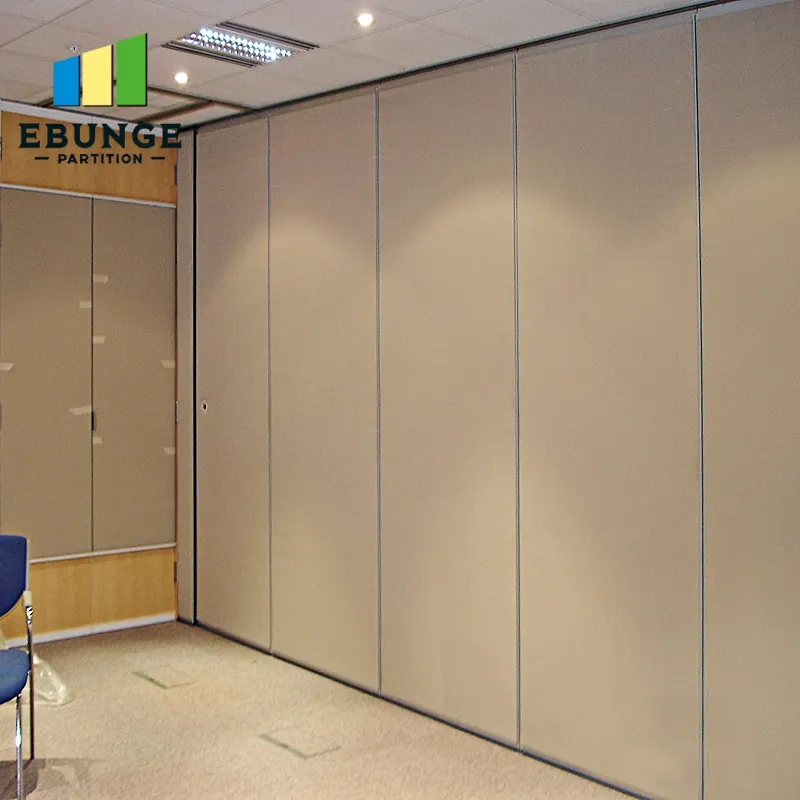
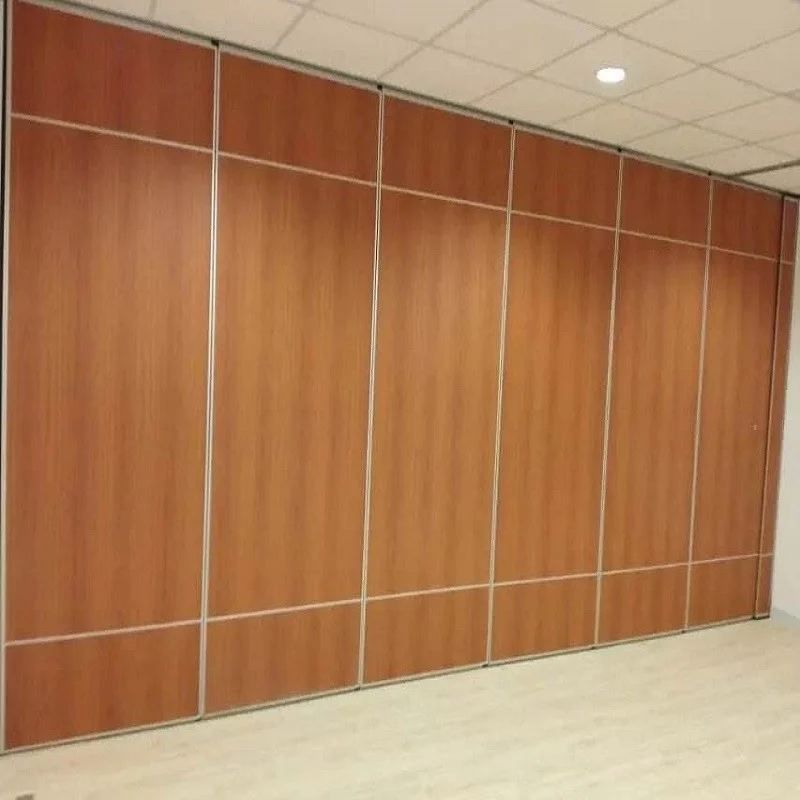
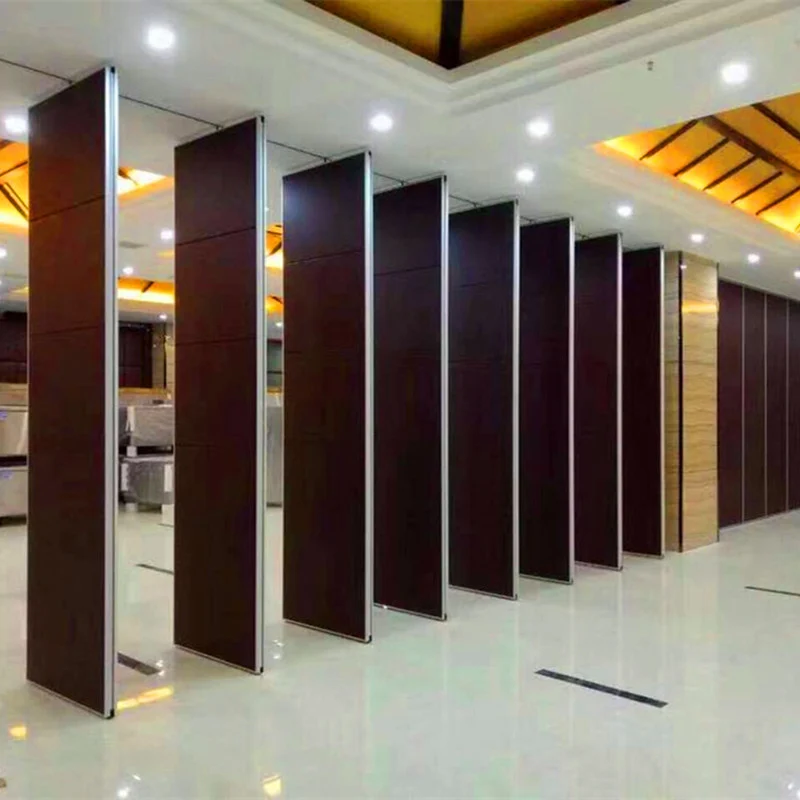
Movable partition panels are individually movable and suspended from a top track. They cross the opening without a floor track and park at a planned stacking position. That operating principle is simple, but the operational consequence is that the floor plan is not fixed. Each configuration creates a different set of clear routes, turning points and stacking zones.
Because the panels are top-hung, the floor itself is not the constraint. The constraint is what occupies the floor after the changeover: parked panels, temporary furniture, service equipment, cable runs or waste. A circulation sweep is therefore not a repeat of the installation check. It is a use-readiness check performed by the team that will hand the space over.
What the Sweep Can and Cannot Confirm
Coordination scope: movable partition changeover circulation sweep.
A sweep is a visual and dimensional check of the routes the project has already agreed. The exact route, junction arrangement, continuous overhead path and parking position must be confirmed from the coordinated project drawings. The suitability of each route and parking arrangement depends on the approved layout, circulation, ceiling interfaces and operating sequence.
If a project requires a stated acoustic outcome, that requirement must be confirmed separately against project documentation.
A Six-Step Changeover Circulation Sweep
Checklist focus: movable partition changeover circulation sweep.
The sequence below is designed to be short enough to run at every changeover and structured enough to produce a record. Adapt the wording to your own operating procedures.
- Confirm the configuration. Identify which layout has been set and which drawing or room diagram it corresponds to.
- Walk the primary route. Follow the main entry-to-exit path at normal walking pace, noting any obstruction.
- Check turning and stacking routes. Review the straight, turning and stacking routes shown on the layout, including the space around the parked panels.
- Check the secondary route. Where the layout provides an alternative path, verify it is usable and not blocked by stored items.
- Record exceptions. Note anything that could not be cleared, and who has been asked to resolve it.
- Sign off or hold. Release the space only when the agreed routes are clear; otherwise hold and escalate.
Route Reinstatement Checklist for Facility Teams
Review focus: movable partition changeover circulation sweep.
Use a checklist that matches the room, not a generic list. The following items are commonly relevant, but the project team should confirm which apply.
- Primary entry and exit path clear for the expected traffic.
- Stacking position matches the planned parking location.
- No temporary items left in a designated route.
- Pass-door requirements, where specified, are usable and not blocked.
- Signage or wayfinding still matches the current configuration.
- Any route change caused by the new layout is communicated to users.
Evidence Notes: What to Record and What to Leave Open
A sign-off record should state what was checked, when, by whom, and against which layout. It should not assert performance that was not measured. Avoid wording such as “acoustically sealed” or “fully compliant” unless the project has documentation that supports it.
Where a route depends on a dimension, record the dimension as a project requirement to be confirmed, not as a product property. Where a route depends on support or overhead continuity, note that the movement path requires a continuous connected overhead route and project-specific support review. Do not infer support conditions from a photograph or a finish sample.
Coordination With Contractors, Designers and Owners
Circulation review sits between design intent and daily operation. Architects and interior designers define the intended routes; contractors and renovation teams install and adjust; owners and facility teams operate the result. The sweep is where those three perspectives meet.
Panel handling and the operating sequence must be confirmed for the selected layout and project conditions. Where pass-door requirements or project documentation need clarification, raise them before the first changeover rather than during a live event.
Common Failure Points in Changeover Sign-Off
Most circulation problems are procedural rather than technical. Frequent issues include treating the sweep as optional when the room is busy, relying on memory instead of a layout drawing, and allowing storage to drift into a route over time.
Another failure point is over-claiming. Keep the language of the sign-off aligned with what was actually observed.
FAQ: Changeover Circulation Sweep Sign-Off
What is a movable partition changeover circulation sweep sign-off?
It is a structured check performed after movable partition panels are reconfigured, confirming that the agreed circulation routes are clear and that the space can be released for use.
Does every changeover need a full sweep?
The project team should define the trigger. In many facilities, any change to the room configuration is treated as a trigger, with the depth of the sweep matched to the change.
Can the sweep confirm acoustic performance?
No. Visible references can support layout discussion but do not verify hidden construction or performance.
Who should sign off?
The responsible person should be agreed in advance, typically a facility or operations lead with authority to hold the space until exceptions are resolved.
What should be recorded?
Record the layout reference, the routes checked, any exceptions, the person responsible and the release decision. Avoid statements that imply unmeasured performance.
How does this relate to the partition layout drawing?
The drawing defines the intended straight, turning and stacking routes. The sweep verifies the installed configuration against that intent, and any discrepancy should be escalated.
Conclusion: Make the Sweep a Habit, Not an Exception
A changeover is not complete when the last panel moves. It is complete when the routes people rely on have been reinstated and recorded. A short, consistent sweep protects ambulant and wheeled circulation, gives facility teams a defensible record, and keeps design intent connected to daily operation.
To discuss project-specific support, acoustic and dimensional requirements, or to review your layout and documentation, contact the EBUNGE team. You can also review the movable wall product range and the project planning resources before your next changeover review.