
Quick answer: movable partition wall
Review focus: movable partition wall.
Closeout is not the end of a movable partition wall project. It is the moment when drawings, approvals and operating knowledge change hands. A clear movable partition wall document custody transfer access permission plan keeps that transition orderly, so the facility team can operate, maintain and modify the installation without guessing. This framework is for overseas contractors, architects, interior designers, owners and renovation teams who need a defensible handover structure rather than a folder of loose files.
Why Document Custody Matters After Closeout
Project review term: movable partition wall.
Custody is not the same as possession. A contractor may hold the master set during construction, but after closeout the facility operator needs controlled access to the current approved information. Without a defined custody model, revisions, service records and layout changes can become disconnected from the installed configuration.
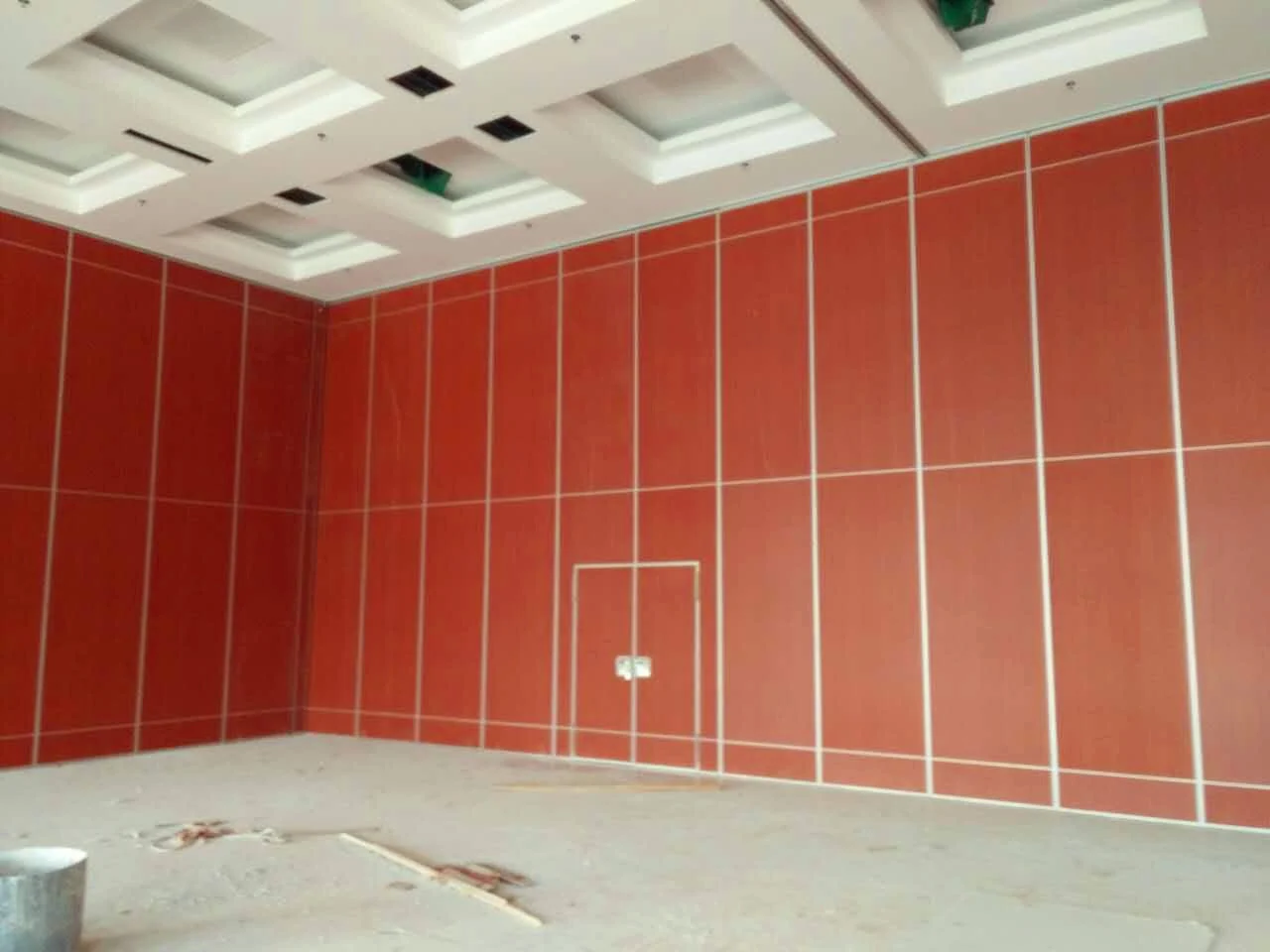
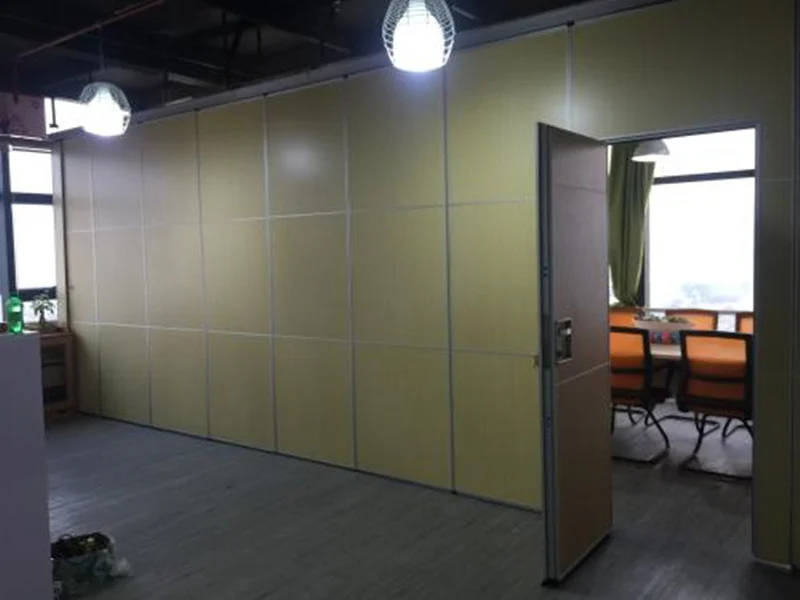
For movable partitions, the risk is practical. Panels are individually movable, suspended from a top track, cross the opening without a floor track and park at a planned stacking position. If the facility team cannot locate the reviewed layout, they may not know which routes were coordinated or which parking position was planned. That is a documentation problem before it becomes an operational one.
What Belongs in the Handover Document Set
Coordination scope: movable partition wall.
The exact contents depend on the project, but a useful handover set usually separates design intent, approved configuration and operational reference. Confirm the required deliverables with the project team and the owner before closeout, because different markets and contract forms expect different records.
- Approved layout drawings showing straight, turning and stacking routes reviewed for the project.
- Confirmed finish schedule covering laminate, melamine, fabric, leather, glass and other approved surfaces.
- Pass-door requirements and any agreed project documentation.
- Closeout correspondence, revision history and approval records.
- Access permission register naming who may view, edit or release each document class.
Treat this as a starting structure, not a fixed list. The exact route, junction arrangement, continuous overhead path and parking position must be confirmed from the coordinated project drawings.
A Step-by-Step Custody Transfer Process
Checklist focus: movable partition wall.
A repeatable sequence reduces the chance that documents are transferred informally and then lost. The steps below can be adapted to the contract and the facility’s own document control rules.
- Agree the document classes and the required approval status before the final inspection.
- Freeze the approved revision set and label each file with its status and date.
- Map each document class to a custodian role, not just a person’s name.
- Set access permissions for view, edit, release and archive actions.
- Transfer custody in a recorded handover meeting and confirm receipt.
- Schedule a review point so the register stays current after occupancy.
Where a document is still awaiting confirmation, mark it clearly rather than presenting it as final. An honest status label is more useful to a facility team than a polished but ambiguous file.
Setting Access Permissions for Facility Teams
Access permission should follow responsibility. A facility manager may need view and release rights for operational records, while only the design authority should approve layout changes. Contractors may retain edit rights during a defects period, then move to view-only access.
| Document class | Typical custodian | Suggested access |
|---|---|---|
| Approved layout drawings | Facility operator | View and controlled release |
| Finish schedule | Owner or designer | View; edit by design authority |
| Revision history | Document controller | Edit and archive |
| Access register | Facility manager | Edit and audit |
This table is a planning aid, not a contractual requirement. Confirm the actual permission model with the parties responsible for the building and its records.
Evidence Boundaries in Handover Documentation
Handover documents describe what was reviewed and approved. Visible references can support layout discussion but do not verify hidden construction or performance.
Evidence note: visible shapes, finishes and drawings do not establish hidden acoustic, structural, durability or commercial performance. Confirm project-specific support, acoustic and dimensional requirements through the appropriate review process.
The suitability of each route and parking arrangement depends on the approved layout, circulation, ceiling interfaces and operating sequence.
Coordinating With the Project Team
Architects and designers can confirm the approved layout and finish intent. Contractors can confirm what was installed and what remains outstanding. Owners and facility teams can confirm who will hold each record after closeout.
Because parking style is customized to the customer layout and project requirements, the handover set should reflect the coordinated design rather than a generic assumption. Named venues and room types are examples only; movable partitions can be considered wherever flexible spatial division, combination or reconfiguration is required.
For product context, review the movable wall systems page. For broader planning material, see the resources library. When the custody model needs project-specific discussion, contact the team.
Common Handover Gaps to Avoid
Most handover problems are predictable. They include transferring files without a custodian, mixing approved and draft revisions, and granting edit rights too broadly. Another common gap is assuming that a facility team already understands the coordinated movement routes.
A short verification pass before closeout can catch these issues. Check that every document class has an owner, that permissions match responsibility, and that any outstanding confirmation is clearly flagged.
Frequently Asked Questions
What is document custody transfer in a movable partition wall project?
It is the recorded process of moving responsibility for approved project documents from the construction team to the facility operator or another named custodian after closeout.
Who should hold access permissions after handover?
Permissions should follow responsibility. Facility teams typically need view and release rights, while design authorities usually control layout changes. Confirm the model with the owner and project team.
Do handover documents prove acoustic performance?
No. Documents record what was reviewed and approved.
How should revisions be managed after closeout?
Keep a single approved revision set, label status and date clearly, and record who may edit or release each document class. Review the register periodically so it stays accurate.
Can the handover set include pass-door information?
Pass-door requirements and project documentation can be discussed with the project team. Include only what has been confirmed for the specific installation.
What should a facility team check first?
Start with the approved layout, the finish schedule and the access register. Confirm that each has a named custodian and a clear status before relying on it.
Conclusion and Next Steps
A structured custody transfer protects the value of the closeout effort. Define document classes, assign custodians, set permissions by responsibility and flag anything still awaiting confirmation. This gives the facility team a reliable reference for the installed movable partition configuration.
To begin that conversation, contact EBUNGE.