
Quick project answer
Review focus: changeover work order backlog.
When a facility relies on flexible rooms, the movable partition changeover work order backlog becomes a daily operational reality rather than a one-off event. Each request to divide, combine or reconfigure a space competes for the same panels, the same overhead route and the same room release window. Without a shared scoring method, urgent requests can be handled informally while lower-priority work quietly accumulates. This article offers an evidence-bounded framework for scoring backlog and room release priority. The exact overhead route and support arrangement must be confirmed by the responsible project team from coordinated drawings. Every project should confirm its own support, acoustic and dimensional requirements through drawing review.
Why a Changeover Work Order Backlog Needs a Scoring Framework
Project review term: changeover work order backlog.
A backlog is not simply a list of rooms waiting to be changed. It is a queue of interdependent tasks. A panel set released from one room may be needed in another. A room cannot be released until its next use is confirmed. A changeover route may depend on a stacking position that is still occupied. Scoring helps operations teams compare requests on consistent criteria rather than reacting to the loudest voice.
The framework below uses only information that facility teams can reasonably maintain: room release windows, route continuity, parking availability and documentation status. It does not require performance assumptions. The suitability of each route and parking arrangement depends on the approved layout, circulation, ceiling interfaces and operating sequence. Actual performance depends on the complete assembly, the surrounding construction and the project-specific design.
Core Inputs for Scoring Room Release Priority
Coordination scope: changeover work order backlog.
Before scoring, confirm that each request has the minimum inputs. Missing inputs should lower a request’s readiness score rather than being filled with assumptions.
- Room release window: the time when the current use ends and the next use begins.
- Route continuity: whether the proposed movement path has a continuous connected overhead route from the opening to the planned parking position.
- Parking availability: whether the coordinated stacking position is free and suitable for the panel set.
- Documentation status: whether drawings, finish selections and pass-door requirements are recorded for the project team to review.
- Dependency links: whether the changeover depends on another room release or a shared panel set.
These inputs are operational, not performance claims. They help the team see which requests are ready to schedule and which need clarification first.
A Five-Step Changeover Work Order Backlog Review Process
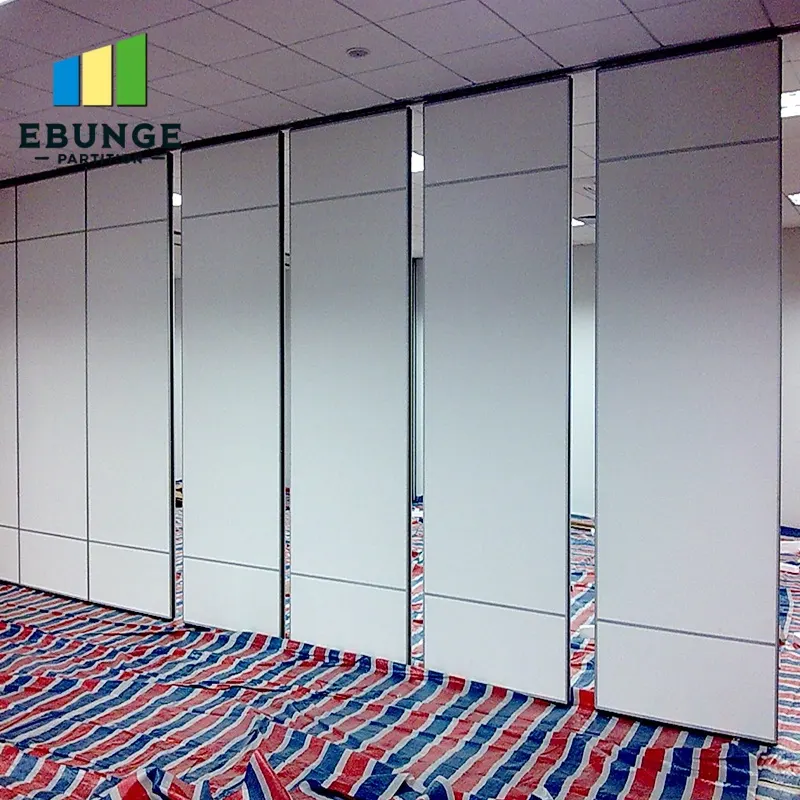
- Log the request with its room release window. Record the requested date, the current room use and the next confirmed use. If the next use is not confirmed, mark the request as provisional.
- Check route continuity. Review the layout to confirm that straight, turning and stacking routes are connected overhead. The exact route, junction arrangement, continuous overhead path and parking position must be confirmed from the coordinated project drawings.
- Confirm parking availability. Identify the planned stacking position and check whether it is free. Parking style is customized to the layout and project requirements, so the team should use the coordinated design rather than a generic assumption.
- Score readiness and impact. Use a simple matrix such as the one below to compare requests. The score is a planning aid, not a performance rating.
- Release the room only when dependencies are clear. If a request depends on another room release, schedule the linked tasks together or flag the dependency for the operations lead.
| Scoring Factor | Low Priority Signal | High Priority Signal |
|---|---|---|
| Room release window | Flexible window with alternatives | Fixed window with no alternative room |
| Route continuity | Route confirmed and unobstructed | Route requires review or has a gap |
| Parking availability | Stacking position free | Stacking position occupied or unclear |
| Documentation status | Drawings and finishes recorded | Missing pass-door or finish details |
| Dependency links | Independent request | Linked to another room release |
Teams can weight these factors according to their own operational priorities. The important discipline is to score consistently and to record the reason for each priority decision.
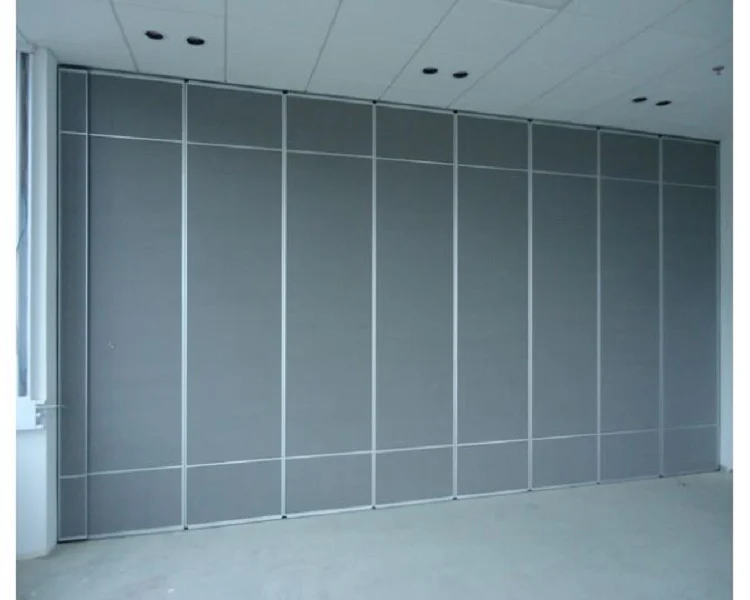
Evidence Boundaries for Backlog Planning
Planning documents often contain information that looks like performance evidence but is not. Visible references can support layout discussion but do not verify hidden construction or performance. The framework therefore separates operational inputs from performance claims.
Evidence note: Do not infer acoustic, fire, durability, load or commercial performance from a visible shape, finish, photograph or drawing. Comparative, absolute and causal statements require corresponding evidence; otherwise state the exact project-specific confirmation boundary.
Where a project requires acoustic separation, the design team should confirm the complete assembly and surrounding construction. The facility operations team should ask for the project-specific acoustic documentation rather than relying on a generic label.
Coordinating Backlog Scoring with Project Documentation
Drawings show the layout, the opening and the planned stacking position. Finish schedules show whether laminate, melamine, fabric, leather, glass or other approved surfaces are specified. Pass-door requirements can be discussed with the project team and recorded before changeover planning is finalized.
For teams comparing options, the movable wall product page provides maintained product context. The resources section offers general planning material. Neither replaces project-specific drawing review. When a request depends on a detail that is not documented, the correct action is to pause scoring and request clarification.
Common Pitfalls in Room Release Priority Scoring

Several pitfalls appear repeatedly in facility operations planning. The first is treating every request as urgent, which erodes the value of the score. The second is ignoring route continuity until the changeover day, when a gap in the overhead route becomes a blocking issue. The third is assuming that a parking position is available without checking the coordinated design. The fourth is using finish preferences as a proxy for acoustic or durability performance.
A useful countermeasure is a short pre-scoring checklist. Confirm the room release window, route continuity, parking availability, documentation status and dependency links before assigning a priority. If any item is unclear, mark the request as needing review rather than guessing.
FAQ: Movable Partition Changeover Work Order Backlog
What is a movable partition changeover work order backlog?
It is the queue of requested changes to movable partition configurations, each with its own room release window, route requirements and parking needs. The backlog becomes manageable when requests are scored consistently rather than handled informally.
How should a facility team score room release priority?
Score each request on room release window, route continuity, parking availability, documentation status and dependency links. Use a consistent matrix and record the reason for each priority decision. The score is a planning aid, not a performance rating.
Can a movable partition cross a gap in the overhead route?
No. Every proposed movement path requires a continuous connected overhead route. If the layout shows a gap or an untracked section, the project team should review the design before scheduling the changeover.
Do finish choices affect acoustic performance?
Finish choices are selected from approved options such as laminate, melamine, fabric, leather, glass and other approved surfaces.
What documentation should be confirmed before changeover planning?
Confirm the layout drawings, route continuity, planned parking position, finish selections and any pass-door requirements. If a detail is missing, request clarification before assigning a priority.
How does STC or Rw relate to the backlog framework?
The backlog framework uses operational inputs and leaves acoustic confirmation to project-specific documentation.
Conclusion and Next Steps
A changeover work order backlog becomes more predictable when facility teams score room release priority on consistent operational inputs. Confirm route continuity, parking availability, documentation status and dependency links before scheduling. Keep performance claims separate from planning assumptions. Where a project requires acoustic, support or dimensional confirmation, review the drawings and request the relevant documentation.
To discuss pass-door requirements, finish options or project documentation for your layout, contact the EBUNGE team.