
Quick answer: changeover crew dispatch board
Review focus: changeover crew dispatch board.
A movable partition changeover crew dispatch board is an operational planning tool, not a product specification. It helps facility teams sequence room releases, panel movements and parking positions across a multi-room venue. The suitability of each route and parking arrangement depends on the approved layout, circulation, ceiling interfaces and operating sequence. This guide sets out a framework for building that board, linking it to real-time room release signals, and keeping every operational claim inside its evidence boundary. Named venues are examples only; the same logic applies wherever flexible spatial division or reconfiguration is required.
Why a Dispatch Board Belongs in Facility Operations Planning
Project review term: changeover crew dispatch board.
Movable wall panels are individually movable, suspended from a top track, cross the opening without a floor track, and park at a planned stacking position. Those maintained facts create a clear operational sequence: release the room, move the panels along a continuous connected overhead route, and park them where the layout intends. A dispatch board turns that sequence into a shared schedule.
Without a board, changeovers are often coordinated verbally. That works until two rooms need the same route or the same parking zone at the same time. The board does not remove those conflicts; it makes them visible early enough for the facility team to resolve them.
What the Dispatch Board Should Contain
Coordination scope: changeover crew dispatch board.
Keep the board deliberately narrow. It should show only information the team can verify from drawings, the layout review and the confirmed product configuration. Anything else becomes a hidden assumption.
- Room or zone identifier and the requested release time.
- Partition line involved and the planned movement route.
- Parking position and whether it is clear of other activity.
- Route type: straight, turning or stacking, as reviewed from the layout.
- Status signal: in use, releasing, in transit, parked, available.
- Open items requiring project-specific confirmation.
Notice what is absent: no assumed changeover duration, no assumed crew size, no acoustic claim. Those belong to project-specific confirmation, not to a generic board.
Real-Time Room Release Signals
Checklist focus: changeover crew dispatch board.
A release signal is simply a confirmed handover from the room user to the facility team. The signal should be unambiguous and tied to the board, so the next movement is not started on a verbal guess.
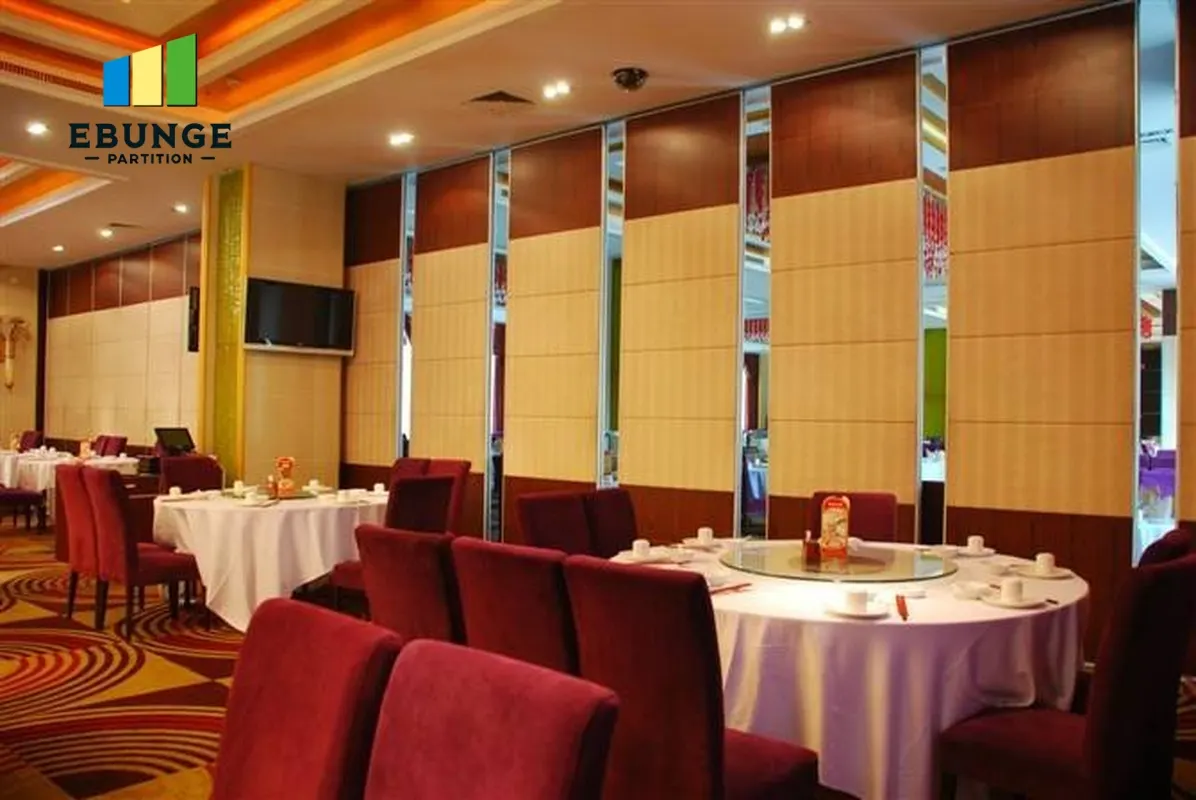
Signal states that work in practice
- In use — the room is occupied and the partition line must not be disturbed.
- Releasing — the user has confirmed the room is clearing; the team prepares but does not move panels.
- Released — the room is clear and the route is confirmed clear.
- In transit — panels are moving along the reviewed route.
- Parked — panels are at the planned stacking position.
- Available — the reconfigured space is ready for its next use.
These states are operational labels, not performance claims. Panel handling and the operating sequence must be confirmed for the selected layout and project conditions.
Route and Parking Review Before the Board Goes Live
Every proposed movement path requires a continuous connected overhead route and project-specific support review. The exact route, junction arrangement, continuous overhead path and parking position must be confirmed from the coordinated project drawings. Straight, turning and stacking routes should be reviewed from the layout, and parking style is customized to the customer layout and project requirements.
Where the coordinated design permits compact stacking, the board should show the intended stacking zone and any adjacent activity that could conflict with it. If the layout review has not confirmed a route or parking position, mark it as an open item rather than scheduling around an assumption.
Evidence Boundaries for Operational Planning
Operational planning is where unsupported claims creep in most easily. A board that says a changeover takes a fixed time, or that a room will meet a specific acoustic target, is making a claim the board cannot support.
Visible references can support layout discussion but do not verify hidden construction or performance. Comparative, absolute and causal statements require corresponding evidence; otherwise state the exact project-specific confirmation boundary.
Where acoustic separation matters, confirm the project-specific requirement with the relevant documentation.
Coordinating Multiple Rooms Without Overloading the Board
Multi-room venues fail operationally when the board becomes a wish list. Keep it to confirmed movements and confirmed releases. If a room release is uncertain, show it as uncertain.
A compact comparison of board approaches
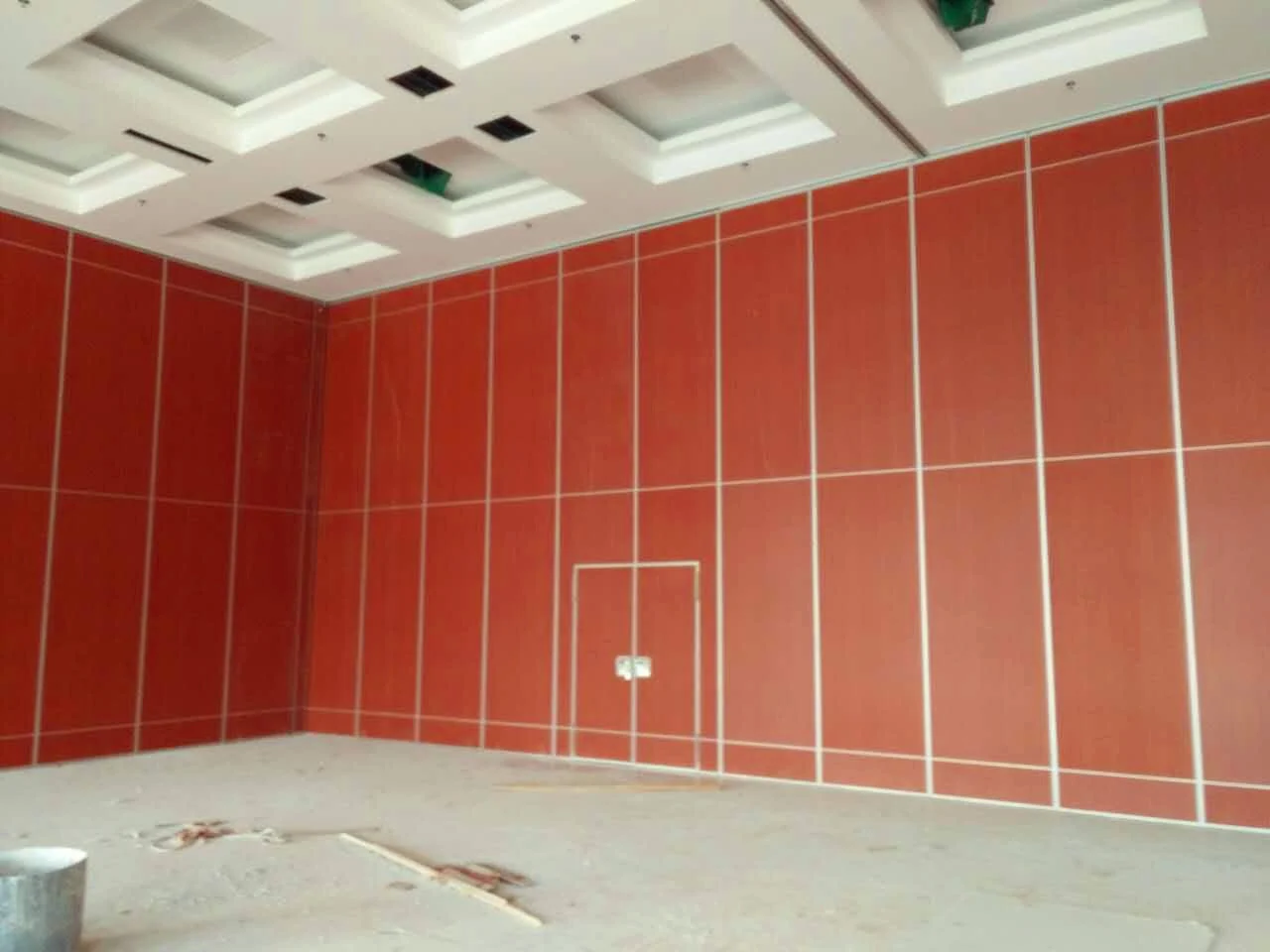
| Approach | What it shows | Main risk |
|---|---|---|
| Verbal coordination | Current room status only | Conflicts appear late |
| Static schedule | Planned sequence | Ignores real-time release changes |
| Dispatch board with release signals | Sequence plus live status | Requires disciplined status updates |
The third approach is the most useful, but only if the team updates it honestly. A board that is not maintained is worse than no board, because it creates false confidence.
Specification and Documentation Questions to Confirm
Before the board is treated as reliable, confirm the project-specific support, acoustic and dimensional requirements. Pass-door requirements and project documentation can be discussed with the supplier so the operational plan matches the delivered configuration.
- Which partition lines and parking positions are confirmed on the layout?
- Which routes are straight, turning or stacking, and are they reviewed?
- Which finish options are approved for each space?
- Which pass-door requirements affect movement or parking?
- Which documentation is available for the project file?
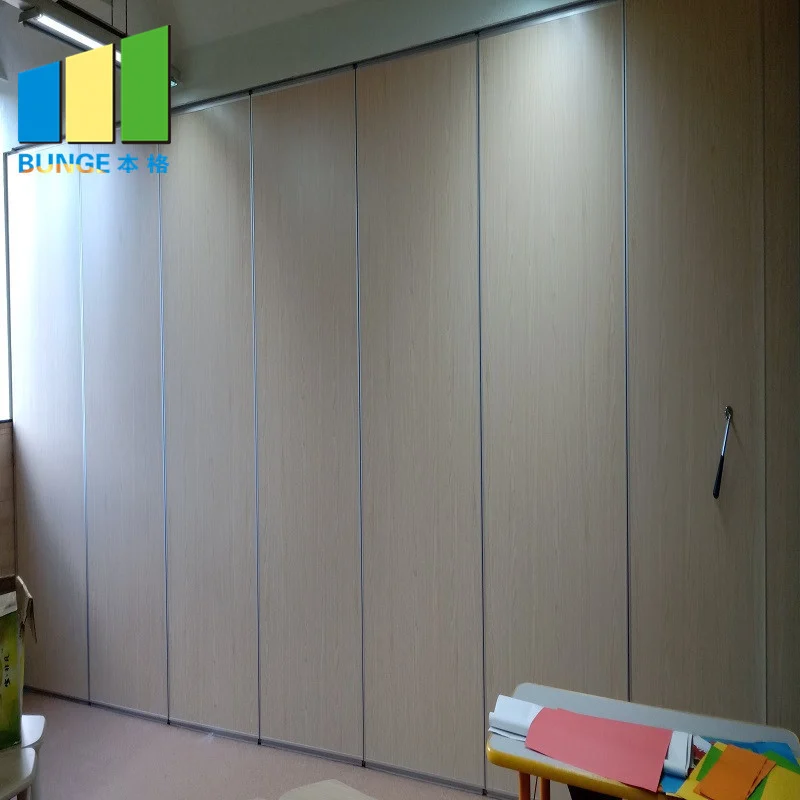
Confirmed finish options include laminate, melamine, fabric, leather, glass and other approved surfaces.
FAQ
What is a movable partition changeover crew dispatch board?
It is an operational planning tool that shows room release status, partition movement sequence and parking positions for movable wall changeovers across a venue.
Does the dispatch board require a floor track?
No. EBUNGE movable partition panels are top-hung and move without a continuous floor running track or floor hardware along the partition line.
Can the board assume a fixed changeover time?
No. Changeover timing depends on the project-specific layout, route and operating context, and should be confirmed rather than assumed.
How should room release signals be recorded?
Use clear states such as in use, releasing, released, in transit, parked and available, and update them as the situation changes.
What should be confirmed before relying on the board?
Confirm project-specific support, acoustic and dimensional requirements, route and parking positions, pass-door requirements and available project documentation.
Where can I review product and planning resources?
Review the movable walls product page and the resources section for maintained public context, then confirm project-specific details directly.
Conclusion and Next Step
A movable partition changeover crew dispatch board works when it stays inside confirmed facts: top-hung panels, clear floor movement, reviewed routes and planned parking. Keep release signals honest, mark open items clearly, and confirm project-specific support, acoustic and dimensional requirements before the board is treated as final.
To discuss pass-door requirements, documentation or layout review for your project, contact the EBUNGE team.