
Quick answer: ambulant route obstruction sweep
Review focus: ambulant route obstruction sweep.
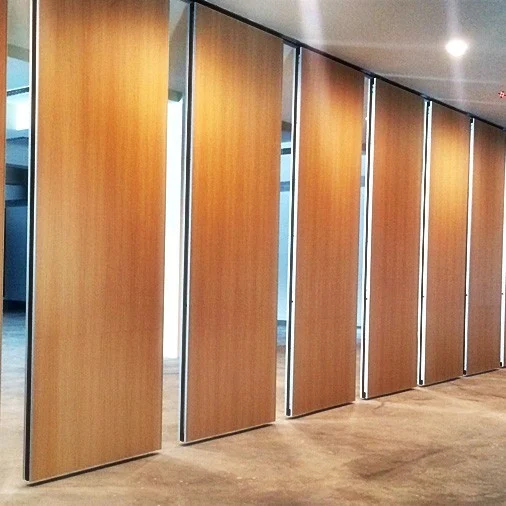
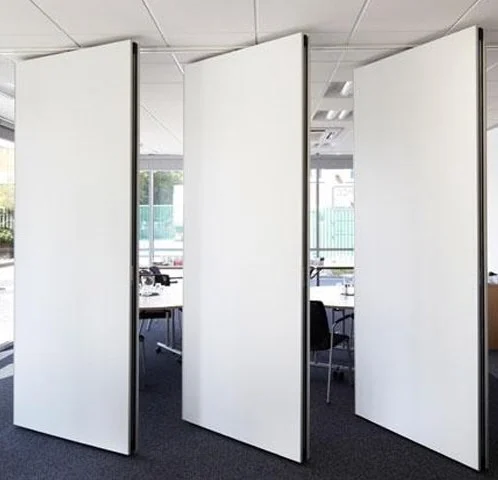
A movable partition changeover ambulant route obstruction sweep is the short, repeatable inspection that happens between the moment panels stop moving and the moment a reconfigured room is released for use. Because EBUNGE movable wall panels are individually movable, suspended from a top track, cross the opening without a floor track and park at a planned stacking position, the route people walk changes with every configuration. The sweep exists to confirm that the route is clear, that parked panels sit where the layout intends, and that any temporary items introduced during the changeover have been removed.
Why the Sweep Belongs in the Changeover Sequence
Project review term: ambulant route obstruction sweep.
Changeovers are operational events, not just product movements. Furniture is shifted, service equipment is rolled through, and panels travel along straight, turning and stacking routes reviewed from the layout. Each of those activities can leave something in an ambulant route: a chair, a cable protector, a trolley, a sign, a waste bin.
The sweep is deliberately placed after panel movement and before release. It does not replace a design-stage accessibility review, and it does not certify the building. It is a local, visible check that the space as handed over matches the circulation assumptions the project team already agreed.
What the Sweep Can and Cannot Confirm
Coordination scope: ambulant route obstruction sweep.
The sweep works on visible evidence. A team member can see whether a route is blocked, whether a parked stack intrudes into a walkway, and whether a pass door leaf swings into a clear path. Those observations are useful and repeatable.
The suitability of each route and parking arrangement depends on the approved layout, circulation, ceiling interfaces and operating sequence. Those are project-specific matters that require their own documentation and review. If a drawing or finish photograph appears to suggest a performance outcome, treat that as a prompt for confirmation, not as evidence.
Evidence note: the sweep records what is visible at handover. It does not create, replace or extend any project-specific support, acoustic or dimensional confirmation.
A Six-Step Reinstatement Sign-Off Process
Checklist focus: ambulant route obstruction sweep.
- Freeze the changeover. Confirm all panel movement has stopped and every panel is at its planned stacking position.
- Walk the primary route. Follow the main ambulant path from entry to exit, noting anything that narrows or interrupts it.
- Walk the secondary routes. Check alternative paths, pass-door approaches and any route that serves an accessible entrance or refuge point.
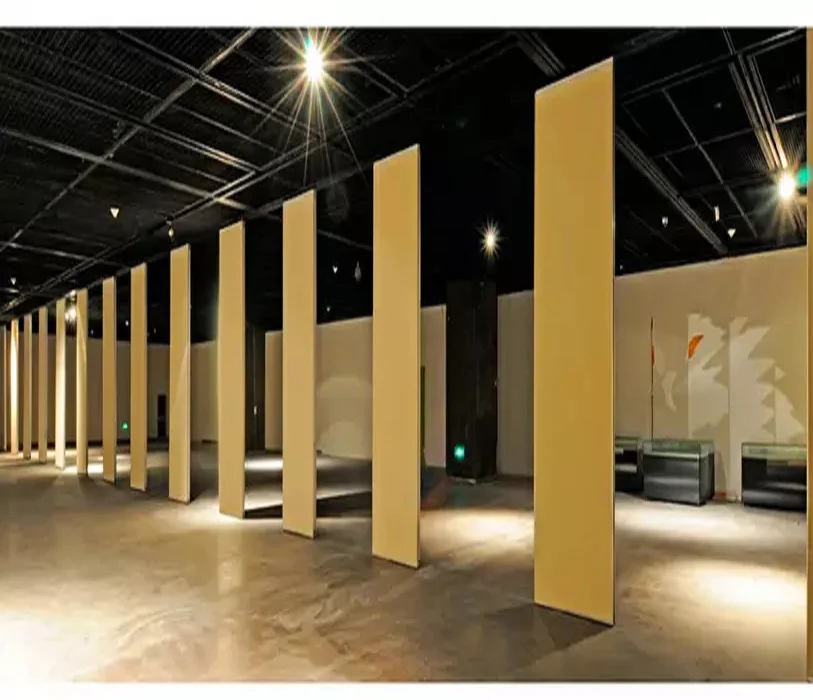
- Check the parking zone. Confirm the parked stack sits within the area the layout reserves for it and does not project into circulation.
- Remove temporary items. Clear changeover equipment, signage, cables and furniture that do not belong in the released configuration.
- Record and release. Note the result, raise any unresolved item, and only then release the space for use.
Route Types to Include in Every Sweep
Not every route is equally obvious. A sweep that only checks the centre of the room will miss the paths that matter most to people with reduced mobility, to trolley users and to anyone entering or leaving during an event.
Primary circulation
The main path between entrances, seating or working areas and the exit. This is usually the first route checked and the easiest to keep clear.
Pass-door approaches
Where a pass door is part of the agreed configuration, the approach on both sides needs to remain usable. Pass-door requirements should be discussed with the supplier during planning so the layout reserves the right space.
Stacking-zone edges
The boundary between the parked panels and the nearest walkway. Even a small projection can change how a route is used, so the edge is worth checking every time.
Decision Checklist for the Person Signing Off
- Is every panel at its planned stacking position rather than left mid-route?
- Is the primary ambulant route continuous from entry to exit?
- Are secondary and accessible routes equally clear?
- Has all changeover equipment been removed from circulation areas?
- Does the parked stack stay within the zone shown on the reviewed layout?
- Are any unresolved items recorded with a named owner before release?
- Is the released configuration the one the project team actually planned?
Coordination Boundaries with the Wider Project Team
The facility team owns the sweep, but it does not own every input. Straight, turning and stacking routes are reviewed from the layout, and that review depends on drawings, room use and furniture plans supplied by others.
Where the layout changes, the sweep criteria may need to change with it. A new seating arrangement, a relocated service counter or a revised pass-door position can all alter what a clear route looks like. Confirm project-specific support, acoustic and dimensional requirements with the relevant parties before treating any earlier assumption as still valid.
Documentation and Handover Records
Project documentation can be discussed with the supplier so that the information needed at handover is identified early. A simple record is usually enough: date, configuration, routes checked, items removed, unresolved issues and the name of the person releasing the space.
Finish choices such as laminate, melamine, fabric, leather, glass and other approved surfaces affect appearance and maintenance planning, but they do not change the sweep logic. The route is either clear or it is not.
Frequently Asked Questions
How often should an ambulant route obstruction sweep be carried out?
After every changeover, before the reconfigured space is released. If a configuration stays in place for a long period, a periodic check is still sensible because furniture and equipment move independently of the panels.
Does the sweep replace an accessibility compliance review?
No. The sweep is a local, visible check at handover. Compliance with any accessibility standard, code or client requirement is a separate project-specific matter that needs its own review and documentation.
What should happen if a route cannot be cleared immediately?
Record the obstruction, keep the space out of use if the route is materially affected, and escalate to the responsible party. Release only when the route has been reinstated or an agreed alternative is in place.
Can the sweep confirm acoustic performance?
No. Visible references can support layout discussion but do not verify hidden construction or performance. Acoustic requirements need project-specific evidence and review.
Who should sign off the reinstated route?
A named person on the facility or operations team who has walked the routes and can confirm the released configuration. The role matters more than the title, and the name should be recorded.
Does the sweep apply outside conference and event spaces?
Yes. Named venues are examples only. The same logic applies wherever flexible spatial division, combination or reconfiguration is required and people need to move through the result.
Conclusion: Make the Sweep a Habit, Not an Exception
The value of the movable partition changeover ambulant route obstruction sweep is that it is short, visible and repeatable. It closes the gap between a completed changeover and a space that is genuinely ready for people. Teams that build it into the changeover sequence protect circulation without adding complexity to the panel system itself.
To review layout routes, finish options and project documentation for your own configuration, contact the EBUNGE team. You can also explore movable wall products and the wider planning resources before your next project meeting.