
Quick answer: movable partition wall
Review focus: movable partition wall.
Movable partition wall tender query cut-off enforcement is the discipline of recording questions that arrive after the stated clarification deadline, deciding whether each one touches priced scope or interface assumptions, and documenting that decision without changing the basis on which bids are compared. For overseas contractors, architects, interior designers, owners and renovation teams, the goal is not to punish late questions. It is to protect the integrity of the comparison while still capturing information that may matter to the project.
Why a Cut-Off Date Exists in a Partition Package
Project review term: movable partition wall.
A tender clarification deadline gives every bidder the same information at the same time. When questions arrive after that date, the reviewer faces a choice: answer privately, answer publicly, or log the question without changing the priced scope. Each choice has consequences for fairness and for the bid comparison basis.
Movable partition packages often involve interfaces with the ceiling structure, the finished floor, adjacent walls, and the planned stacking position. A late question about any of these interfaces can reveal an assumption that was not priced consistently across bidders. The reviewer’s task is to separate a genuine scope gap from a request for extra information that does not change the commercial comparison.
A Logging Framework for Late Bidder Questions
Coordination scope: movable partition wall.
Every late question should enter a single register with a consistent set of fields. This register becomes the audit trail if a bidder later challenges the evaluation or if the project team needs to explain why one answer was issued and another was not.
- Record the receipt time and channel. Note when the question arrived and whether it came through the official clarification route or an informal channel.
- Restate the question in neutral terms. Remove commercial pressure or implied outcomes so the evaluation team can assess the technical content.
- Classify the subject. Mark whether it concerns the partition route, the parking position, a finish option, a pass-door requirement, or project documentation.
- Flag whether it touches priced scope. A question that changes the quantity, route, finish selection, or interface responsibility may affect the priced scope.
- Flag whether it touches an interface assumption. Questions about ceiling support, floor conditions, or adjacent construction may affect how bidders have interpreted their own scope.
- Decide the response category. Choose from: answer to all bidders, answer to the asking bidder only, log without answer, or refer to a post-tender clarification.
- Record the rationale. State why the chosen category protects the comparison basis.
Deciding Whether an Answer Changes the Priced Scope
Checklist focus: movable partition wall.
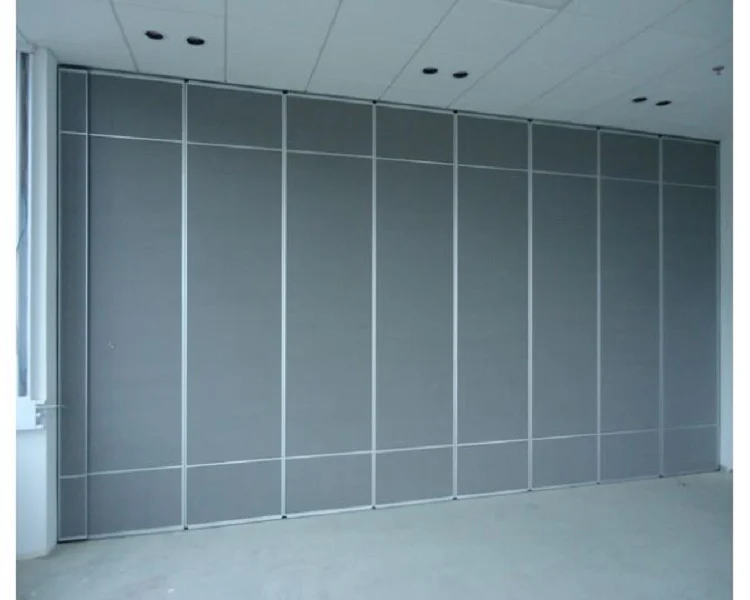
Not every late question requires a scope change. The reviewer should ask whether the answer would cause a reasonable bidder to revise a price, a programme assumption, or a technical approach. If the answer only confirms information already in the tender documents, it can be logged without altering the comparison.
If the answer introduces new information that affects the partition layout, the stacking arrangement, or the finish specification, the reviewer should consider whether all bidders need the same information. Issuing an answer to one bidder only can create an uneven comparison basis.
Scope-Touching Versus Non-Scope-Touching Questions
| Question type | Likely effect on priced scope | Suggested handling |
|---|---|---|
| Confirmation of an existing drawing dimension | None | Log and answer if consistent with documents |
| Request for an additional finish option | Possible | Assess whether all bidders priced the same finish basis |
| Question about ceiling support conditions | Possible | Check whether the tender documents define the support interface |
| Request for a pass-door in a specific panel | Possible | Confirm whether pass-door requirements were part of the priced scope |
| Question about stacking position clearance | Possible | Review the layout and parking route assumptions |
Documenting the Decision Without Altering the Comparison Basis
The decision record should be short, factual, and consistent across all late questions. It should state the question, the classification, the response category, and the reason. It should not introduce new performance claims or commercial promises.
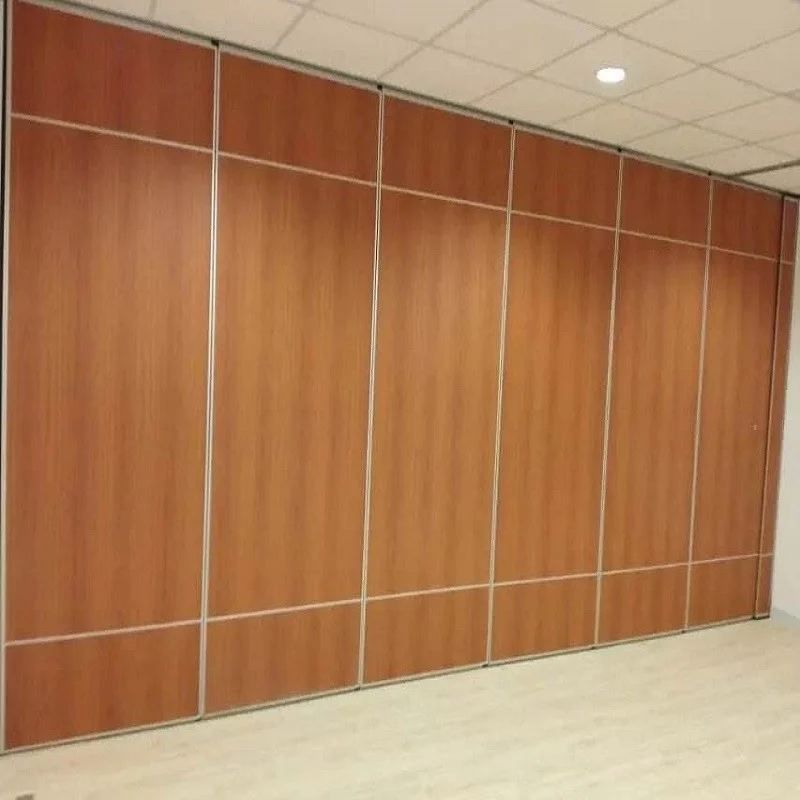
Where the answer requires project-specific confirmation, the record should say so. For example, support conditions, acoustic requirements, and dimensional coordination are project-specific and should be confirmed against the actual drawings and site conditions. The reviewer should not treat a generic product description as evidence of a project-specific outcome.
Evidence Note: What the Tender Documents Can and Cannot Show
A tender drawing can show a proposed partition route, a parking position, and a finish schedule. It cannot, by itself, confirm structural support capacity, acoustic performance, or dimensional fit without project-specific review. Late questions that ask for those confirmations should be logged as requiring separate evidence.
Coordinating with the Project Team Before Responding
Before issuing any answer that may touch priced scope, the procurement reviewer should coordinate with the design lead and the commercial lead. The design lead can confirm whether the question affects the layout, the route, or the interface assumptions. The commercial lead can confirm whether the answer would change the basis on which bids were invited.
The exact route, junction arrangement, continuous overhead path and parking position must be confirmed from the coordinated project drawings. If a late question reveals that a route was not clearly defined, the team should decide whether to clarify the documents for all bidders or to treat the matter as a post-tender item.
Common Pitfalls in Late Query Handling
- Answering privately without logging. This creates an uneven record and can disadvantage bidders who followed the deadline.
- Treating every late question as a scope change. Some questions only seek confirmation of existing information.
- Ignoring interface questions. Ceiling support, floor conditions, and adjacent construction can affect how bidders interpret their own scope.
- Using generic product statements as project evidence. The suitability of each route and parking arrangement depends on the approved layout, circulation, ceiling interfaces and operating sequence.
- Failing to record the rationale. Without a written reason, the decision is difficult to defend later.
Frequently Asked Questions
What is movable partition wall tender query cut-off enforcement?
It is the process of recording bidder questions received after the stated clarification deadline, assessing whether each question affects the priced scope or interface assumptions, and documenting the decision without changing the bid comparison basis.
Should a late question ever be answered?
Yes, in some cases. If the answer only confirms information already in the tender documents, it can be logged and answered. If it introduces new scope information, the reviewer should consider whether all bidders need the same information to keep the comparison fair.
How do I know if a late question changes the priced scope?
Ask whether the answer would cause a reasonable bidder to revise a price, a programme assumption, or a technical approach. Questions about quantity, route, finish selection, pass-door requirements, or interface responsibility are more likely to touch priced scope.
What should the decision record contain?
The record should state the question, the classification, the response category, and the rationale. It should avoid new performance claims and should note where project-specific confirmation is required.
Can a late question about acoustic performance be answered from the tender documents?
Provide the current layout, opening dimensions, ceiling information, intended room use, and relevant project drawings for review. The exact overhead route and support arrangement must be confirmed by the responsible project team from coordinated drawings.
How does this apply to movable partition wall tender query cut-off enforcement project planning?
The same logging framework applies at any stage. During project planning, the team should define the clarification deadline, the official question channel, and the review responsibilities before the tender is issued.
Conclusion and Next Steps
Movable partition wall tender query cut-off enforcement is a documentation discipline. It protects the bid comparison basis while allowing the project team to capture information that may matter later. The reviewer’s tools are a consistent register, a clear classification method, and a written rationale for each decision.
For product information, review the movable wall systems page. For broader planning guidance, see the resources section. To discuss pass-door requirements, project documentation, or a specific tender query process, contact the EBUNGE team.