
Quick answer: closeout record query response drill
Review focus: closeout record query response drill.
A movable partition wall closeout record query response drill is a planned rehearsal of the questions a facility team will ask after handover and of the route those answers must travel. It tests whether drawings, schedules, finish approvals and coordination notes can be located and returned within an agreed response window. The drill does not test the partition itself. It tests the documentation system that surrounds it.
For overseas contractors, architects, interior designers, owners and renovation teams, the risk is rarely a missing folder. It is a record that exists somewhere but cannot be retrieved by the person who needs it. This framework keeps every recommendation tied to maintained product facts, visible evidence limits and project-specific drawing review.
Why a Retrieval Drill Belongs in Handover Planning
Project review term: closeout record query response drill.
Handover is often treated as a delivery milestone. In practice it is the start of an operational relationship. Facility teams begin asking about stacking positions, route drawings, finish references and pass-door arrangements. If those answers depend on one person’s inbox, response quality becomes unpredictable.
A retrieval drill converts assumptions into observable steps. Panel handling and the operating sequence must be confirmed for the selected layout and project conditions. The output is not a performance claim about the partition. It is evidence about the documentation process.
What the drill can and cannot prove
The drill can prove that a named record was located and returned inside the agreed window. The suitability of each route and parking arrangement depends on the approved layout, circulation, ceiling interfaces and operating sequence. Those subjects require project-specific confirmation and matching evidence, not a successful file search.
Define the Query Set Before the Drill
Coordination scope: closeout record query response drill.
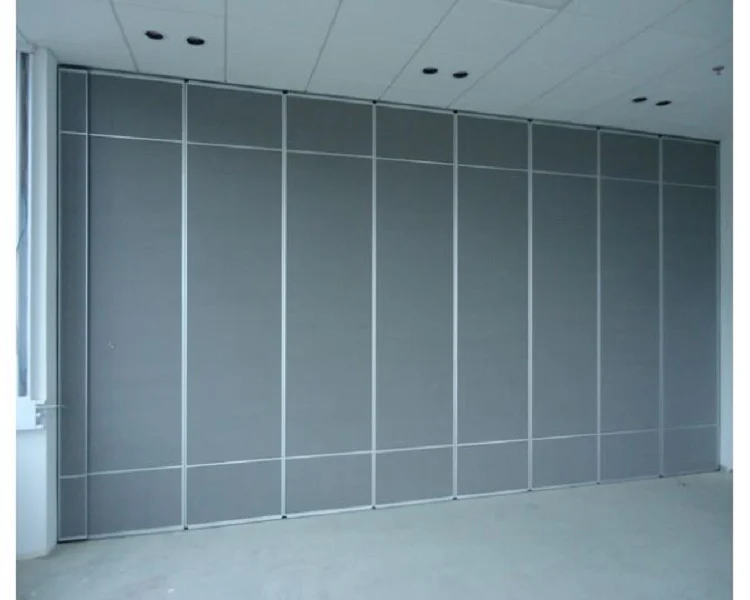
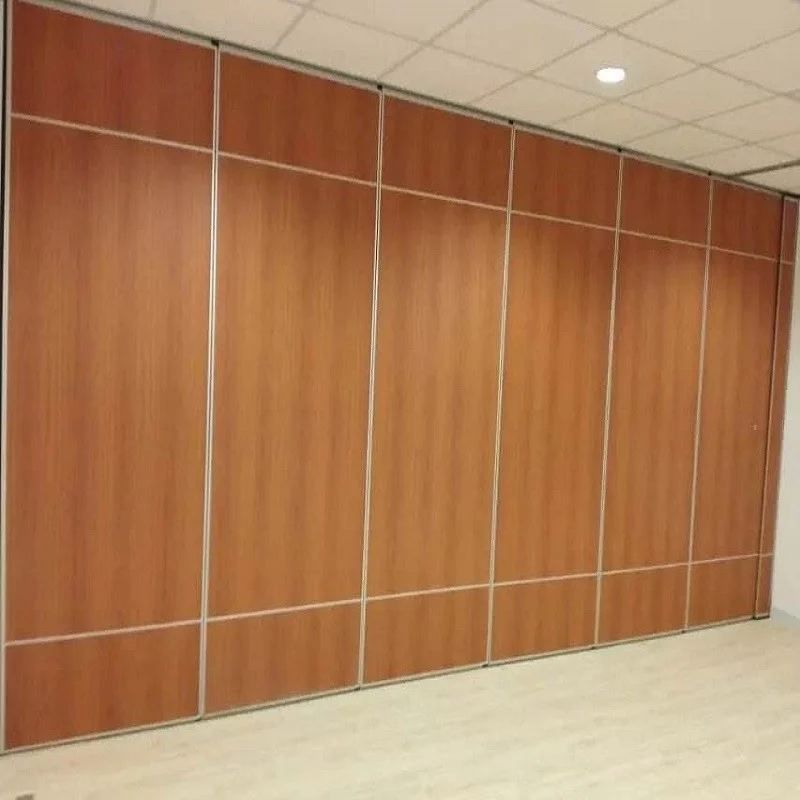
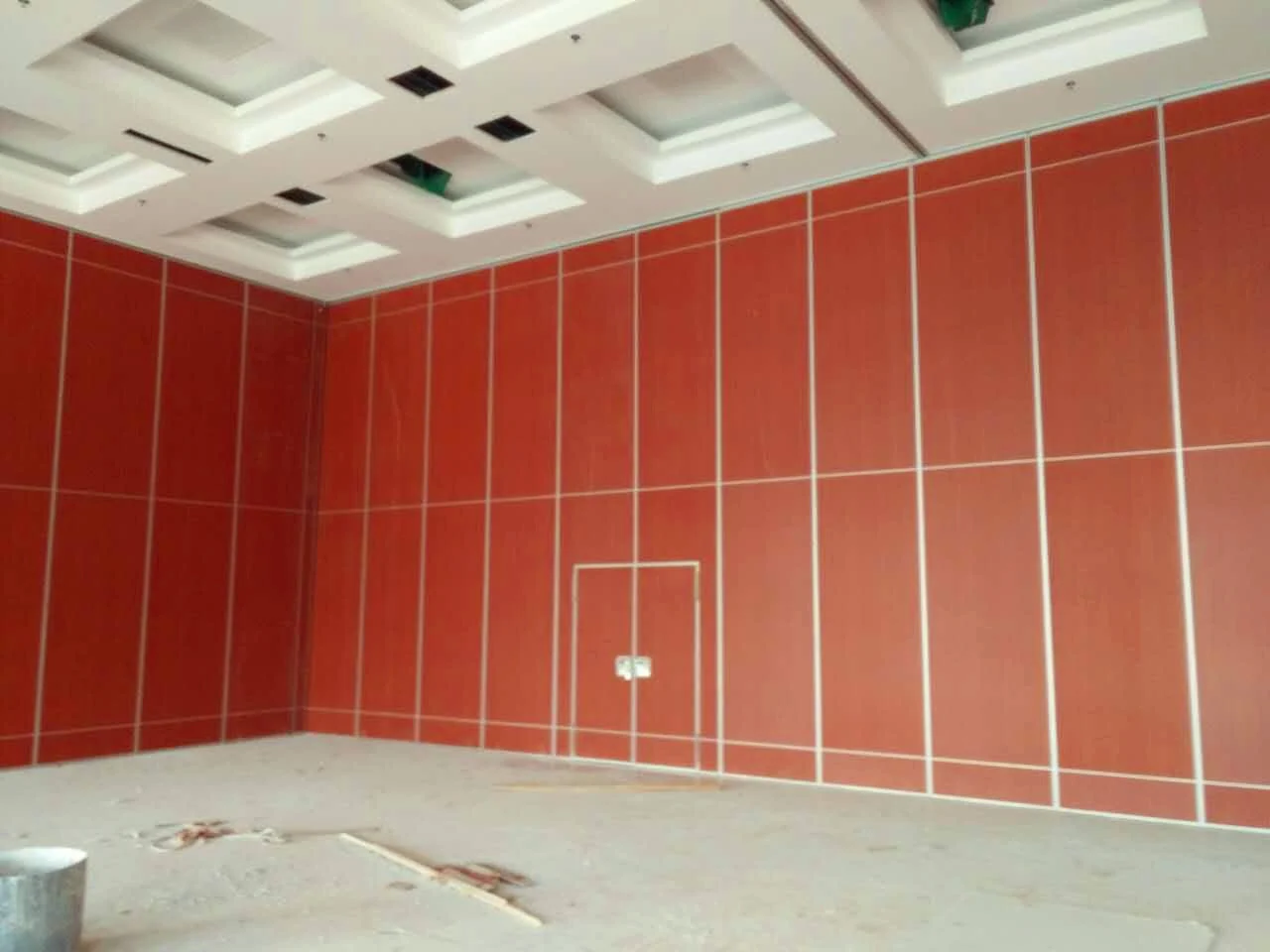
Start by listing the operational questions the facility team is most likely to raise. Keep the list grounded in the maintained product context: panels are individually movable, suspended from a top track, cross the opening without a floor track and park at a planned stacking position. Straight, turning and stacking routes are reviewed from the layout.
Each query should map to a record type. A question about the parking position maps to a layout drawing. A question about a finish maps to an approved finish schedule. A question about a pass door maps to the coordinated door requirement. The drill then measures retrieval, not opinion.
Starter query categories
- Layout and route: where the panels travel, turn and park.
- Finish approvals: laminate, melamine, fabric, leather, glass and other approved surfaces.
- Pass-door coordination: agreed requirements and their recorded status.
- The exact route, junction arrangement, continuous overhead path and parking position must be confirmed from the coordinated project drawings.
Build the Record Map and Ownership Table
Checklist focus: closeout record query response drill.
A record map lists every closeout document, its location, its owner and its latest revision. Ownership matters because a drill without a responsible person becomes a search party. Assign a primary owner and a named deputy for each record family so that absence does not stop retrieval.
Keep the map short enough to be used. Confirm that file names match the language and terminology the facility team actually uses.
Compact ownership example
| Record family | Typical owner | Retrieval check |
|---|---|---|
| Layout and stacking drawings | Design coordinator | Latest revision located by room name |
| Finish approvals | Interior design lead | Approved surface schedule matched to room |
| Pass-door coordination | Project manager | Requirement and status traceable |
| Support review notes | Engineering liaison | Project-specific confirmation referenced |
Run the Drill Within an Agreed Response Window
Agree the response window before the drill begins. The window should reflect the operational urgency of the query, not an arbitrary target.
Run the drill with the people who will actually answer queries, not only the people who wrote the documents. Record the time each query is raised, the time the record is returned and any point where the chain broke.
Numbered drill sequence
- Issue the query set to the facility team without prior coaching.
- Log the timestamp when each query is raised.
- Observe retrieval without stepping in to help.
- Record the timestamp when the record is returned.
- Note every broken link, outdated revision or unclear owner.
- Debrief within the same working week.
- Correct the record map and repeat the failed queries.
Interpret Results Without Overclaiming
A fast retrieval is evidence of a working documentation path. It is not evidence of partition performance. Keep the interpretation narrow.
Where a query cannot be answered from existing records, mark it as requiring project-specific confirmation. This is a legitimate outcome.
Evidence note: a retrieved document proves the document exists and was found. It does not prove acoustic, structural, fire, durability or maintenance performance unless that specific evidence is present and applicable to the project.
Close the Gaps and Rehearse Again
Every drill should end with a short correction list. Typical corrections include renaming files, adding a deputy owner, updating a revision reference or clarifying which queries require project-specific confirmation. Assign each correction to a person and a date.
Repeat the drill after corrections. A second pass confirms that the fix works and that the facility team can retrieve records without the original project team present. This is the point of the exercise: independence after handover.
For product context, review the movable wall systems page. For broader planning material, see the resources library. To discuss pass-door requirements and project documentation, contact the team.
Frequently Asked Questions
What is a movable partition wall closeout record query response drill?
It is a rehearsal in which a facility team raises realistic operational queries after handover and the project team measures whether the supporting closeout records can be located and returned within an agreed response window.
Which records should be included in the drill?
Include layout and stacking drawings, finish approvals, pass-door coordination notes and support review references. The exact set depends on the project and should be confirmed against the project-specific documentation scope.
Does a successful drill prove acoustic performance?
No. A drill tests documentation retrieval.
How long should the response window be?
The window is agreed by the project and facility teams and should reflect operational urgency. It is a coordination decision, not a product specification.
Can the drill be run before practical completion?
Yes, a dry run before completion can expose naming and ownership gaps early. Confirm the final record set and revision status with the project team before treating any result as final.
What should happen when a query cannot be answered?
Mark it as requiring project-specific confirmation, assign an owner and a correction date, then repeat that query in the next drill. An unresolved query is useful information, not a failure.
Conclusion
A closeout record query response drill turns handover documentation into a tested operational capability. It keeps the focus on retrieval, ownership and revision control while respecting the limits of what documents can prove. Confirm project-specific support, acoustic and dimensional requirements with the relevant project team before relying on any record.
To plan a drill around your layout, finish schedule and pass-door requirements, contact EBUNGE and share the project documentation scope for review.