
Quick answer: changeover sequence interruption recovery
Review focus: changeover sequence interruption recovery.
Movable partition changeover sequence interruption recovery is the operational discipline of restoring a partially completed room reconfiguration when a release slips or a step stops mid-sequence. Because EBUNGE movable wall panels are individually movable, suspended from a top track, cross the opening without a floor track, and park at a planned stacking position, the recovery plan must protect the overhead route and the parking zone rather than improvise a new path. This article offers an evidence-bounded framework for facility teams, contractors and designers who must re-plan room release without inventing performance, support or commercial outcomes.
Why Interruptions Happen and What They Expose
Project review term: changeover sequence interruption recovery.
An interruption is rarely a single failure. It is usually a collision between a room release that did not happen on time and a changeover sequence that assumed it would. The visible symptom is a panel set left between the opening and the stacking position. The operational exposure is that the next event, cleaning cycle or inspection cannot start on the assumed schedule.
Treat the interruption as a planning signal, not a product verdict. The maintained product facts describe movement and parking logic; they do not describe how a specific building will recover a delayed release. The exact route, junction arrangement, continuous overhead path and parking position must be confirmed from the coordinated project drawings.
Map the Interrupted State Before Re-Planning
Coordination scope: changeover sequence interruption recovery.
Recovery begins with an accurate picture of where the sequence stopped. A team that re-plans from memory usually creates a second interruption. Walk the route and record the actual condition of the opening, the overhead route and the parking zone.
What to Record
- Which panels have moved and which remain in the opening.
- Whether the overhead route is continuous and connected for every proposed movement.
- Whether the planned stacking position is clear and reachable.
- Which room release is delayed and which downstream booking depends on it.
- Which finish surfaces are exposed and need protection during the pause.
This record is a coordination document, not a performance statement. It should be shared with the parties who control the release, the route and the stacking area.
Re-Plan Room Release in Priority Order
Checklist focus: changeover sequence interruption recovery.
When two rooms compete for the same changeover, the recovery plan must decide which release is protected first. Base that decision on the event that cannot move, not on the room that is easiest to reconfigure.
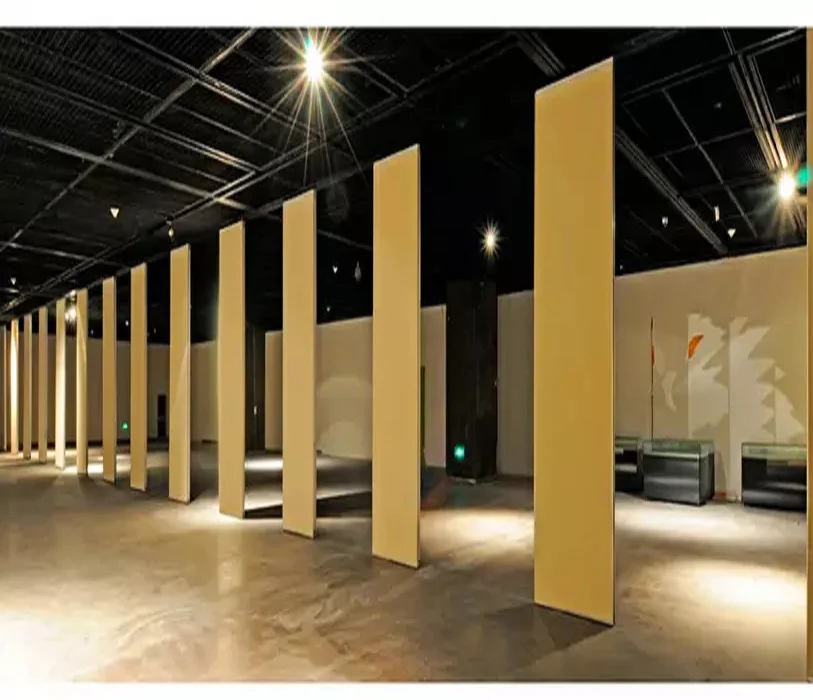
A Simple Release Priority Sequence
- Identify the fixed commitment that cannot be relocated.
- Confirm whether the interrupted opening can remain partially configured without blocking egress or access.
- Confirm whether the parking position can accept the remaining panels.
- Confirm whether the overhead route supports the revised movement order.
- Publish the revised release times to all affected teams.
Each step depends on project-specific confirmation. A route that looks clear on a plan may still require support review before it is used.
Protect the Overhead Route and Stacking Position
Review focus: changeover sequence interruption recovery.
The top-hung, floor-track-free logic is the anchor of any recovery plan. Panels move along a continuous connected overhead route and park at a planned stacking position.
Evidence note: the maintained facts describe top-hung movement, clear floor crossing and customized parking. They do not establish support capacity, acoustic outcome or dimensional fit for a specific opening. Those items require project-specific review.
If the original stacking position is blocked, the recovery question is whether another coordinated position exists in the layout. If it does not, the sequence should pause rather than improvise a new parking area.
Coordinate Finishes, Seals and Acoustic Expectations
Confirmed finish options include laminate, melamine, fabric, leather, glass and other approved surfaces. During an interruption, exposed finishes may need temporary protection, and the recovery plan should say who is responsible for that protection.
The suitability of each route and parking arrangement depends on the approved layout, circulation, ceiling interfaces and operating sequence. Confirm the project-specific acoustic requirement with the responsible acoustic consultant and the coordinated documentation.
Documentation and Handover After Recovery
Once the sequence is restored, the team should record what changed. A short recovery log helps the next changeover avoid the same interruption.
Recovery Log Checklist
- Original sequence step where the interruption occurred.
- Revised release times and the reason for the change.
- Route and stacking position actually used.
- Finish protection applied and removed.
- Open items requiring project-specific confirmation.
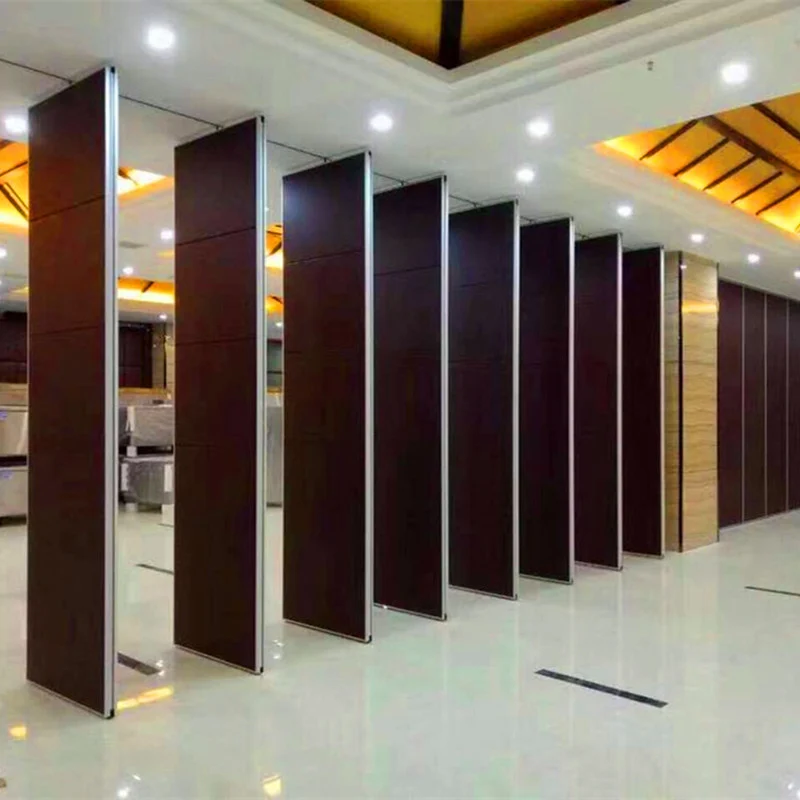
Pass-door requirements and project documentation can be discussed with the supplier so that the recovery log aligns with the coordinated drawings. For broader planning references, see the EBUNGE resources page and the movable walls product page.
Evidence Boundaries for Recovery Decisions
Recovery planning is most useful when it separates what is known from what must be confirmed. The table below shows the boundary.
| Decision area | Maintained fact | Requires project-specific confirmation |
|---|---|---|
| Movement path | Top-hung panels cross the opening without a floor track | Continuous connected overhead route and support review |
| Parking | Parking style is customized to the layout | Stacking position, clearance and access |
| Finishes | Laminate, melamine, fabric, leather, glass and approved surfaces | Cleaning compatibility and protection method |
| Acoustics | Sealing concepts and STC/Rw as descriptors | Project acoustic requirement and verification |
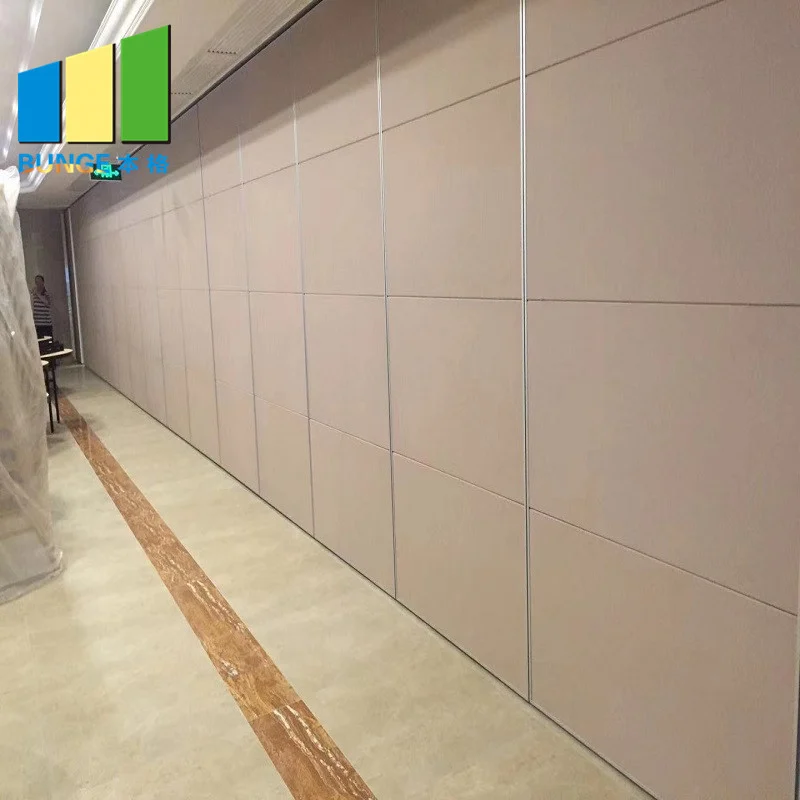
Visible references can support layout discussion but do not verify hidden construction or performance.
Frequently Asked Questions
What is movable partition changeover sequence interruption recovery?
It is the operational process of restoring a partially completed room reconfiguration after a release delay or a mid-sequence stop, while keeping the overhead route and stacking position within the coordinated layout.
Can a recovery plan change the parking position?
Only if the coordinated layout provides another planned stacking position. Parking is customized to the project layout, so a new position requires drawing review and project-specific confirmation.
Do movable partitions need a floor track for recovery movement?
No. EBUNGE movable wall panels are top-hung and cross the opening without a floor track. Every proposed movement path still requires a continuous connected overhead route and support review.
How should acoustic expectations be handled during recovery?
Confirm the project-specific acoustic requirement with the responsible consultant and the coordinated documentation.
What documentation should be updated after an interruption?
Update the recovery log, release times, route used, finish protection and any open items. Pass-door requirements and project documentation can be discussed with the supplier.
Who should confirm support and dimensional requirements?
Provide the current layout, opening dimensions, ceiling information, intended room use, and relevant project drawings for review. The exact overhead route and support arrangement must be confirmed by the responsible project team from coordinated drawings.
Conclusion and Next Step
A changeover interruption is manageable when the recovery plan stays inside the maintained facts: top-hung movement, clear floor crossing, a continuous connected overhead route and a planned stacking position. Re-plan room release in priority order, protect the route and parking zone, and document every open item for project-specific confirmation.
To discuss pass-door requirements, finish options or project documentation for your layout, contact the EBUNGE team with your coordinated drawings.